
A Waymo Driverless Car Hit A Child, And Now The NHTSA Is Involved
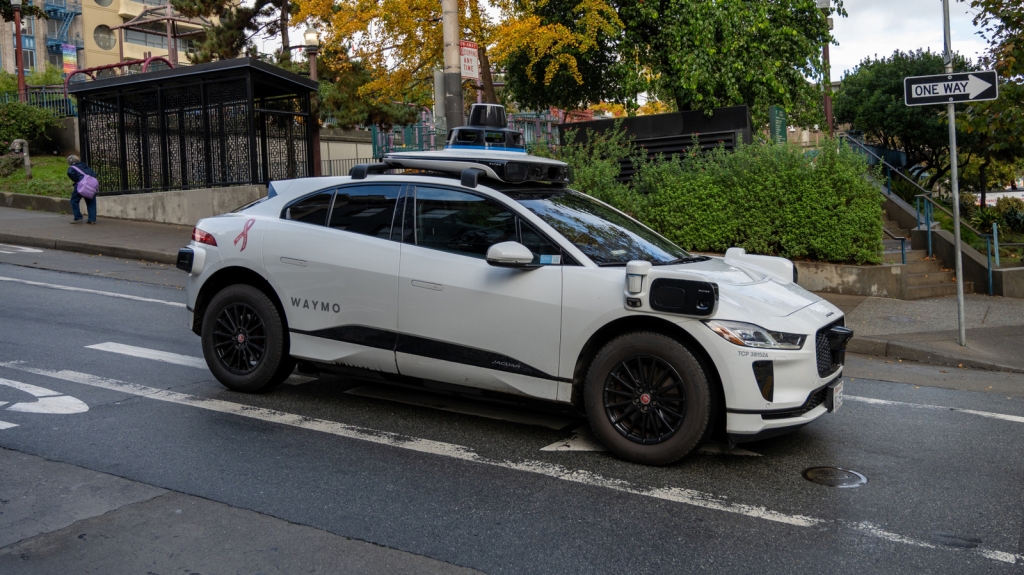
Waymo’s Autonomous Car Hits Child, NHTSA Launches Investigation
In a shocking incident that has reignited the debate over driverless vehicle safety, a Waymo robotaxi struck a child near an elementary school in Santa Monica, California, prompting a full investigation by the National Highway Traffic Safety Administration (NHTSA).
The incident occurred on January 23, 2026, when a child ran past a double-parked SUV and into the street, directly into the path of the approaching Waymo vehicle. While the child reportedly suffered only minor injuries, the event has raised serious questions about the capabilities of autonomous driving systems in unpredictable urban environments.
The Incident: What We Know So Far
According to the NHTSA’s Office of Defects Investigation (ODI), the incident took place within two blocks of an elementary school. The area had a designated crosswalk with a crossing guard present, and other children were seen walking to and from school. However, the child who was struck was not using the crosswalk and was running independently across the street.
Making the situation even more hazardous, the child was crossing behind a double-parked SUV that significantly obstructed visibility for any approaching vehicle. The Waymo robotaxi was operating in fully autonomous mode without any human oversight inside the vehicle, utilizing Waymo’s 5th Generation Automated Driving System.
This advanced system, which has been in use since 2020, provides the vehicle with comprehensive 360-degree visual capabilities. The system includes radar sensors positioned on the front bumper, hood, back bumper, near the taillights, and two different camera systems mounted on top of the vehicle. Waymo has consistently maintained that its technology can make streets safer by eliminating human error and reckless driving behaviors.
The Investigation: NHTSA’s Focus
The NHTSA’s investigation is examining several critical factors to determine whether Waymo bears responsibility for the incident. Key areas of focus include:
- Whether the Waymo vehicle was adhering to all applicable traffic laws and posted speed limits
- Whether the vehicle demonstrated appropriate caution given the school zone environment
- Whether a human driver in the same situation would have reacted differently
- Whether the autonomous system’s sensors and algorithms failed to detect the child in time
The investigation will likely analyze the vehicle’s sensor data, including camera footage and radar readings, to reconstruct the exact sequence of events leading up to the collision.
The Safety Debate: Reopening Old Questions
This incident has effectively reopened the contentious debate about the safety of driverless cars, particularly in environments where children are present. Children are known to behave unpredictably near roads, and drivers are generally expected to exercise extra caution in school zones.
The central question being asked is whether an autonomous system can match or exceed human judgment in such complex scenarios. A human driver would typically be aware of the need to watch for children behaving unexpectedly near streets and would recognize that a double-parked vehicle creates additional visibility challenges, prompting them to slow down or proceed with heightened caution.
However, the situation also raises questions about shared responsibility. The child was not using the designated crosswalk, and the double-parked SUV—which is illegal in California—significantly contributed to the dangerous conditions. This illegal parking obstructed both the road and the visual range of other drivers and pedestrians.
Waymo’s Position and Industry Implications
Waymo has positioned itself as a leader in autonomous vehicle technology, expanding its robotaxi services to major cities across the United States. The company has consistently argued that its systems can reduce accidents caused by human error, distracted driving, and reckless behavior.
This incident, however, presents a significant challenge to that narrative. If the investigation determines that the Waymo vehicle failed to exercise appropriate caution or that its detection systems were inadequate for the scenario, it could have far-reaching implications for the autonomous vehicle industry.
The outcome of this investigation could influence regulatory approaches to driverless vehicles, potentially leading to stricter requirements for autonomous systems operating in sensitive areas like school zones. It may also affect public perception and acceptance of driverless technology, which has already faced skepticism from some safety advocates and segments of the general public.
The Double-Parked SUV Factor
An intriguing aspect of this incident is the role played by the double-parked SUV. This illegal parking maneuver not only violated California traffic laws but also created a blind spot that may have contributed to the collision. The question arises: would the Waymo vehicle have detected and avoided the child if the SUV had not been illegally parked?
This introduces a complex legal and ethical dimension to the investigation. While Waymo’s technology is expected to handle common road scenarios, the presence of illegally parked vehicles creating dangerous conditions adds another layer of complexity to determining fault.
Looking Ahead: Industry and Regulatory Impact
As the NHTSA investigation continues, the autonomous vehicle industry will be watching closely. The findings could set precedents for how liability is determined in accidents involving driverless vehicles, particularly in scenarios involving vulnerable road users like children.
The incident also highlights the ongoing challenge of developing autonomous systems that can handle the full complexity of real-world driving environments, where unpredictable human behavior, illegal parking, and other variables create constantly changing conditions.
For now, the incident serves as a sobering reminder that despite significant technological advances, autonomous vehicles still face substantial challenges in ensuring safety across all driving scenarios. As Waymo and other companies continue to expand their driverless services, incidents like this will likely continue to fuel debate about the readiness and safety of autonomous vehicle technology for widespread deployment.
Tags: Waymo, driverless car, autonomous vehicle, NHTSA, child safety, robotaxi, artificial intelligence, self-driving car accident, Santa Monica, school zone safety, traffic safety, automotive technology, robotaxi incident, autonomous driving system, vehicle safety investigation, driverless technology controversy
Viral Sentences:
- “A Waymo robotaxi struck a child, and now the NHTSA is involved”
- “Driverless car hits child near elementary school”
- “Waymo’s 5th Generation Automated Driving System under scrutiny”
- “Can AI-driven cars truly match human judgment in unpredictable situations?”
- “The double-parked SUV that changed everything”
- “Waymo incident reopens debate on autonomous vehicle safety”
- “Child runs into street, collides with driverless car”
- “NHTSA investigation could reshape future of autonomous vehicles”
- “Waymo’s expansion hits a roadblock”
- “When technology meets human unpredictability on the roads”
,


Leave a Reply
Want to join the discussion?Feel free to contribute!