
I found an Android phone that beats the iPhone 17 Pro in video
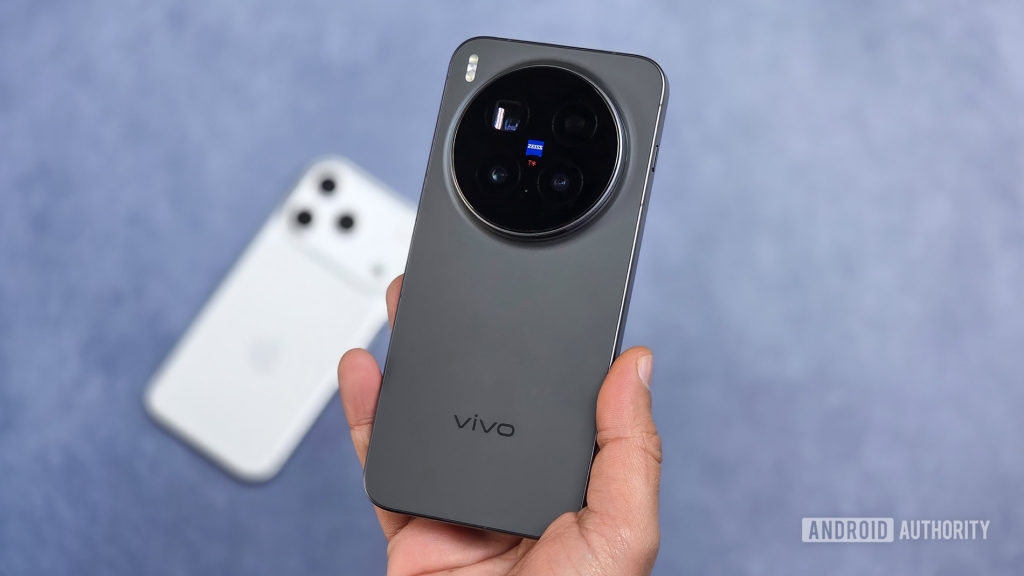
vivo X300 Pro vs iPhone 17 Pro: The Camera Showdown That Could Shake Apple’s Video Throne
For years, the iPhone has reigned supreme in smartphone video recording, setting the gold standard that Android flagships have struggled to match. But with Chinese manufacturers pushing the boundaries of premium smartphone technology, a new challenger has emerged that might finally dethrone Apple’s video king: the vivo X300 Pro.
The Battle of the Camera Giants
What makes this comparison particularly intriguing is how closely matched these two devices are on paper. Both the vivo X300 Pro and iPhone 17 Pro feature a 1/1.28-inch primary camera sensor capable of shooting at 24mm equivalent focal length. They both support 4K video recording at up to 120fps in standard modes, creating the perfect foundation for a head-to-head battle.
However, vivo brings some unique advantages to the table: ZEISS-designed lenses with anti-reflection coating, a custom “V3+” co-processor specifically optimized for video processing, and enhanced portrait video capabilities that could give it the edge Apple has long maintained.
Daylight Dominance: vivo Takes an Early Lead
The first test revealed something remarkable. When shooting cinematic portrait videos in daylight conditions—specifically against a backdrop of mustard bushes in rural Rajasthan—the vivo X300 Pro immediately distinguished itself with superior contrast and sharpness.
While both phones excelled at subject-background separation, the iPhone’s approach of smoothing out subject contrast to make bokeh appear more natural actually worked against it in this scenario, producing a video that looked dull and unappealing compared to the vivo’s vibrant output.
The Low-Light Challenge
The tables turned dramatically in low-light conditions. During dusk and indoor alleyway shots, the iPhone 17 Pro consistently outperformed the vivo X300 Pro. The iPhone captured more detail in subjects’ faces and managed better background blur, even with the shorter focal-length lenses both devices employed.
This advantage became even more pronounced when HDR was introduced. The iPhone’s HDR implementation, tied directly to video settings, gave it a significant edge over vivo’s automatic HDR system, which sometimes failed to engage when needed most.
Where vivo Strikes Back
Despite the low-light challenges, the vivo X300 Pro mounted an impressive comeback through two critical features:
Frame Rate Freedom: The ability to shoot cinematic videos at 60fps versus the iPhone’s 24fps or 30fps options made a dramatic difference in motion smoothness. When directly compared, the 60fps vivo footage felt noticeably more fluid and natural.
Telephoto Portrait Power: Perhaps the most significant advantage came from vivo’s support for portrait video using its 3.5x (85mm equivalent) telephoto lens. The iPhone was limited to 2x digital zoom for Cinematic mode—a baffling limitation given its superior R&D capabilities and new 4x telephoto camera.
The 200MP telephoto sensor in the vivo X300 Pro not only outresolves the iPhone’s 48MP sensor but also captures more light thanks to its larger size, resulting in more natural-looking bokeh and superior subject isolation.
Regular Video Mode: A Photo Finish
When it came to standard 4K 120fps recording, the competition reached a near stalemate. Both devices produced comparable results, with the iPhone offering warmer, more stylized colors while the vivo delivered sharper detail. The choice between them became largely subjective, depending on whether users preferred the iPhone’s cinematic warmth or the vivo’s crisp clarity.
The Feature Advantage That Seals the Deal
What ultimately tipped the scales in vivo’s favor wasn’t just hardware—it was the extensive post-processing capabilities that came standard:
The X300 Pro offered ZEISS-inspired LUTs (Look-Up Tables) with over a dozen preset color filters, plus the ability to remove or adjust these filters after recording—something the iPhone couldn’t match without third-party apps.
The dedicated portrait video editor allowed users to:
- Select different focus subjects within the frame
- Adjust bokeh intensity independently of focus
- Apply different LUT intensities to background and subject separately
- Completely remove applied filters if desired
These features alone would typically require additional software purchases on the iPhone ecosystem, giving vivo a significant value proposition.
The Verdict: Apple’s Crown Shows Cracks
The vivo X300 Pro has proven itself more than capable of challenging Apple’s video supremacy. In optimal lighting conditions, it actually surpasses the iPhone 17 Pro with better color vibrancy, sharper detail, and more versatile shooting options. Even in low light, where it falls short, the gap isn’t insurmountable—especially considering the extensive editing capabilities that can compensate for hardware limitations.
For content creators and video enthusiasts, particularly those in APAC and EMEA regions where the vivo X300 Pro is readily available, this device represents a compelling alternative to the iPhone’s video dominance. The combination of superior telephoto portrait capabilities, 60fps cinematic recording, and extensive built-in editing tools makes it a serious contender for anyone serious about mobile videography.
Apple’s video throne isn’t completely toppled yet, but it’s certainly showing cracks. As Android manufacturers continue to innovate and close the gap, the question isn’t whether they can match Apple anymore—it’s whether they can surpass it, and the vivo X300 Pro proves that day might be closer than we think.
Tags: #vivoX300Pro #iPhone17Pro #SmartphoneVideo #CameraComparison #ZEISS #MobileVideography #TechBattle #AndroidVsIOS #CinematicVideo #PortraitMode #LowLightPhotography #TechReview #SmartphoneCamera #VideoRecording #TechNews
Viral Phrases: “Apple’s video crown is cracking,” “vivo X300 Pro challenges iPhone dominance,” “the telephoto advantage that changes everything,” “60fps cinematic mode beats Apple at its own game,” “built-in editing features that cost extra on iPhone,” “the camera showdown that shook the tech world,” “why Android might finally beat Apple at video,” “the features Apple forgot to include,” “smartphone video war heats up,” “vivo’s secret weapon against iPhone,” “the low-light battle that surprised everyone,” “portrait video like never before,” “tech giants face off in camera arena,” “the phone that could dethrone iPhone,” “video quality that rivals professional cameras”
,


Leave a Reply
Want to join the discussion?Feel free to contribute!