
The Critical Difference Between ‘Maintenance Required’ And ‘Check Engine’ Lights
The Critical Difference Between ‘Maintenance Required’ and ‘Check Engine’ Lights
Monday Morning Meltdown: When Dashboard Lights Ruin Your Day
Picture this: You’re sipping your perfectly brewed coffee, mentally preparing for the weekly grind, and you hop into your car ready to conquer Monday. But then—there it is. That dreaded orange glow staring back at you from your dashboard. Your heart sinks. Is it the “Maintenance Required” light? The “Check Engine” light? Or something worse?
Before you spiral into panic mode or start frantically flipping through that phonebook-sized owner’s manual, let’s break down what these critical dashboard warnings actually mean—and why confusing them could cost you big time.
The Simple Science Behind Dashboard Communication
Dashboard warning lights exist for one purpose: to quickly and clearly communicate vital information to drivers without requiring a PhD in automotive engineering. Some symbols are brilliantly intuitive—the little oil can icon screams “oil pressure issue,” and the battery symbol practically shouts “electrical system problem!”
But then we have the notorious “Check Engine” and “Maintenance Required” lights. These two troublemakers are responsible for more confusion, unnecessary stress, and wasted mechanic visits than any other dashboard indicators combined.
Here’s the crucial distinction that could save you hundreds of dollars and countless headaches: They are NOT the same thing, and they’re absolutely not interchangeable.
Maintenance Required: Your Car’s Friendly Reminder
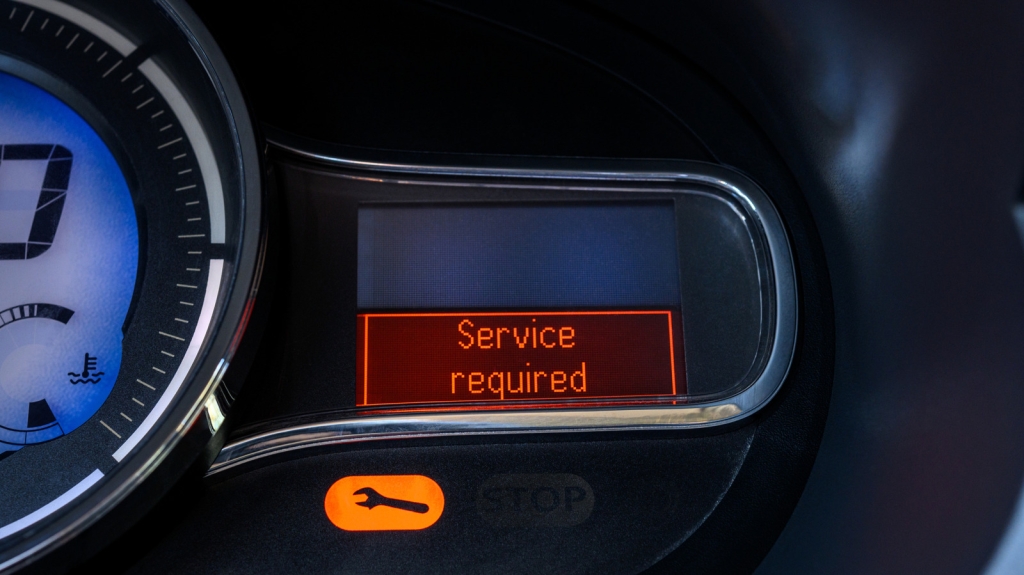
When your vehicle displays a “Maintenance Required” notification, breathe easy—this is your car’s way of saying, “Hey friend, remember that routine checkup we talked about?” This light typically activates based on your vehicle’s mileage or sometimes even the calendar date, serving as a gentle nudge that you’re approaching (or have reached) scheduled maintenance intervals.
Think of it like your phone reminding you to update your apps or your calendar alerting you about that dentist appointment you’ve been avoiding. It’s proactive, not reactive. Your car isn’t broken; it’s just following a predetermined maintenance schedule designed to keep it running smoothly for years to come.
Common triggers for the “Maintenance Required” light include:
- Oil change intervals (usually every 5,000-7,500 miles for conventional oil)
- Air filter replacement schedules
- Cabin filter changes
- Fluid level checks and top-offs
- Tire rotation reminders
The beauty of this system? It’s completely safe to continue driving. You don’t need to pull over immediately or call for roadside assistance. However, you shouldn’t ignore it indefinitely either. Think of it as your car’s way of saying, “Let’s schedule that spa day soon, okay?”
Check Engine Light: The Serious Business Indicator
Now, let’s talk about the “Check Engine” light—the automotive equivalent of your body’s fever warning. This little orange (or sometimes red) engine-shaped icon is your vehicle’s way of saying, “Houston, we have a problem,” and it demands your immediate attention.
Unlike the maintenance light, which is all about prevention, the “Check Engine” light is reactive. It illuminates when your vehicle’s sophisticated onboard diagnostic systems detect something has gone wrong somewhere in the complex network of sensors, computers, and mechanical components that make modern vehicles function.
The range of potential issues is vast—from something as simple as a loose gas cap to something as serious as a failing catalytic converter or engine misfire. The key takeaway? Never, ever ignore this light.
Decoding the Severity: Solid vs. Flashing
Here’s where it gets interesting: not all “Check Engine” lights are created equal. The behavior of the light itself provides crucial information about the severity of the problem.
Solid “Check Engine” Light: When the light stays steadily illuminated, it typically indicates an issue with emissions systems or other non-critical safety-related components. Your vehicle is likely still safe to drive, but you should schedule a diagnostic appointment with your mechanic as soon as reasonably possible. Think of it as a yellow traffic light—proceed with caution and plan to stop soon.
Flashing “Check Engine” Light: This is the automotive equivalent of a five-alarm fire. A blinking or flashing light signals a severe problem affecting critical systems like your engine, fuel delivery, or electrical components. If you see this, do not drive the vehicle. Continuing to operate the car could cause catastrophic damage and turn a manageable repair into a wallet-crushing nightmare.
The Detective Work: What Your Check Engine Light Might Be Telling You
Before you resign yourself to a hefty mechanic bill, there are several relatively simple issues that commonly trigger the “Check Engine” light. Consider these your first line of investigation:
The Gas Cap Gambit: Believe it or not, a loose, damaged, or missing gas cap is one of the most frequent culprits. Your fuel system is sealed for emissions control, and even a slightly loose cap can trigger the warning. Before panicking, pull over safely, turn off the engine, and check that your gas cap is properly tightened. Sometimes the light will reset itself after a few driving cycles.
Sensor Shenanigans: Modern vehicles are packed with sensors monitoring everything from oxygen levels to temperature to pressure. These sensors can fail or provide inaccurate readings, triggering the warning light. While you can’t easily diagnose sensor issues at home, knowing this possibility can help you have an informed conversation with your mechanic.
Spark Plug Problems: Worn or failing spark plugs can cause engine misfires, leading to that dreaded orange glow. While spark plug replacement is a routine maintenance item, it’s often overlooked until problems arise.
Catalytic Converter Concerns: This emissions control device can fail due to other underlying issues, and when it does, the “Check Engine” light is often the first indication. This is one of those repairs that can get expensive quickly, making early diagnosis crucial.
The Bottom Line: Knowledge is Power (and Money)
Understanding the difference between “Maintenance Required” and “Check Engine” lights isn’t just about avoiding confusion—it’s about making informed decisions that can save you significant time, stress, and money. The “Maintenance Required” light is your car’s friendly reminder to stay on top of preventive care, while the “Check Engine” light is your vehicle’s emergency broadcast system, alerting you to problems that need immediate attention.
Next time you’re faced with that ominous dashboard glow, take a deep breath, identify which light you’re dealing with, and respond appropriately. Your wallet—and your mechanic—will thank you.
Tags: Check Engine Light, Maintenance Required Light, Dashboard Warning Lights, Car Maintenance, Vehicle Diagnostics, Automotive Technology, Car Care Tips, Engine Problems, Vehicle Safety, Car Troubleshooting, Mechanic Advice, Automotive Alerts, Vehicle Warning Systems, Car Technology, Dashboard Indicators
Viral Phrases: “Monday morning meltdown,” “Houston, we have a problem,” “automotive equivalent of a five-alarm fire,” “wallet-crushing nightmare,” “spa day for your car,” “friendly reminder vs. emergency broadcast,” “the detective work,” “knowledge is power (and money),” “breathe easy,” “crucial distinction,” “sophisticated onboard diagnostic systems,” “reactive vs. proactive,” “yellow traffic light approach,” “first line of investigation,” “sensor shenanigans,” “catalytic converter concerns.”
,

Leave a Reply
Want to join the discussion?Feel free to contribute!