
Fallout was a ‘B-tier product’ that lost both the licenses it was banking on and had its lead dev joking, ‘In a week, we’re going to be asking whether people want fries with their meal,’ but now he thinks those trials ‘turned out to be positives’
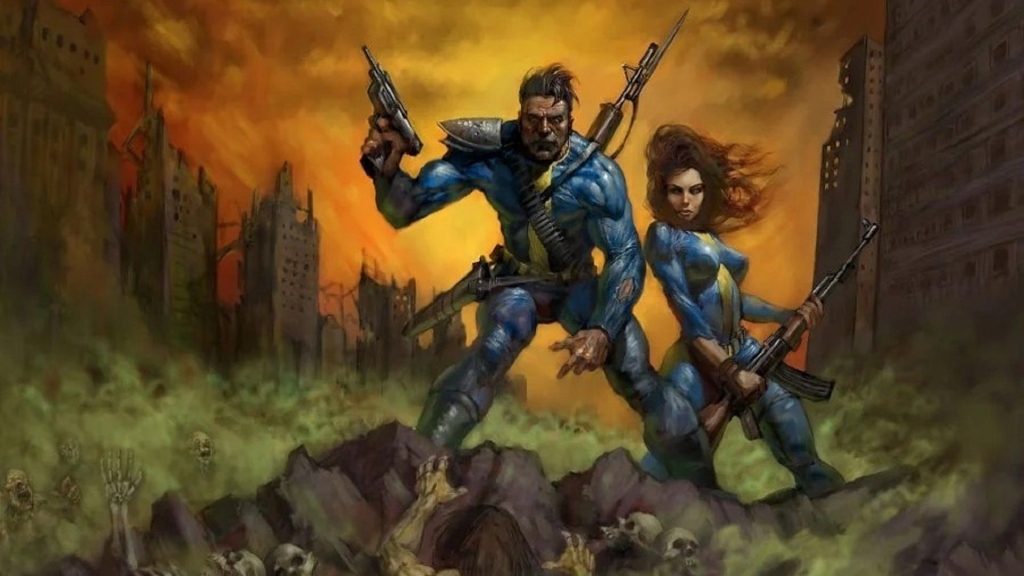
The Unlikely Rise of Fallout: How Constraints and Hardship Forged a Gaming Legend
In the annals of video game history, few stories are as compelling as the improbable ascent of Fallout from an overlooked B-tier project to one of the most influential RPG franchises of all time. The tale of its creation reads like a post-apocalyptic novel itself—a journey filled with setbacks, near-disasters, and unexpected turns that ultimately forged something extraordinary.
When series co-creator Tim Cain sat down with Game Informer for their extensive oral history, he revealed a truth that many fans might find shocking: Fallout was never destined for greatness in the eyes of its own publisher. “That sprite engine I wrote had limitations we had to work around, and those workarounds ended up making the game really cool,” Cain reflected. “But it was one of those things that, at the time, it felt like, ‘Oh no, another setback,’ and it turned out to be a positive thing in the long run.”
This perspective—viewing constraints as creative catalysts rather than insurmountable obstacles—would become the defining philosophy of Fallout‘s development team at Interplay Entertainment.
The GURPS Debacle That Changed Everything
The first major hurdle came in the form of Steve Jackson Games’ GURPS (Generic Universal Roleplaying System), which Fallout was originally designed to adapt. The team had ambitious plans to bring this beloved tabletop system to the digital realm, but fate had other ideas.
When Steve Jackson himself reviewed the game, he was reportedly disturbed by the jarring contrast between Fallout‘s ultraviolent content and its cheerful Vault Boy mascot. The result? Jackson pulled the license, leaving the team scrambling for alternatives.
Designer and art director Leonard Boyarsky later called this moment “a blessing in disguise.” The team was forced to create their own stat system—SPECIAL (Strength, Perception, Endurance, Charisma, Intelligence, Agility, and Luck)—which Boyarsky insists was “way better for a computer game than trying to make a really faithful GURPS adaptation.”
This homegrown system would go on to define not just Fallout, but influence countless RPGs that followed, proving that sometimes the best innovations come from necessity rather than planning.
The Wasteland That Never Was
The story of Fallout‘s creation is also the story of what it almost became. Originally conceived as a sequel to Wasteland, the groundbreaking 1988 post-apocalyptic RPG, Fallout faced another major setback when publisher Interplay couldn’t secure the rights from Electronic Arts.
Brian Fargo, Wasteland‘s designer and Interplay co-founder, recalled the crushing disappointment: “EA said, ‘No, not going to happen.’ We were being hopeful for a while, but ironically, that pivot ended up being wonderful because we ended up with Fallout, which obviously ended up being a good thing.”
Tim Cain has been particularly candid about this period, admitting in YouTube videos that some team members were “flat out worried that we would get [the license].” The constraints of having to differentiate Fallout from Wasteland pushed the team to develop its own unique identity—one that would eventually eclipse its predecessor in cultural impact.
The B-Tier Blessing
Perhaps the most surprising revelation from Cain’s interview is that Fallout was considered “a B-tier product” by Interplay executives. The studio’s leadership was so unenthusiastic about the project that they couldn’t wait to reassign the team to more prestigious properties like Dungeons & Dragons.
“We were pretty much ignored for years,” Cain explained. “No one really cared about what we were doing because there wasn’t anything huge tied to it, and that just let us kind of do our thing.”
This lack of oversight—born from corporate indifference—gave the Fallout team unprecedented creative freedom. Without executives breathing down their necks, they could experiment, take risks, and craft the dark, satirical vision that would become the series’ hallmark.
The Dark Humor of Development
The team’s awareness of their precarious position is perhaps best illustrated by an email exchange between Cain and Boyarsky that Cain wishes had been preserved. In the days before Fallout‘s release, Boyarsky sent an optimistic message: “In a week, everyone’s going to know how great Fallout is.”
Cain’s response dripped with the gallows humor that would later define the series itself: “In a week, we’re going to be asking whether people want fries with their meal.”
This exchange captures the uncertainty and anxiety that permeated the final days of development—a stark contrast to the game’s eventual reception and enduring legacy.
The Butterfly Effect of Constraints
What makes Fallout‘s story so remarkable is how every apparent setback contributed to its ultimate success. The sprite engine limitations led to creative workarounds that enhanced gameplay. The loss of the GURPS license birthed the iconic SPECIAL system. The inability to secure Wasteland rights forced the team to innovate rather than iterate. Even the publisher’s indifference provided the freedom necessary to create something truly original.
As Cain put it: “So many negatives turned out to be positives… Even being called a B-tier product, which, at the time was an insult… turned out to be a great thing because we were pretty much ignored for years.”
This philosophy—that constraints breed creativity—has become a cornerstone of game development wisdom, with Fallout serving as the ultimate case study.
The Legacy Continues
Today, Fallout is everywhere. With half a dozen games, two seasons of television, and a cultural footprint that extends far beyond gaming, it’s almost impossible to imagine a world where Fallout was anything less than a AAA franchise.
Yet its humble, hardscrabble origins remain visible in every irradiated wasteland, every moral dilemma, and every dark joke that defines the series. The constraints that shaped its development are baked into its DNA, creating a game that feels handcrafted rather than focus-tested—authentic rather than manufactured.
As the franchise continues to evolve and expand, the story of its unlikely birth serves as a reminder that sometimes the greatest art emerges not from perfect conditions, but from adversity, limitation, and the stubborn refusal to compromise one’s vision.
viral tags and phrases:
- “B-tier product” that became a legend
- How constraints made Fallout cooler
- The GURPS license that never happened
- SPECIAL system born from necessity
- Wasteland sequel that never was
- Publisher indifference as creative freedom
- “In a week, we’re going to be asking whether people want fries with their meal”
- The sprite engine limitations that enhanced gameplay
- Dark humor of game development
- From ignored project to cultural phenomenon
- How setbacks forged gaming greatness
- The unlikely rise of Fallout
- Constraints as creative catalysts
- Authentic art from adversity
- Gaming’s greatest case study in perseverance
,


Leave a Reply
Want to join the discussion?Feel free to contribute!