
China Mobile signs 155 million yuan deal for its compute platform with Huawei Ascend
China Mobile Guangdong Secures $22 Million Contract to Build Domestic Computing Power Platform, Marking Milestone in China’s Tech Independence
In a significant move toward technological self-reliance, China Mobile Guangdong has secured a 155 million yuan ($22 million) contract to construct a cutting-edge computing power service support platform. The ambitious project, designed to bolster the company’s large-scale computing infrastructure, underscores China’s accelerating push to reduce dependence on foreign technology and advance its domestic capabilities in high-performance computing.
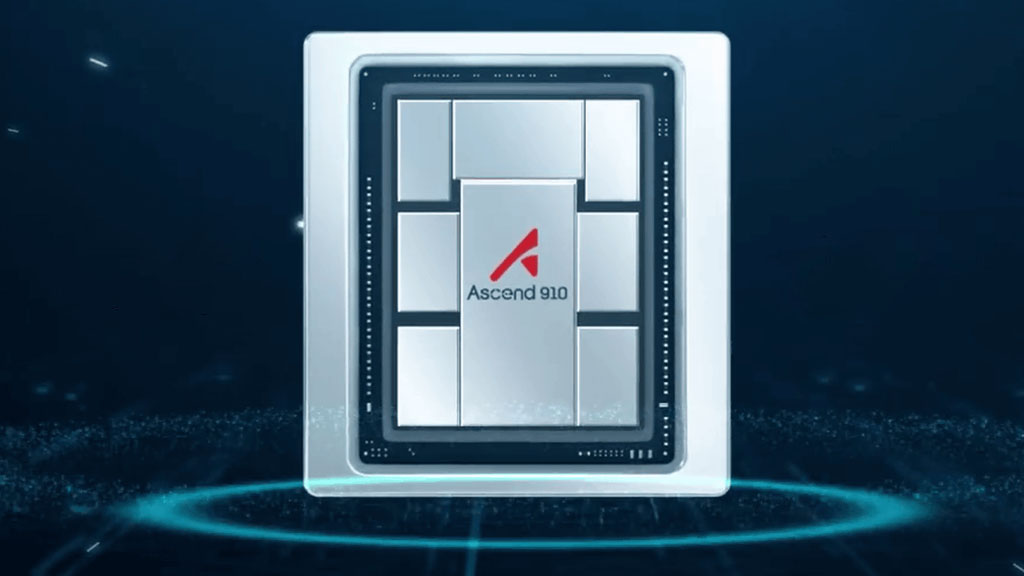
The platform, which will exclude imported equipment, will be powered by Huawei’s advanced Ascend 910C computing cards, a cornerstone of China’s homegrown AI and computing ecosystem. These cards, built on Huawei’s proprietary Tiangang architecture, are engineered to deliver exceptional performance, with the platform expected to achieve an impressive 160 exaFLOPS (FP16) of computing power. This level of performance positions the platform as a formidable competitor in the global race for AI and big data processing supremacy.
A key component of the project is the integration of Huawei’s Lingqu interconnect bus, a high-speed, low-latency communication system designed to optimize data transfer between computing nodes. This seamless integration of hardware and software is expected to enhance the platform’s efficiency and scalability, making it a robust foundation for future AI and cloud computing applications.
The storage system for the platform will be equally advanced, combining a high-performance tier based on Huawei’s OceanStor A800 with a high-capacity tier utilizing the OceanStor Pacific 9550. This dual-tier approach ensures that the platform can handle both the speed and volume demands of modern data-intensive workloads, from real-time analytics to massive data storage and retrieval.
The project represents a significant milestone in the commercialization of China’s domestic computing power technologies. Over the past few years, China has made substantial investments in developing its own semiconductor and computing ecosystems, driven by geopolitical pressures and the need for technological sovereignty. This contract win for China Mobile Guangdong is a testament to the growing maturity and competitiveness of these homegrown solutions.
Industry analysts view this development as part of a broader trend in China’s tech sector, where companies are increasingly turning to domestic suppliers to build resilient and secure infrastructure. The success of this project could pave the way for further adoption of Chinese-made computing technologies across other sectors, including telecommunications, finance, and healthcare.
Moreover, the platform’s capabilities align with China’s strategic goals of becoming a global leader in AI and big data by 2030. By leveraging its own technological innovations, China aims to reduce its reliance on foreign technologies and establish a more self-sufficient and secure digital economy.
The contract also highlights the growing collaboration between China’s telecommunications giants and its tech industry leaders. Huawei, a key player in this ecosystem, has been at the forefront of developing advanced computing solutions that cater to the needs of large-scale enterprises and government projects. This partnership between China Mobile Guangdong and Huawei exemplifies the synergies driving China’s technological advancement.
As the project progresses, it will be closely watched by industry stakeholders and policymakers alike. The successful deployment of this platform could serve as a blueprint for similar initiatives across the country, further accelerating China’s transition to a tech-independent future.
In conclusion, China Mobile Guangdong’s $22 million contract to build a domestic computing power platform marks a pivotal moment in China’s journey toward technological self-reliance. With Huawei’s cutting-edge Ascend 910C computing cards, Tiangang architecture, and Lingqu interconnect bus at its core, the platform promises to deliver world-class performance while showcasing the potential of China’s homegrown technologies. As the global tech landscape continues to evolve, this project stands as a testament to China’s determination to lead in the era of AI and big data.
Tags & Viral Sentences:
China Mobile Guangdong, $22 million contract, domestic computing power platform, Huawei Ascend 910C, Tiangang architecture, Lingqu interconnect bus, 160 exaFLOPS, OceanStor A800, OceanStor Pacific 9550, technological self-reliance, AI and big data, China’s tech independence, homegrown technologies, semiconductor ecosystem, high-performance computing, data-intensive workloads, global AI race, secure digital economy, tech sovereignty, telecommunications infrastructure, Huawei partnership, 2030 AI leadership, cutting-edge computing solutions, scalable infrastructure, real-time analytics, massive data storage, geopolitical pressures, resilient infrastructure, domestic suppliers, tech sector collaboration, technological advancement, world-class performance, blueprint for innovation, AI and big data supremacy, self-sufficient digital economy, secure and efficient computing, next-generation AI platform, China’s tech ecosystem, high-speed data transfer, low-latency communication, advanced semiconductor solutions, competitive edge in tech, future of computing, China’s digital transformation, technological sovereignty, AI-driven economy, big data processing, domestic tech solutions, global tech landscape, innovation in computing, secure infrastructure, tech independence milestone, cutting-edge AI capabilities.
,


Leave a Reply
Want to join the discussion?Feel free to contribute!