
OpenAI’s supposedly ‘leaked’ Super Bowl ad with ear buds and a shiny orb was a hoax
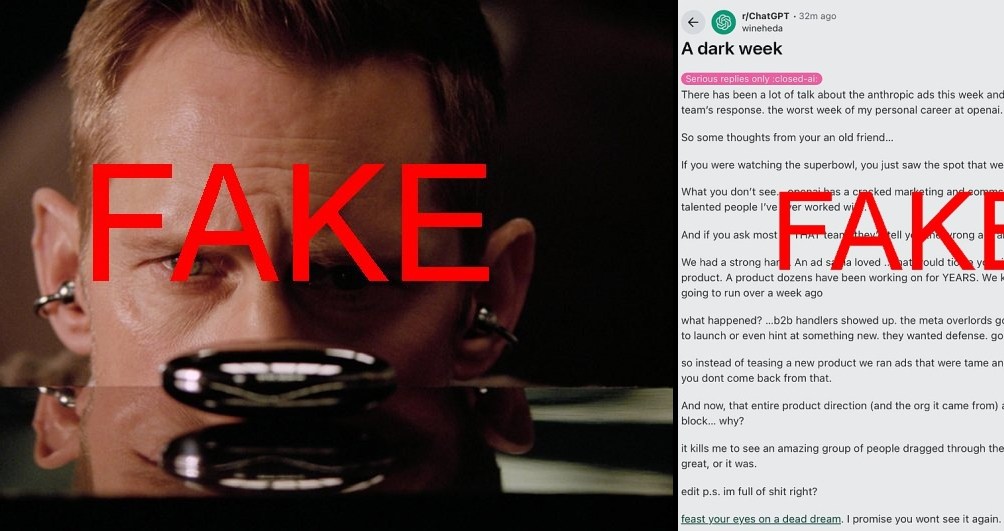
OpenAI and Jony Ive Super Bowl Hoax: A Deep Dive into the Viral Fake News Scandal
In a bizarre twist of events that has left the tech world both baffled and amused, a meticulously crafted fake news story about OpenAI and legendary designer Jony Ive allegedly creating a Super Bowl commercial has been exposed as an elaborate hoax. The incident has sparked conversations about misinformation, viral marketing tactics, and the lengths some will go to create buzz around tech products.
The Origin of the Fake News
The saga began when a Reddit user claiming to be a “wineheda” posted what appeared to be a leaked advertisement for an upcoming OpenAI product, allegedly designed in collaboration with Jony Ive, the former Apple design chief known for his work on the iPhone, iPad, and MacBook. The post quickly gained traction, with many users speculating about the potential product and its implications for the tech industry.
However, the account behind the original post has since been deleted, raising immediate red flags. A deeper investigation into the user’s history revealed that just a year ago, they were actively seeking to grow their business as a bookkeeper in Santa Monica. The sudden shift from bookkeeping to allegedly working on high-profile tech advertisements for OpenAI and Jony Ive was, to say the least, highly improbable.
OpenAI’s Swift Denial
OpenAI, the artificial intelligence research organization behind the popular ChatGPT, was quick to respond to the allegations. Greg Brockman, the company’s president, took to X (formerly Twitter) to call the story “fake news.” Lindsay McCallum Rémy, an OpenAI spokesperson, echoed this sentiment, stating unequivocally, “this is totally fake.”
The speed and clarity of OpenAI’s response were crucial in quelling the initial wave of speculation. However, the damage had already been done, as the story had begun to spread like wildfire across social media platforms.
The Anatomy of a Hoax
What makes this particular hoax so intriguing is the level of detail and effort put into its execution. It wasn’t just a simple case of someone posting a fake ad and hoping it would go viral. The perpetrators behind this scheme had clearly been working on it for some time, employing multiple tactics to lend credibility to their false narrative.
Max Weinbach, a well-known tech reporter, shared screenshots of an email he received a week prior to the Reddit post. The email proposed the promotion of a tweet about an OpenAI hardware teaser ad featuring Alexander Skarsgård, the Swedish actor known for his roles in “Big Little Lies” and “Succession.” What made this email particularly suspicious was the inclusion of a real payment of $1,146.12, which was offered in exchange for promoting the fake advertisement.
The Fake News Ecosystem
The hoaxers didn’t stop at just creating a fake Reddit post and offering payment for promotion. They went a step further by creating an entire fake news ecosystem to support their claims. Gillian Follett, a reporter for AdAge, revealed that a fake headline attributed to her had been circulating, falsely portraying a story about OpenAI changing its Super Bowl ad. This fake headline was designed to add an extra layer of credibility to the hoax, as it appeared to come from a reputable source in the advertising industry.
Kate Rouch, OpenAI’s Chief Marketing Officer, mentioned the existence of an “entire fake website” that was created to back up the false claims. While the details of this website remain unclear, its existence underscores the sophistication of the hoax and the lengths to which the perpetrators were willing to go to make their story believable.
The Impact of Viral Misinformation
This incident raises important questions about the nature of misinformation in the digital age. In an era where news spreads at the speed of light and anyone can create and distribute content, the line between fact and fiction has become increasingly blurred. The OpenAI and Jony Ive hoax is a prime example of how easily false information can be crafted to appear legitimate, especially when it involves high-profile figures and companies in the tech industry.
The speed at which the story gained traction also highlights the public’s insatiable appetite for news about cutting-edge technology and the next big thing in the industry. When a story involves a collaboration between OpenAI, a leader in artificial intelligence, and Jony Ive, a design icon, it’s no wonder that people were quick to believe and share it.
The Role of Social Media in Spreading Misinformation
Social media platforms played a crucial role in the spread of this fake news story. The initial Reddit post quickly made its way to Twitter, where it was shared and discussed by thousands of users. The inclusion of a real payment offer in the promotional email added an extra layer of intrigue, making the story even more shareable.
However, social media also played a vital role in debunking the hoax. OpenAI’s swift denial, coupled with the investigative efforts of journalists and tech enthusiasts, helped to expose the story as false. This incident serves as a reminder of the dual nature of social media – it can be both a powerful tool for spreading misinformation and a platform for fact-checking and truth-seeking.
Lessons Learned
The OpenAI and Jony Ive Super Bowl hoax offers several important lessons for both consumers and creators of news in the digital age:
-
Verify before sharing: In an era of rapid information dissemination, it’s crucial to verify the authenticity of a story before sharing it with others. A quick search or a look at the source’s credibility can often reveal whether a story is legitimate or not.
-
Be skeptical of too-good-to-be-true stories: When a story seems too exciting or groundbreaking to be true, it’s worth taking a step back and questioning its validity. In this case, the idea of OpenAI and Jony Ive collaborating on a Super Bowl ad was certainly attention-grabbing, but it also raised red flags that should have prompted further investigation.
-
Understand the tactics of misinformation: This hoax employed several common tactics used in the spread of fake news, including the creation of fake social media accounts, the use of real payments to lend credibility, and the establishment of a fake news ecosystem. Being aware of these tactics can help individuals better identify and avoid falling for similar hoaxes in the future.
-
The importance of official statements: OpenAI’s quick and clear denial of the story was crucial in quelling the spread of misinformation. This highlights the importance of official statements from companies and organizations when faced with false claims.
-
The role of investigative journalism: The work of journalists like Max Weinbach and Gillian Follett in uncovering the details of this hoax underscores the vital role that investigative journalism plays in maintaining the integrity of information in the digital age.
Conclusion
The OpenAI and Jony Ive Super Bowl hoax is a fascinating case study in the world of viral misinformation. It demonstrates the sophistication of modern hoaxes, the speed at which false information can spread, and the importance of critical thinking and fact-checking in the digital age. As technology continues to evolve and the lines between reality and fiction become increasingly blurred, it’s more important than ever for consumers of news to approach information with a healthy dose of skepticism and a commitment to verifying the facts before accepting them as truth.
As for OpenAI and Jony Ive, while this particular collaboration may have been nothing more than an elaborate hoax, it’s clear that the public’s interest in their potential partnership is very real. Whether or not such a collaboration ever comes to fruition, one thing is certain: the tech world will be watching closely, ready to separate fact from fiction in the next viral story that captures their imagination.
Tags:
OpenAI, Jony Ive, Super Bowl, fake news, hoax, misinformation, viral marketing, tech industry, ChatGPT, Alexander Skarsgård, Reddit, Twitter, AdAge, investigative journalism, digital age, social media, fact-checking, official statements, tech collaboration, design icon, artificial intelligence
Viral Sentences:
- “OpenAI and Jony Ive’s Super Bowl ad was just an elaborate hoax!”
- “The tech world was fooled by a fake OpenAI and Jony Ive collaboration.”
- “How a fake Reddit post sparked a viral misinformation campaign.”
- “The $1,146.12 that almost made a fake OpenAI ad go viral.”
- “From bookkeeper to tech insider? The bizarre story behind the OpenAI hoax.”
- “Why we fell for the OpenAI and Jony Ive Super Bowl ad conspiracy.”
- “The dark art of viral marketing: Inside the OpenAI hoax.”
- “When fake news meets high-tech: The OpenAI Super Bowl scandal.”
- “How social media turned a fake ad into a tech industry sensation.”
- “The lessons we learned from the OpenAI and Jony Ive misinformation campaign.”
,


Leave a Reply
Want to join the discussion?Feel free to contribute!