
A Bizarre International War Inside One Chip Company Threatens the Global Automotive Industry
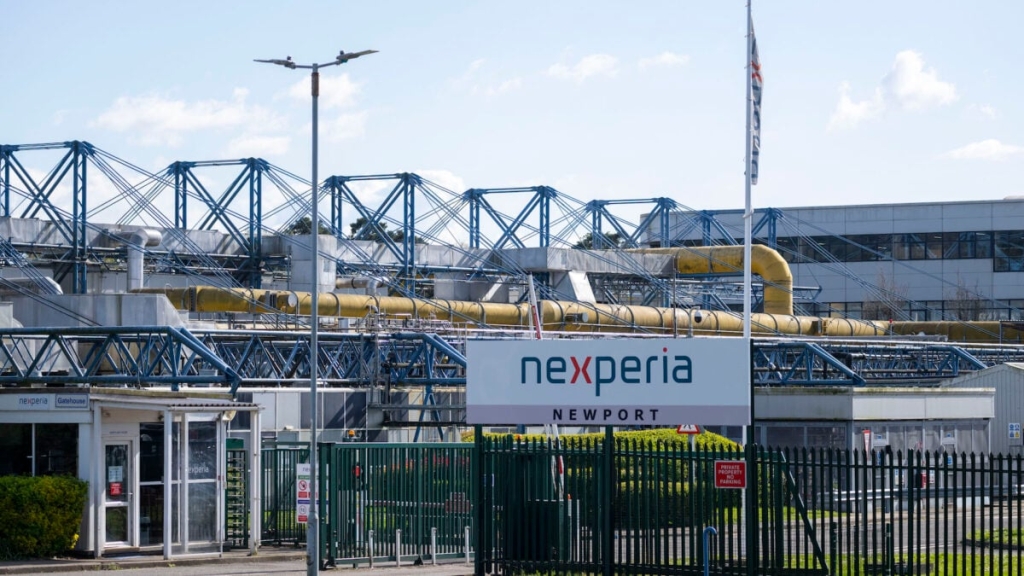
Nexperia’s Internal War: A Semiconductor Saga That Threatens Global Auto Production
In a bizarre twist of international corporate drama, Nexperia—a Dutch semiconductor company with deep roots in European electronics history—finds itself at the center of a geopolitical tug-of-war that could send shockwaves through the global automotive industry. What began as a routine business acquisition has devolved into an all-out corporate civil war between its Dutch headquarters and Chinese operations, threatening to create yet another chip shortage that manufacturers worldwide are desperately trying to avoid.
The Company at the Heart of the Storm
Nexperia’s story reads like a history of modern electronics. Founded through the merger of venerable British and German electronics companies dating back over a century, it became part of Philips’ electronics empire before emerging as an independent Dutch semiconductor powerhouse. The company specializes in what are known as “mature node” chips—the unglamorous but essential components that control everything from power management to basic computing functions in cars, appliances, and industrial equipment.
The plot thickened in 2018 when Wingtech, a Chinese electronics firm, acquired Nexperia for approximately $3.6 billion. Wingtech itself has connections to Chinese government interests, with about 30% ownership tied to state-affiliated entities, according to analysis by CNBC. This made Nexperia simultaneously one of Europe’s most storied semiconductor companies and a Chinese-owned enterprise with substantial operations on both continents.
A Perfect Storm of Geopolitical Tensions
The timing couldn’t have been worse. Nexperia’s acquisition came during a period of escalating economic rivalry between China and Western nations, particularly the United States and European Union. The company had just opened a massive assembly and test facility in China’s Guangdong Province—a $2.5 billion investment that underscored its commitment to the Chinese market.
By 2025, the situation had become untenable. The United States, concerned about potential Chinese control over critical semiconductor supply chains, reportedly pressured the Netherlands to remove Zhang Xuezheng, a Chinese executive at Nexperia who had been suspended from his previous company. Then, in a move reminiscent of Cold War-era industrial policy, the Dutch government invoked a long-forgotten law to seize control of Nexperia’s operations, citing concerns about intellectual property theft and technology transfer to Wingtech.
China responded by suspending Nexperia’s exports of automotive microprocessors from its Guangdong facility, triggering a minor crisis that echoed the global chip shortages of the COVID-19 era. The disruption was brief but alarming—a preview of what could happen if the current tensions escalate further.
The Latest Escalation: Digital Lockout
The most recent chapter in this saga unfolded in early March 2026, when Nexperia’s Dutch headquarters took the extraordinary step of blocking Chinese employees from accessing corporate software applications. Workers in China suddenly found themselves unable to open Microsoft Word, Excel, and other essential productivity tools on their work computers—effectively shutting down office operations at Nexperia’s Chinese facilities.
This digital lockout represented more than just a temporary inconvenience. It was a stark demonstration of how corporate control can be weaponized in international disputes, with Dutch management using their administrative privileges to paralyze Chinese operations. The move came amid ongoing courtroom battles over control of the company and threats of litigation as Chinese owners struggled to assert their authority over their European subsidiary.
By Friday of that week, most operations in China had reportedly resumed, but the damage to trust and operational stability had been done. The incident highlighted the fundamental problem: Nexperia is a company at war with itself, with two parent entities—one Dutch, one Chinese—unable to reconcile their competing interests.
The Automotive Industry Braces for Impact
The automotive sector, still recovering from previous chip shortages, is watching this situation with mounting anxiety. While Nexperia’s products are considered “mature node” semiconductors—less advanced than the cutting-edge chips used in smartphones and AI applications—they are absolutely essential for modern vehicle manufacturing. These chips control everything from engine management systems to power steering, and their absence can bring entire assembly lines to a halt.
The Japan Automobile Manufacturers Association (JAMA) captured the industry’s concerns in a statement last year, warning that “the chips manufactured by the affected manufacturers are important parts used in electronic control units, etc., and we recognize that this incident will have a serious impact on the global production of our member companies.”
European automakers are reportedly preparing for potential assembly line shutdowns, while suppliers scramble to secure alternative sources for these critical components. The situation has exposed the fragility of global supply chains and the risks inherent in allowing geopolitical tensions to disrupt commercial operations.
A Microcosm of Global Economic Tensions
What makes the Nexperia situation particularly fascinating is how it encapsulates broader trends in the global economy. We’re witnessing the collision of several powerful forces: the increasing nationalization of supply chains, the weaponization of economic dependencies, and the challenges of managing multinational corporations in an era of great power competition.
The company’s internal dysfunction mirrors the external tensions between China and the West. Just as diplomatic relations have deteriorated to the point where economic coercion has become a preferred tool of statecraft, Nexperia’s Dutch and Chinese operations seem incapable of finding common ground for the benefit of their shared enterprise.
This isn’t just about one company’s internal struggles—it’s a case study in how the new era of economic nationalism is playing out in real-time, with real consequences for businesses and consumers worldwide.
The Way Forward Remains Unclear
As of now, there’s no clear resolution in sight. The Netherlands has shown willingness to intervene when it perceives threats to its technological sovereignty, while China has demonstrated it won’t hesitate to use economic leverage in response to perceived slights. Meanwhile, the global automotive industry remains caught in the crossfire, forced to develop contingency plans for yet another potential shortage.
Nexperia itself appears paralyzed, unable to function as a cohesive entity while its warring factions continue their struggle for control. The company’s website still proudly traces its European heritage, but its current reality is one of division and dysfunction.
For now, the world watches and waits, hoping that this particular corporate civil war doesn’t escalate into a full-blown economic crisis. But if history is any guide, the semiconductor industry’s current calm may be the eye of the storm rather than the end of the tempest.
Tags:
Nexperia #SemiconductorShortage #GeopoliticalTech #AutoIndustryCrisis #ChinaNetherlands #SupplyChainDisruption #ChipWars #CorporateCivilWar #MatureNodeChips #GlobalEconomy #TrumpEraTrade #Wingtech #DutchGovernmentIntervention #AutomotiveManufacturing #TechGeopolitics #EconomicNationalism
Viral Phrases:
“corporate civil war” “digital lockout” “semiconductor saga” “chip shortage threat” “geopolitical tug-of-war” “mature node crisis” “economic nationalism” “supply chain weaponization” “technological sovereignty” “corporate dysfunction” “global economic tensions” “assembly line shutdown” “intellectual property battle” “international corporate intrigue” “great power competition” “economic coercion” “fragile supply chains” “multinational paralysis” “diplomatic tensions” “real-time case study”
,


Leave a Reply
Want to join the discussion?Feel free to contribute!