
A Cambridge Lab Mistake Reveals a Powerful New Way to Modify Drug Molecules
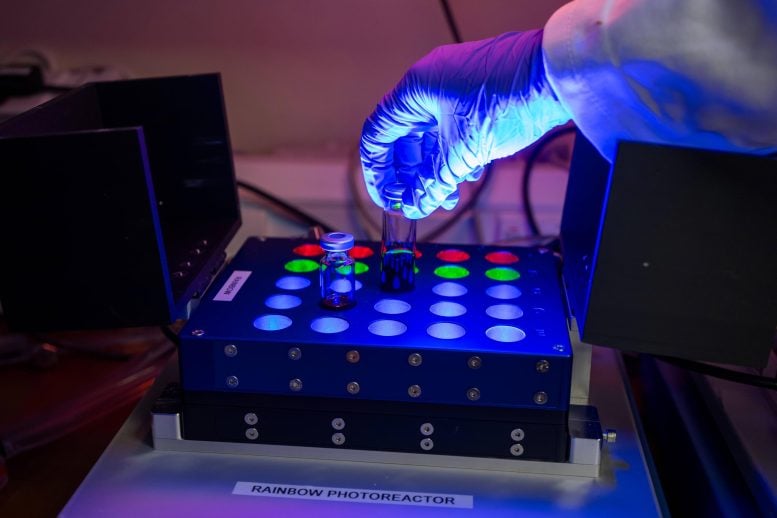
Cambridge Lab Accident Sparks Light-Powered Drug Revolution
In a twist of scientific serendipity, researchers at the University of Cambridge have uncovered a groundbreaking method to modify complex drug molecules using only light—no hazardous chemicals required. What began as an unexpected lab mishap has evolved into a potentially transformative technique that could accelerate pharmaceutical development, reduce environmental impact, and open new frontiers in personalized medicine.
The discovery centers on a light-activated process that triggers a self-sustaining chain reaction within drug molecules. By exposing certain compounds to specific wavelengths of light—particularly from energy-efficient LED sources—scientists can now make precise molecular modifications that were previously only achievable through laborious, toxic chemical reactions. This breakthrough not only streamlines the drug modification process but also allows for alterations to be made much later in the development pipeline, offering unprecedented flexibility to pharmaceutical chemists.
Traditional drug development often involves multiple stages of synthesis, each requiring harsh reagents, extreme conditions, and significant waste generation. The new light-based approach circumvents many of these challenges. Because the reaction is self-sustaining once initiated, it requires minimal external energy input beyond the initial light pulse. This dramatically reduces both the cost and the environmental footprint of drug manufacturing.
One of the most compelling aspects of this innovation is its potential to enable “late-stage functionalization.” In pharmaceutical terms, this means that drugs can be fine-tuned or adapted for specific patient populations even after the core structure is finalized. For example, a single promising compound could be rapidly modified to improve its solubility, target specificity, or metabolic stability without rebuilding it from scratch. This agility could shave years off the development timeline and lower the barriers to creating tailored therapies.
The research team, led by chemists at Cambridge’s Department of Chemistry, stumbled upon the effect while investigating alternative reaction pathways. An accidental exposure to LED light during an experiment revealed that certain molecular frameworks could undergo dramatic structural changes under illumination. Further investigation showed that the light energy was activating a catalytic cycle, enabling the reaction to propagate without additional reagents.
Beyond its practical applications, the discovery is also a testament to the value of curiosity-driven research and the role of serendipity in science. The researchers emphasize that such “mistakes” are often where the most exciting breakthroughs occur, especially in fields as complex as organic chemistry and drug design.
Industry experts are already hailing the technique as a potential game-changer. If scalable, it could reduce reliance on rare or expensive catalysts, minimize the use of volatile organic solvents, and make the drug manufacturing process safer for workers and the environment. Pharmaceutical companies are reportedly eager to explore licensing agreements and pilot studies to integrate the method into their pipelines.
Looking ahead, the team plans to expand the range of molecules that can be modified using this light-based approach and to collaborate with industry partners to refine the process for commercial use. They also aim to investigate whether similar principles could be applied to other areas of chemical synthesis, potentially sparking a broader “green chemistry” revolution.
In an era where speed, sustainability, and precision are paramount in drug development, this Cambridge lab’s happy accident may have just lit the way forward—literally.
lightactivatedchemistry #drugdevelopment #pharmaceuticalinnovation #greenchemistry #cambridgelab #ledtechnology #molecularmodification #scientificserendipity #selfsustainingreaction #pharmaceuticalbreakthrough #drugmanufacturing #organicchemistry #medicalresearch #sustainablepharma #lateStagefunctionalization #scientificdiscovery #chemistrylab #pharmaceuticalengineering #medicaladvancement #drugdesign #innovation #labdiscovery #chemicalsynthesis #scienceandtechnology #futureofmedicine #researchbreakthrough #drugmodification #chemistryresearch #scientificaccident #pharmaceuticaltechnology
,


Leave a Reply
Want to join the discussion?Feel free to contribute!