
A Common Drug May Make Cancer Immunotherapy Work Better
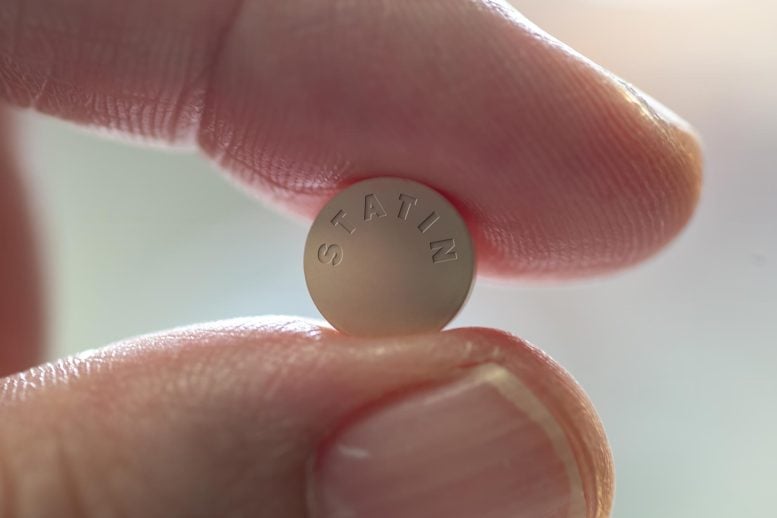
A newly discovered cancer trick that weakens immunotherapy may be stopped by everyday statins. Cancer immunotherapy has reshaped modern cancer care by activating the body’s own immune defenses to fight tumors. Drugs known as immune checkpoint inhibitors, which target the PD-1/PD-L1 pathway, have produced long-lasting responses in some patients and created hope for sustained cancer remission. But despite these breakthroughs, many patients do not respond, and some develop resistance over time.
Now, a team of researchers from the University of Pittsburgh and UPMC Hillman Cancer Center has uncovered a surprising mechanism that may explain part of this resistance—and, more excitingly, a simple, widely available solution: statins.
Statins, best known for lowering cholesterol, are among the most prescribed drugs in the world. Millions of people take them daily to protect their hearts. But new evidence suggests they may have a hidden superpower—helping the immune system fight cancer more effectively when combined with immunotherapy.
The discovery centers on a clever survival tactic used by cancer cells. Tumors, under attack from the immune system, sometimes shed microscopic fragments of their outer membranes. These fragments, called microparticles, carry a protein called PD-L1 on their surface. PD-L1 is normally used by tumors to “switch off” immune cells, like T cells, that would otherwise attack them.
What makes this so insidious is that these PD-L1-coated microparticles don’t just stay with the tumor—they travel throughout the bloodstream, acting like decoys. They latch onto T cells far from the tumor site and prematurely shut them down. This leaves the immune system weakened before it can even reach the cancer, blunting the effectiveness of checkpoint inhibitor drugs.
“It’s as if the cancer is throwing out a smokescreen to confuse and disable the immune system before it can mount an effective attack,” explained one of the lead researchers.
The team made this discovery by studying blood samples from cancer patients and using advanced imaging techniques to track the movement of these microparticles. They found that patients with higher levels of circulating PD-L1 microparticles responded more poorly to immunotherapy.
But here’s where the story takes a hopeful turn. The researchers found that statins can block the release of these immunosuppressive microparticles from cancer cells. In laboratory experiments, cancer cells treated with statins released far fewer PD-L1-bearing particles. When combined with PD-1 inhibitors in animal models, statins significantly boosted the immune response and slowed tumor growth.
This synergy between statins and immunotherapy could be a game-changer. Because statins are already widely used, safe, and inexpensive, they could be rapidly repurposed to improve outcomes for cancer patients—especially those who have not responded well to immunotherapy alone.
Clinical trials are already being planned to test this combination in humans. If successful, statins could become a routine part of immunotherapy regimens, helping more patients achieve long-term remission.
The implications go beyond just improving response rates. By potentially reducing the need for higher doses of expensive immunotherapy drugs, statins could also make treatment more accessible and affordable for patients around the world.
This discovery is a powerful reminder that sometimes, the most effective solutions are hiding in plain sight. A drug taken daily by millions for heart health may now offer new hope in the fight against cancer—turning an everyday pill into a potential ally for the immune system.
As researchers continue to unravel the complex ways cancer evades treatment, innovations like this highlight the importance of looking at old drugs with new eyes. The future of cancer care may lie not just in developing novel therapies, but in reimagining the ones we already have.
#Statins #CancerResearch #Immunotherapy #PD1 #PDL1 #CancerTreatment #MedicalBreakthrough #Oncology #HeartHealth #DrugRepurposing #UPMC #UniversityOfPittsburgh #CancerImmunity #Tcells #TumorResistance #HealthcareInnovation #AffordableMedicine #ClinicalTrials #ScienceNews #MedicalResearch,

Leave a Reply
Want to join the discussion?Feel free to contribute!