
A former GameStop exec thought building its Steam competitor would be his ‘forever job,’ but the retailer bet the house on digital distribution being ‘a passing phase’
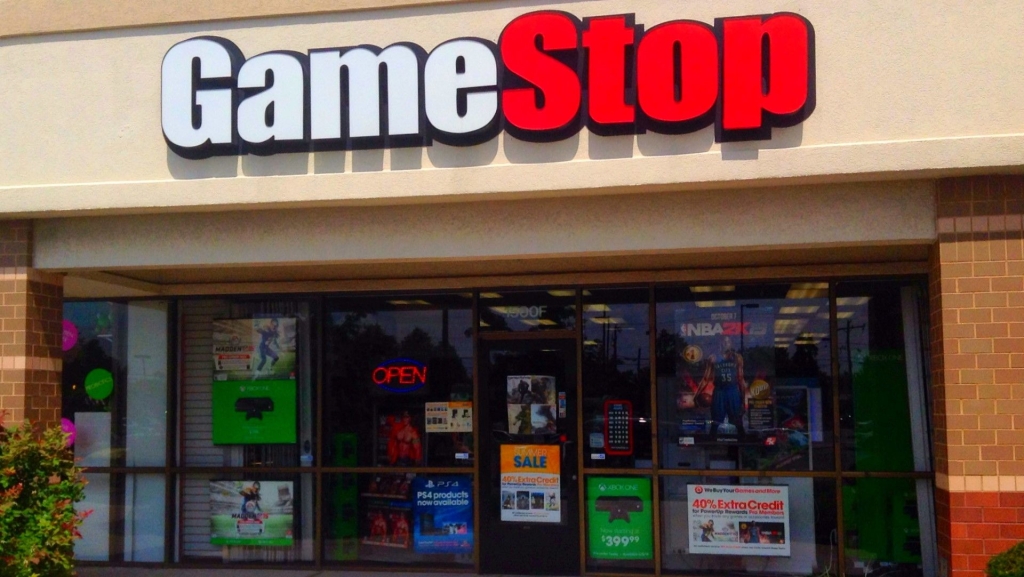
How GameStop’s Steam Rival Impulse Failed: A Cautionary Tale of Brick-and-Mortar Hubris
In the annals of gaming history, few stories are as fascinating—and cautionary—as that of Impulse, GameStop’s ambitious attempt to challenge Steam’s dominance in digital distribution. The tale begins not with GameStop, but with Stardock, a software company that was ahead of its time in recognizing the potential of digital distribution back in the early 2000s.
The Birth of Digital Distribution at Stardock
Larry Kuperman, who recently retired after a 25-year career in games, was there at the beginning. His journey into gaming came about halfway through his professional life, and it started with Stardock’s forward-thinking approach to electronic sales.
“Our first game, The Corporate Machine, had electronic distribution rights baked into the contract negotiations,” Kuperman recalled during this year’s Game Developers Conference. “I’m sure the lawyer at Take Two was thinking, ‘It’s electronic distribution. Who cares about that?’ But that moment was kind of pivotal.”
This foresight led to the creation of Drengin, Stardock’s first online store in 2004-2005. The archived version of the site is a nostalgic time capsule, with its throwback layout advertising the “hottest games coming in 2004.” Kuperman describes the experience back then as rudimentary: “You got this thing to download and the serial number that came in your email.”
The Rise of Impulse
The real turning point came when Stardock acquired electronic distribution rights to games from Strategy First, a Canadian publisher that collapsed while working with them. This acquisition launched what would become Impulse in 2008—Stardock’s direct answer to Steam.
Impulse launched with similar features to its Valve counterpart: game downloads, automatic updates, and a digital storefront. For a brief moment, it seemed like Stardock might have a fighting chance in the digital distribution wars.
GameStop’s Misstep
The narrative took a dramatic turn in 2011 when GameStop acquired Impulse. Kuperman joined the retail giant as head of electronic distribution on the PC side, believing he’d found his “forever job.” But the reality was far different.
“I guess, back in that time, it was completely different management than is at GameStop now,” Kuperman explained. “But GameStop thought that electronic distribution was just a passing phase, and brick and mortar was going to come back strong. They thought, ‘I’ve seen the future, it looks just like the 1950s.’ But that really didn’t happen.”
This mindset proved catastrophic. GameStop shut down Impulse completely in 2014, just three years after acquiring it—a decision that, in hindsight, ranks among the most shortsighted in gaming history.
A Blockbuster-Level Blunder
The parallels to other historical business failures are striking. Just as Blockbuster famously refused to buy Netflix for $50 million in 2000, GameStop’s management couldn’t envision a future where digital distribution would dominate. While Kuperman had no illusions about Impulse becoming a true “Steam-killer,” abandoning digital distribution altogether was clearly the wrong move.
The rest, as they say, is history. GameStop has since weathered years of turmoil—layoffs, store closures, and even the demise of GameInformer (though that last bit does have a somewhat happy ending). The company seems to have reached an equilibrium after years of struggle, but the question remains: what if they had doubled down on digital instead of doubling down on denial?
The Legacy of Impulse
Impulse’s failure serves as a powerful reminder that even established companies can miss seismic shifts in their industry. While Steam continued to evolve, building communities and expanding its ecosystem, Impulse withered under corporate management that couldn’t see past their brick-and-mortar worldview.
Today, as the gaming industry continues to evolve with new platforms, subscription services, and cloud gaming, the story of Impulse stands as a testament to the importance of adaptability—and the dangers of corporate hubris in the face of technological change.
Tags & Viral Phrases:
- GameStop’s Steam Killer That Never Was
- The $50 Million Mistake: GameStop’s Digital Distribution Disaster
- How Brick-and-Mortar Thinking Killed a Gaming Platform
- The Rise and Fall of Impulse: A Cautionary Tale
- GameStop vs. Steam: The Battle That Never Happened
- When GameStop Thought Digital Was “Just a Passing Phase”
- The Blockbuster of Gaming: GameStop’s Missed Opportunity
- Larry Kuperman’s 25-Year Journey Through Gaming’s Digital Revolution
- How Stardock Predicted the Future (and GameStop Didn’t)
- The Platform That Could Have Changed Everything
- Digital Distribution’s Almost-Competitor
- GameStop’s $50 Million Blunder
- The Steam Competitor That Time Forgot
- How Corporate Hubris Killed a Gaming Platform
- The Rise of Digital: GameStop’s Greatest Missed Opportunity
- When GameStop Bet Against the Future
- The Story of Impulse: Gaming’s What-If Moment
- How GameStop’s Management Couldn’t See the Digital Writing on the Wall
- The Platform That Died Because They Thought It Was “Just a Phase”
- GameStop’s Digital Distribution Dream That Turned Into a Nightmare
,


Leave a Reply
Want to join the discussion?Feel free to contribute!