
A man allegedly threw a Molotov cocktail at Sam Altman’s house
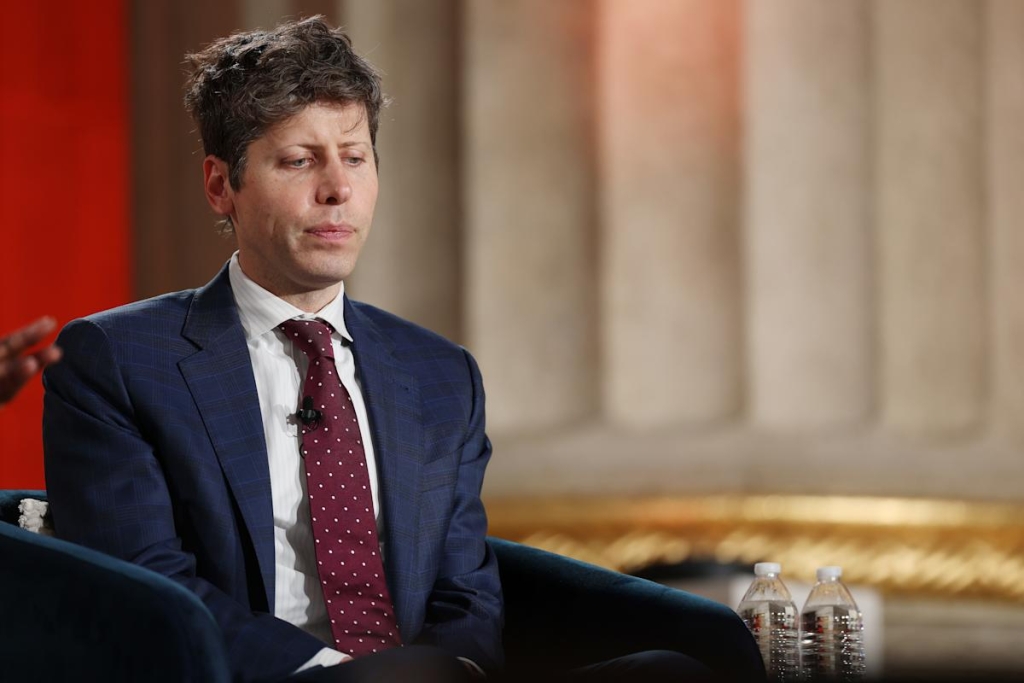
Molotov Attack on OpenAI CEO Sam Altman’s Home Sparks Outrage and Raises Questions About AI’s Growing Backlash
In a shocking early morning incident that has sent ripples through Silicon Valley and beyond, San Francisco police arrested a 20-year-old man who allegedly hurled a Molotov cocktail at the residence of OpenAI CEO Sam Altman. The attack, which occurred around 4:12 AM PT in San Francisco’s North Beach neighborhood, marks a disturbing escalation in the growing tensions surrounding artificial intelligence and its impact on society.
According to the San Francisco Police Department, officers responded to reports of a fire at an exterior gate of Altman’s home. Witnesses reported seeing an unidentified male subject throw what authorities described as an “incendiary destructive device” before fleeing the scene on foot. In a twist of fate, the suspect was apprehended approximately an hour later at OpenAI’s headquarters in San Francisco, where he had allegedly threatened to burn down the building.
The incident has sent shockwaves through the tech community and raised serious questions about the safety of prominent figures in the AI industry. OpenAI quickly released a statement confirming the attack and expressing gratitude for the swift response of law enforcement. “Early this morning, someone threw a Molotov cocktail at Sam Altman’s home and also made threats at our San Francisco headquarters. Thankfully, no one was hurt,” an OpenAI spokesperson told Wired. “We deeply appreciate how quickly SFPD responded and the support from the city in helping keep our employees safe. The individual is in custody, and we’re assisting law enforcement with their investigation.”
This brazen attack on Altman comes at a time of increasing scrutiny and backlash against artificial intelligence and its rapid integration into various aspects of daily life. As AI technology becomes more sophisticated and ubiquitous, public sentiment appears to be shifting from curiosity and excitement to concern and, in some cases, outright hostility.
The gaming industry, for instance, has seen a growing backlash against AI-powered features like NVIDIA’s DLSS (Deep Learning Super Sampling) technology. Gamers have expressed frustration with what they perceive as a loss of authenticity and control in their gaming experiences. The debate has become so heated that some industry experts are questioning whether AI enhancements are enhancing or detracting from the gaming experience.
Customer service is another area where AI’s encroachment has met with significant resistance. As more companies implement AI chatbots and automated systems to handle customer inquiries, reports of frustration and dissatisfaction have mounted. A recent CNBC investigation revealed that many consumers are finding AI-driven customer service interactions to be impersonal, ineffective, and often more time-consuming than traditional human-led support.
Perhaps most concerning for many observers is the potential impact of AI on employment. Sam Altman himself has warned about the technology’s potential to cause major job losses across various industries. In a recent interview, Altman predicted that AI could lead to significant disruptions in the job market, particularly affecting white-collar workers in fields such as finance, law, and even software development.
These warnings have done little to assuage public fears, however. A recent study by Atlassian found that while AI usage is on the rise in organizations, many are not seeing the promised gains in productivity or efficiency. This disconnect between expectations and reality has contributed to growing skepticism about the benefits of AI technology.
Adding fuel to the fire is a
,

Leave a Reply
Want to join the discussion?Feel free to contribute!