
A Microscopic Coral Trick Could Help Save the Great Barrier Reef
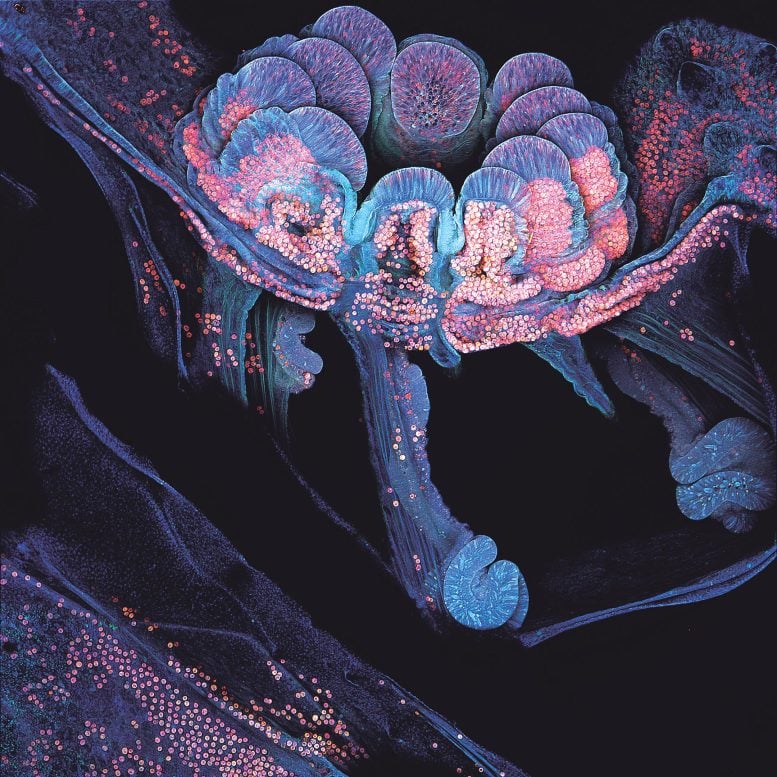
Groundbreaking Discovery: How Corals Secure Themselves Could Be the Key to Saving the Great Barrier Reef
In a landmark scientific breakthrough, researchers at Queensland University of Technology (QUT) have uncovered the intricate biological mechanisms that allow corals to anchor themselves to reef surfaces. This discovery, which delves into the microscopic world of coral biology, could revolutionize coral reef restoration efforts and provide a lifeline for the endangered Great Barrier Reef.
Coral reefs, often referred to as the “rainforests of the sea,” are among the most biodiverse ecosystems on Earth. However, they are under severe threat from climate change, ocean acidification, pollution, and overfishing. The Great Barrier Reef, the world’s largest coral reef system, has experienced multiple mass bleaching events in recent years, raising alarms about its long-term survival. Now, a new study offers a glimmer of hope by revealing how corals attach themselves to reefs—a process that could be harnessed to enhance restoration strategies.
The Science Behind Coral Attachment
The research team at QUT, led by marine biologist Dr. Emily Wang, focused on the early stages of coral development, specifically the process by which coral larvae settle and attach to reef surfaces. This critical phase determines whether a coral will survive and grow into a mature colony. The team discovered that coral attachment is a multi-step process involving a complex interplay of biological and environmental factors.
Step 1: Larval Settlement
Coral larvae, known as planulae, are free-swimming organisms that drift in the ocean until they find a suitable surface to settle on. The researchers found that larvae are attracted to specific chemical cues released by healthy reef surfaces, such as algae and other microorganisms. These cues act as a “welcome mat,” guiding the larvae to their new home.
Step 2: Surface Recognition
Once a larva identifies a potential settlement site, it uses specialized sensory cells to assess the surface’s suitability. The study revealed that corals are highly selective, preferring surfaces that are rough, porous, and rich in nutrients. This selectivity ensures that the larvae settle in environments where they are most likely to thrive.
Step 3: Secretion of Adhesive Proteins
After identifying a suitable surface, the larva secretes a sticky substance containing adhesive proteins. These proteins form a strong bond between the larva and the reef surface, anchoring it in place. The researchers identified several key proteins involved in this process, including one that acts as a “biological glue,” providing exceptional strength and durability.
Step 4: Metamorphosis and Growth
Once attached, the larva undergoes metamorphosis, transforming into a juvenile coral polyp. Over time, the polyp grows and divides, eventually forming a new coral colony. The study found that the strength of the initial attachment plays a crucial role in the coral’s long-term survival, as it determines the colony’s ability to withstand environmental stressors such as strong currents and storms.
Implications for Coral Reef Restoration
The findings of this study have significant implications for coral reef restoration efforts. By understanding the biological mechanisms that enable corals to attach to reefs, scientists can now develop more effective strategies for restoring damaged or degraded reefs. For example, restoration projects could focus on cultivating coral species that are particularly adept at attaching to surfaces, increasing the likelihood of successful reef recovery.
Dr. Wang emphasized the importance of this discovery, stating, “Our research provides a roadmap for enhancing coral restoration efforts. By identifying the key factors that influence coral attachment, we can develop targeted interventions that give corals the best chance of survival.”
The study also highlights the potential for using artificial substrates in reef restoration. By designing surfaces that mimic the chemical and physical properties of natural reef substrates, scientists could create “coral-friendly” environments that encourage larval settlement and attachment.
A Ray of Hope for the Great Barrier Reef
The Great Barrier Reef, which stretches over 2,300 kilometers along the coast of Queensland, Australia, is a UNESCO World Heritage Site and one of the most iconic natural wonders of the world. However, it has suffered significant damage in recent years due to rising sea temperatures, which cause coral bleaching. During bleaching events, corals expel the symbiotic algae that provide them with nutrients, leaving them vulnerable to starvation and disease.
The discovery of the coral attachment process offers a new avenue for protecting and restoring the Great Barrier Reef. By focusing on species that are most likely to survive and thrive, restoration efforts can be more targeted and effective. Additionally, the findings could inform the development of new technologies, such as artificial reefs or coral nurseries, that support the recovery of damaged ecosystems.
The Road Ahead
While this discovery is a significant step forward, the researchers caution that it is not a silver bullet for saving coral reefs. Addressing the root causes of coral decline, such as climate change and pollution, remains critical. However, by combining this new knowledge with broader conservation efforts, there is hope that the Great Barrier Reef and other coral ecosystems can be preserved for future generations.
Dr. Wang and her team are now working on scaling up their research to test their findings in real-world restoration projects. They are also exploring ways to enhance the adhesive properties of coral larvae, potentially using biotechnology to create “super corals” that are more resilient to environmental stressors.
Conclusion
The discovery of how corals attach themselves to reefs is a testament to the power of scientific innovation and its potential to address some of the most pressing environmental challenges of our time. By unraveling the mysteries of coral biology, researchers are paving the way for more effective conservation strategies that could help save the Great Barrier Reef and other vulnerable coral ecosystems.
As the world grapples with the impacts of climate change, this research serves as a reminder that even the smallest organisms can hold the key to solving some of our biggest problems. The future of coral reefs may depend on our ability to harness the secrets of nature and use them to build a more sustainable world.
Tags and Viral Phrases:
- Coral reef restoration breakthrough
- How corals attach to reefs
- Great Barrier Reef survival
- Microscopic coral trick
- Coral larvae settlement process
- Biological mechanisms of coral attachment
- Saving endangered coral ecosystems
- QUT coral research discovery
- Coral adhesive proteins identified
- Climate change and coral reefs
- Artificial substrates for coral restoration
- Super corals for reef recovery
- Coral metamorphosis and growth
- Ocean acidification impact on corals
- Coral reef biodiversity hotspot
- Coral bleaching solutions
- Coral reef conservation innovation
- Marine biology breakthrough
- Coral reef ecosystem resilience
- Coral reef restoration technology
,


Leave a Reply
Want to join the discussion?Feel free to contribute!