
A New Smart Skin Changes Shape Texture and Appearance on Command
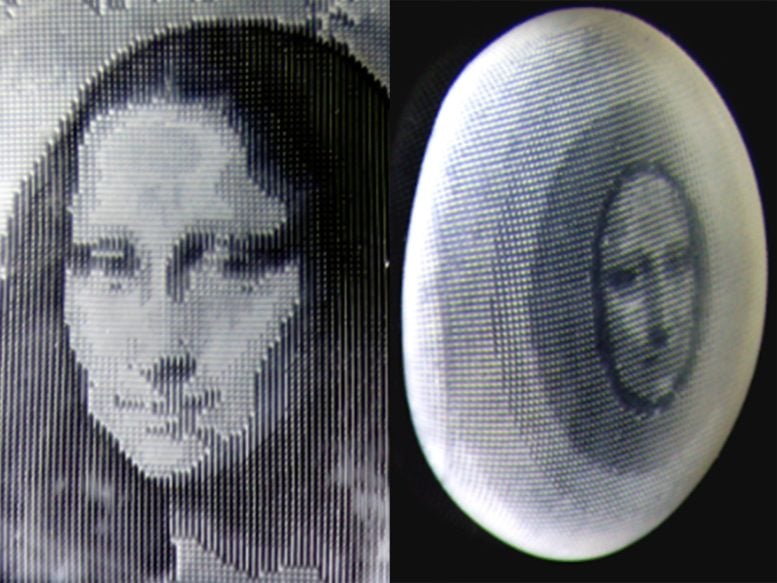
A New Smart Skin Changes Shape, Texture, and Appearance on Command — Inspired by Nature’s Masters of Disguise
In a breakthrough that blurs the line between science fiction and reality, researchers at Penn State University have unveiled a revolutionary smart skin material that can dynamically change its shape, texture, and appearance at will. Drawing inspiration from cephalopods — the ocean’s ultimate masters of disguise, such as octopuses and cuttlefish — this innovative material could redefine the future of adaptive surfaces, wearable technology, and even robotics.
Led by Hongtao Sun, assistant professor of industrial and manufacturing engineering at Penn State, the team has developed a synthetic material that mimics the extraordinary abilities of cephalopods to camouflage, communicate, and adapt to their environment. Unlike traditional synthetic materials, which are often limited to one or two functions, this smart skin is designed to be multifunctional, responsive, and highly versatile.
The Science Behind the Smart Skin
The material is composed of programmable, shape-shifting polymers embedded with micro-actuators and sensors. These components work in harmony to enable the skin to alter its physical properties in real time. For example, the skin can transition from a smooth surface to a textured one, change color to blend into its surroundings, or even reveal hidden patterns or messages when prompted.
The key to this innovation lies in the material’s ability to respond to external stimuli such as temperature, light, or electrical signals. By integrating advanced nanotechnology and biomimicry, the team has created a material that not only replicates the adaptive capabilities of cephalopods but also surpasses them in terms of precision and control.
Applications That Could Change the World
The potential applications of this smart skin are vast and varied. In the medical field, it could be used to create adaptive prosthetics that mimic the texture and appearance of human skin, or bandages that change color to indicate healing progress. In robotics, the material could enable machines to interact more naturally with their environment, enhancing their ability to navigate complex terrains or perform delicate tasks.
The military and defense sectors are also likely to take a keen interest in this technology. Imagine uniforms that can adapt to different environments, providing soldiers with instant camouflage or even displaying vital information on their surfaces. Similarly, in the consumer electronics industry, this smart skin could lead to the development of wearable devices that are not only functional but also aesthetically customizable.
A Step Toward Truly Adaptive Materials
This breakthrough represents a significant leap forward in the quest for truly adaptive materials. For decades, scientists have sought to create synthetic materials that can rival the complexity and versatility of natural systems. With this smart skin, the Penn State team has taken a major step in that direction.
“We wanted to create a material that could do more than just one thing,” said Professor Sun. “By studying the incredible abilities of cephalopods, we were able to design a material that is not only functional but also intelligent and responsive.”
The Future of Smart Materials
As research continues, the possibilities for this technology are virtually limitless. Future iterations of the smart skin could incorporate even more advanced features, such as self-healing capabilities or the ability to harvest energy from the environment. The integration of artificial intelligence could further enhance its responsiveness, allowing the material to learn and adapt to its surroundings over time.
While there are still challenges to overcome — such as scaling up production and ensuring durability — the potential impact of this innovation is undeniable. From healthcare to defense, from robotics to consumer electronics, the applications of this smart skin could transform industries and improve lives in ways we are only beginning to imagine.
Tags and Viral Phrases:
- Octopus-inspired smart skin
- Shape-shifting materials
- Cephalopod camouflage technology
- Adaptive surfaces
- Wearable tech revolution
- Futuristic materials science
- Bio-inspired engineering
- Smart skin breakthroughs
- Nanotechnology meets nature
- Next-gen robotics
- Military-grade camouflage
- Self-changing textures
- Intelligent materials
- Science fiction becomes reality
- Penn State innovation
- Hongtao Sun research
- Transformative technology
- Adaptive prosthetics
- Color-changing materials
- Hidden patterns revealed
- Stimuli-responsive polymers
- Micro-actuator technology
- Biomimicry in engineering
- Future of synthetic materials
- Smart skin applications
- Environmental adaptation
- Cutting-edge research
- Game-changing innovation
- Versatile synthetic materials
- Science and nature fusion
- Revolutionary material design
- Dynamic surface technology
- Responsive polymers
- Advanced nanotechnology
- Multifunctional materials
- Smart skin for robotics
- Medical breakthroughs
- Defense technology
- Consumer electronics innovation
- Self-healing materials
- AI-integrated materials
- Energy-harvesting surfaces
- Scalable smart materials
- Durable adaptive surfaces
- Industry-transforming tech
- Life-changing applications
- Limitless possibilities
,


Leave a Reply
Want to join the discussion?Feel free to contribute!