
A poor surprise reveal for Highguard leaves it fighting an uphill battle for good reviews | Games
Highguard’s Rocky Launch: A Cautionary Tale for Aspiring Online Multiplayer Games
In the high-stakes arena of video game development, where fortunes are made and lost in the blink of an eye, the launch of a new title can make or break a studio. The recent release of Highguard by Wildlight Entertainment serves as a stark reminder of the unforgiving nature of the gaming industry, where even the most promising projects can stumble out of the gate.
The Weight of Expectations
Highguard entered the scene with a pedigree that would make any studio envious. Formed by former Respawn Entertainment staff—the minds behind Titanfall, Call of Duty, and the surprise hit Apex Legends—Wildlight Entertainment seemed poised for success. The studio’s approach to launching Highguard was ambitious: a surprise reveal at The Game Awards, followed by an immediate release. This strategy had worked wonders for Apex Legends, which continues to thrive six years after its unexpected debut on February 4, 2019.
However, the execution of Highguard‘s launch was anything but smooth. The game’s reveal trailer, which closed The Game Awards in December, left many viewers puzzled. Most were expecting a major announcement from industry giants like Hideo Kojima or perhaps a teaser for Grand Theft Auto VI. Instead, they were presented with a brief look at a fantasy-themed online shooter that was virtually unknown. The reception was lukewarm at best, with Forbes reporting that the early buzz for Highguard was “quite poor.”
The Perfect Storm of Missteps
The decision to reveal Highguard at The Game Awards was not part of Wildlight’s original plan. The studio had intended to follow in Apex Legends‘ footsteps with a surprise launch. However, Geoff Keighley, the organizer of The Game Awards, played the game, enjoyed it, and offered Wildlight a coveted slot at the show. Unable to refuse such an opportunity, the team agreed, but with hindsight, this decision may have been their first misstep.
The trailer’s oblique nature and the game’s sudden appearance on the scene left many potential players confused and unimpressed. In the fast-paced world of gaming, where hype can make or break a title, this lackluster introduction set a negative tone that the game has struggled to overcome.
A Unique Blend of Genres
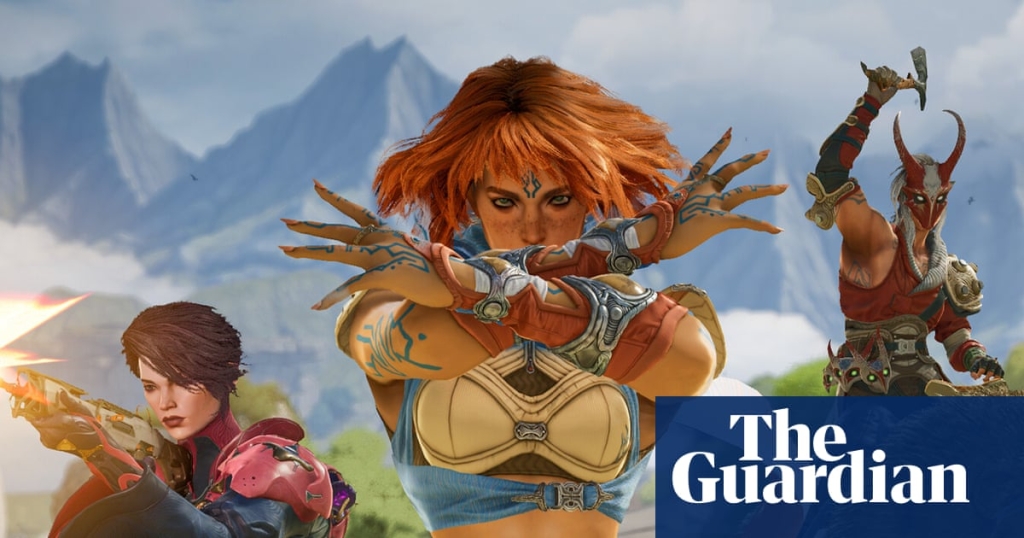
Despite the rocky start, Highguard offers an intriguing gameplay experience that blends elements of online shooters and MOBAs (Multiplayer Online Battle Arenas). Players are divided into teams of three, each selecting from a roster of uniquely skilled hero characters. The objective is to destroy the opposing team’s base while defending your own.
The game unfolds in distinct phases: fortification of your castle, exploration for loot and power-ups, and finally, intense combat. This structure creates a dynamic experience that feels like playing multiple games in one. The fantasy/mythological aesthetic adds a layer of charm, with players riding spirit horses and wielding fantastical abilities like lightning bolts and ice walls. However, the inclusion of shotguns and assault rifles creates a peculiar fusion of Call of Duty and a Ray Harryanne movie.
Wildlight Entertainment has inherited Respawn’s talent for designing smooth, kinetic play spaces. In Highguard, movement is fluid and intuitive, with seamless transitions between running, sliding, climbing, and leaping. This attention to detail in traversal is a testament to the studio’s experience and expertise.
The Aftermath of a Botched Reveal
The consequences of Highguard‘s poorly received reveal have been swift and severe. Almost immediately after launch, negative reviews began flooding the game’s Steam page. Players complained about visual performance issues and long queue times to join matches—a particularly harsh criticism for a game that had only been online for a few hours. The gaming community, known for its harsh judgments and long memories, has been unforgiving.
Despite attracting around 100,000 players on its first day—a respectable number for a newcomer in the crowded online multiplayer space—Highguard faces an uphill battle. The online shooter market has become increasingly competitive and unforgiving, with many promising titles failing to gain traction. Games like Concord, Hyenas, and Battleborn have all fallen by the wayside, their remains scattered across the battlefield of failed competitors.
Adding to the challenge is the looming presence of Valve’s Deadlock, a Moba-inspired online team game currently in development. Early reactions to the closed beta tests have been positive, and Valve is not a rival any studio wants to face.
The High Stakes of Online Gaming
The allure of the online multiplayer space is undeniable. Fortnite generates approximately $5 billion in annual revenue, and Battlefield 6 was one of the best-selling games of 2025. However, the risks are equally substantial. Development and marketing costs can run into hundreds of millions of dollars, and the market is notoriously volatile and unpredictable.
For the Highguard team, the path forward is fraught with challenges. They are banking on players staying engaged for months, building a dedicated community, and maintaining high concurrent player numbers. However, overcoming the hurdle of a botched reveal will require a Herculean effort.
The Future of Online Shooters
As I reflect on Highguard‘s struggles, I can’t help but wonder about the future of online shooters. The next mega-hit in this genre won’t be a Frankenstein’s monster, stitched together from recognizable parts of previous successes. Instead, it will be something wild, fresh, and new—a Godzilla emerging from the depths of the game-development ocean, unexpected and bizarre, covered in seaweed.
Whatever this game may be, it won’t get the end slot at The Game Awards. It will come out of nowhere, catching the industry off guard and redefining what we expect from online multiplayer experiences.
What to Play: Cairn
For those seeking a different kind of challenge, Cairn offers a unique and thoughtful experience. This mountain-climbing game puts you in control of Aava, a determined climber attempting to summit the forbidding Kami mountain. The gameplay involves moving Aava’s individual limbs to find hand and footholds in the cliff faces—a process that is both beautiful and occasionally frustrating.
As you progress, you’ll find yourself questioning Aava’s obsession with reaching the summit, much like you might question your own obsession with playing the game. Cairn is a reflection on determination, patience, and the human drive to conquer the unconquerable. Look out for a full review on The Guardian tomorrow.
Available on: PS5, PC, Xbox
Estimated playtime: 10-15 hours (for one epic climb)
What to Read
-
Pantaloon’s Bold Move: According to GamesIndustry.biz, the unique newsletter-based indie games publisher Pantaloon has secured £150k to invest in new titles. Pantaloon offers its premium subscribers access to a range of new games for £3.99 a month. Co-founder Jamin Smith stated, “We’re trying to invite risk back into the equation, find weirder, more wonderful, more creatively refreshing work that we can put our names to.”
-
Virtual Boy Makes a Comeback: Nintendo is bringing the headache-inducing retro system to the Nintendo Switch and Switch 2, complete with replica accessories and downloadable games. The lineup of digital titles will include an unreleased sequel to classic racer F-Zero named Zero Racers. You’ll need a subscription to the Nintendo Switch Online service to play it, but this is a fascinating and rare chance to play a Nintendo game that never made it to the shelves. Also coming is platforming adventure, D-Hopper which was cancelled due to the demise of the Virtual Boy. Just make sure to have painkillers to hand.
-
The Rhythms of Animal Crossing: The pleasure of watching seasons pass in Animal Crossing is the theme of this lovely piece by journalist and author Jay Castello. Although you could feasibly skip the game’s fallow winter periods, having patience and embracing the darkness is part of the game’s slow charm.
What to Click
Question Block
Baby Steps
Keza answers this week’s question from reader Caitlin:
“I am endlessly thinking about games that take gamer expectations and use them in some way to enhance or subvert the experience – like Tunic, which plays with nostalgia for game manuals and secrets from the SNES days, or Inscryption, or Alan Wake 2. In each case there’s a way you think the game should go, and then the designers use your own gaming literacy to challenge those expectations. Can you say more about this small wave of games?”
This is also a favorite mini-genre of mine, as someone who for both professional and personal reasons has played really a lot of video games. One of the first games like this I ever played was Shadow of the Colossus. Go kill the big monster, the game tells you, as hundreds of games had before. Then you find the first colossus, and it’s just peacefully wandering around. You climb it and slay it, and there’s no fanfare for you. The creature crumples and dies. I felt a little bit sick. Spec Ops: The Line was also famous for doing this: telling the player to kill, then inviting them to feel awful about it. But as you point out, there are plenty more ways to subvert player expectations now. Frog Fractions is a classic; if you know nothing about this game, that’s perfect, just play it. The Stanley Parable was a great comedy-ish entry in this tradition, as is Undertale. And then there’s the recent run of games – Indika, Baby Steps – that mock you and your “gamer brain”. Never forget that Zelda: Breath of the Wild awards you with a poop-shaped trophy if you go to the immense trouble of finding every single Korok seed in the game. KM
If you’ve got a question for Question Block – or anything else to say about the newsletter – email us on [email protected].
Tags
- Highguard
- Wildlight Entertainment
- Online multiplayer games
- Game launch failures
- Respawn Entertainment
- Apex Legends
- The Game Awards
- MOBA games
- Video game industry
- Gaming community
- Steam reviews
- Online shooter market
- Game development risks
- Nintendo Switch
- Virtual Boy
- Cairn game
- Pantaloon publisher
- Animal Crossing
- Question Block
- Keza MacDonald
- Gaming expectations
- Game subversion
- Shadow of the Colossus
- Spec Ops: The Line
- Frog Fractions
- The Stanley Parable
- Undertale
- Indika
- Baby Steps
- Zelda: Breath of the Wild
Viral Sentences
- “Is this another one of your masochist games?”
- “We’re trying to invite risk back into the equation, find weirder, more wonderful, more creatively refreshing work that we can put our names to.”
- “Never forget that Zelda: Breath of the Wild awards you with a poop-shaped trophy if you go to the immense trouble of finding every single Korok seed in the game.”
- “The pleasure of watching seasons pass in Animal Crossing is the theme of this lovely piece by journalist and author Jay Castello.”
- “The next mega-hit in this genre won’t be a Frankenstein’s monster, stitched together from recognizable parts of previous successes.”
- “It will come out of nowhere, catching the industry off guard and redefining what we expect from online multiplayer experiences.”
- “You have to wonder how destructive that unexpected Game Awards teaser was – the gamer community can be incredibly judgmental and they have long, bitter memories.”
- “The gaming community, known for its harsh judgments and long memories, has been unforgiving.”
- “The online shooter market has become increasingly competitive and unforgiving, with many promising titles failing to gain traction.”
- “For the Highguard team, the path forward is fraught with challenges.”
,

Leave a Reply
Want to join the discussion?Feel free to contribute!