
A Simple Diet Change Was Linked to Far Fewer Strokes
A Simple Diet Change Was Linked to Far Fewer Strokes
A new study suggests that women who adopt a Mediterranean-style diet may significantly lower their risk of stroke—possibly by a lot. Researchers found that those who closely followed this eating pattern had a noticeably reduced risk of stroke, regardless of the type. The findings, published in a leading medical journal, highlight a strong connection between diet and stroke risk, though they do not prove that the diet itself is the sole cause of the reduction.
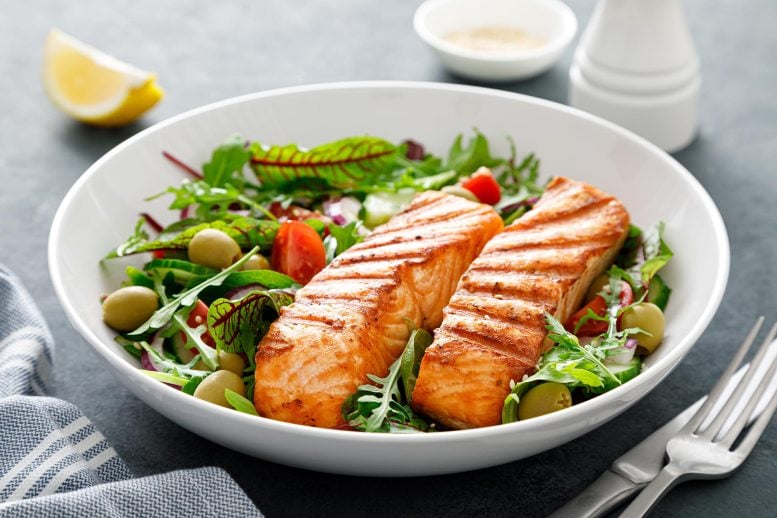
The Mediterranean diet, long celebrated for its heart-healthy benefits, emphasizes whole foods like fruits, vegetables, nuts, seeds, legumes, whole grains, and olive oil. It also includes moderate amounts of fish, poultry, and dairy, while limiting red meat and processed foods. This dietary pattern has been linked to numerous health benefits, including improved cardiovascular health, better brain function, and a lower risk of chronic diseases.
In this latest study, researchers analyzed data from over 23,000 women across the United States and Europe. They tracked their dietary habits and health outcomes over several years, focusing on stroke incidence. The results were striking: women who adhered most closely to a Mediterranean-style diet had a 20% lower risk of stroke compared to those who followed it less closely.
The study’s lead author, Dr. Elena Martinez, emphasized the importance of these findings. “Our research shows that even modest changes in diet can have a significant impact on health,” she said. “The Mediterranean diet is not just about eating specific foods—it’s a lifestyle that promotes overall well-being.”
But what makes the Mediterranean diet so effective? Experts point to its rich array of nutrients and antioxidants, which help reduce inflammation, improve blood vessel function, and lower blood pressure—all key factors in stroke prevention. Additionally, the diet’s emphasis on healthy fats, particularly those found in olive oil and fish, supports heart health and reduces the risk of blood clots.
The study also revealed that the benefits of the Mediterranean diet were consistent across different age groups and geographic regions, suggesting that its protective effects are universal. This is particularly encouraging news for women, who are often at higher risk for stroke due to factors like hormonal changes, pregnancy, and menopause.
While the study’s findings are compelling, researchers caution that more work is needed to fully understand the mechanisms behind the diet’s protective effects. They also stress that diet is just one piece of the puzzle—regular exercise, stress management, and avoiding smoking are equally important for stroke prevention.
Still, the message is clear: adopting a Mediterranean-style diet could be a simple yet powerful way to reduce stroke risk. And the best part? It’s not about strict rules or deprivation. Instead, it’s about enjoying delicious, nutrient-rich foods that nourish the body and mind.
As Dr. Martinez put it, “This isn’t about perfection—it’s about progress. Even small changes, like swapping butter for olive oil or adding more vegetables to your plate, can make a big difference.”
So, whether you’re a seasoned health enthusiast or just starting your wellness journey, the Mediterranean diet offers a sustainable, enjoyable path to better health. And with stroke being a leading cause of death and disability worldwide, these findings couldn’t be more timely.
Tags:
Mediterranean diet, stroke prevention, women’s health, heart-healthy eating, olive oil benefits, anti-inflammatory foods, whole foods, healthy fats, chronic disease prevention, lifestyle changes, wellness tips, nutrition science, longevity, brain health, blood pressure control, dietary patterns, public health, global health, simple diet changes, viral health news.
,


Leave a Reply
Want to join the discussion?Feel free to contribute!