
A Year After Starship’s Debris Rained Over the Caribbean, SpaceX Returns to the Bahamas
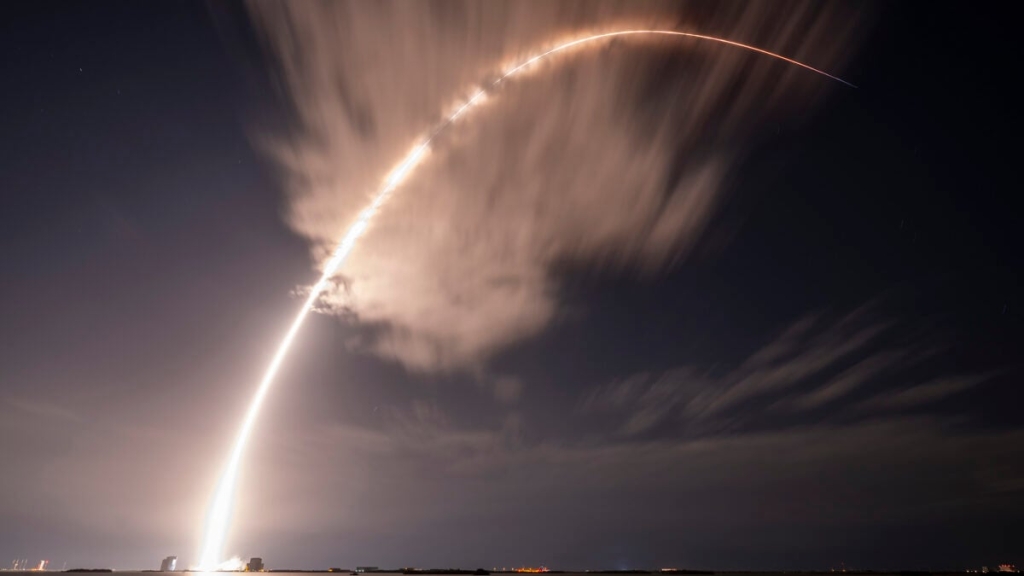
SpaceX Set to Resume Falcon 9 Landings in Bahamian Waters After Year-Long Suspension
In a dramatic return to a once-banned flight corridor, SpaceX is preparing to launch a Falcon 9 rocket from Cape Canaveral Space Force Station in Florida on Wednesday, February 18, 2026, with plans to land its first-stage booster in the waters off the Bahamas. The mission, a routine Starlink satellite deployment, marks the first time since March 2025 that the aerospace giant has been granted permission to execute this trajectory—one that had been suspended following a high-profile Starship mishap that scattered debris across the Caribbean.
The Civil Aviation Authority of The Bahamas officially cleared the launch and landing, according to reports from the Jamaica Observer. The approval comes after months of environmental review and public debate, reopening a path that had been closed for nearly a full year.
The Fallout from Starship’s Explosive Test
The suspension traces back to March 6, 2025, when SpaceX’s Starship vehicle lifted off for its eighth integrated test flight. What began as a routine high-altitude trial quickly turned into a high-stakes failure when a hardware malfunction in one of the Raptor engines triggered a cascade of events. The upper stage began tumbling uncontrollably, ultimately disintegrating and raining fiery debris over the Bahamas, Turks and Caicos, and parts of Florida’s eastern coastline.
The incident not only disrupted commercial air traffic but also triggered an immediate response from Bahamian authorities. Director of Communications Latrae Rahming announced that all SpaceX Falcon 9 rocket landings would be suspended pending a full environmental assessment. “No further clearances will be granted until a full environmental assessment is reviewed,” Rahming stated in a post on X (formerly Twitter).
A Year in Review: The Pause and the Pushback
For nearly 12 months, SpaceX’s Falcon 9 rockets have launched from Florida but have been forced to return to landing zones on the U.S. East Coast or on drone ships stationed closer to shore. The pause in Bahamian landings represented a significant operational shift for SpaceX, which had been eyeing the region as a strategic recovery zone to streamline its rapid reusability model.
However, the suspension also ignited a fierce debate among Bahamian citizens and environmental advocates. Joe Darville, a representative from the environmental group Save The Bays, expressed frustration over the government’s decision to reinstate approvals. “After the incidents that took place in our waters and in the Turks and Caicos, I assumed any such approval would have been suspended for a long time,” Darville told Eyewitness News. “We have no right to gamble with our ocean—these rockets are not guaranteed accident-free, and the risks to our waters and marine life are real.”
The concerns are not unfounded. Rockets, even when landing successfully, introduce variables that can affect marine ecosystems: noise pollution, vibrations, atmospheric disturbances, and potential seabed disruption from marine operations. Environmentalists argue that the cumulative effects of repeated launches and landings warrant a more cautious approach.
Falcon 9’s Track Record vs. Starship’s Volatility
It’s worth noting that while Starship’s test flights have been marred by high-profile failures, SpaceX’s Falcon 9 rocket has established itself as one of the most reliable launch vehicles in the industry. With over 300 successful missions and a high rate of first-stage recovery, Falcon 9’s operational profile is far less volatile than Starship’s experimental nature.
Still, the shadow of the Starship incident looms large. The Bahamian government’s decision to resume landings came only after an environmental assessment concluded that the risks could be managed. Yet, for many residents, the calculus remains fraught. An opinion piece in The Nassau Guardian captured the sentiment: “The question is not whether The Bahamas should participate in the space economy. The question surrounds the terms in which we participate that will protect what cannot be replaced.”
The Strategic Importance of the Bahamas Landing Corridor
For SpaceX, the ability to land boosters in Bahamian waters represents more than just a return to form—it’s a logistical advantage. The trajectory allows for optimized fuel usage and quicker turnaround times, both critical factors in SpaceX’s mission to make spaceflight more economical and frequent. By expanding its recovery zones, the company can increase launch cadence without being bottlenecked by limited landing sites.
The last time a Falcon 9 flew this path was exactly one year ago, on February 18, 2025, when SpaceX completed a test landing of its first stage in Bahamian waters. At the time, the company had ambitions to land up to 20 Falcon 9 rockets in the Bahamas throughout 2025. That goal was derailed by the Starship incident, but with the green light now restored, those plans may once again be back on the table.
What’s Next?
As the February 18 launch window approaches, all eyes will be on both the skies and the seas. The mission will not only test SpaceX’s engineering precision but also the Bahamian government’s assurances that environmental safeguards are sufficient. For local communities, it’s a moment of cautious optimism mixed with lingering apprehension.
Whether this marks the beginning of a new era of Caribbean space operations or a flashpoint for environmental advocacy remains to be seen. What is certain is that the intersection of aerospace ambition and ecological stewardship has never been more scrutinized—and the outcome of this launch could set the tone for future collaborations between private space companies and island nations.
Tags: SpaceX, Falcon 9, Starship, Bahamas, rocket landing, Cape Canaveral, Starlink, space debris, environmental assessment, aerospace, commercial spaceflight, Caribbean, reusable rockets, space economy, marine environment, Raptors engine failure, debris shower, Turks and Caicos, FAA, space launch, orbital recovery, environmental impact, space policy, space tech news
Viral Sentences:
- SpaceX is back in the Bahamas—but not everyone’s cheering.
- After a year-long ban, Falcon 9 rockets return to Caribbean waters.
- Debris from a failed Starship test rained over the Bahamas last year.
- Bahamian authorities approve SpaceX landings after environmental review.
- Environmentalists warn: “We have no right to gamble with our ocean.”
- SpaceX’s Falcon 9 is reliable—but rockets still pose real risks.
- The space economy comes to the Bahamas—but at what cost?
- Will this launch mark a new era or a new controversy?
- From Cape Canaveral to the Caribbean: SpaceX’s bold flight path resumes.
- Local voices demand more than promises—they want protection.
,


Leave a Reply
Want to join the discussion?Feel free to contribute!