
ADHD Brains Show Strange Sleep-Like Activity During Everyday Tasks
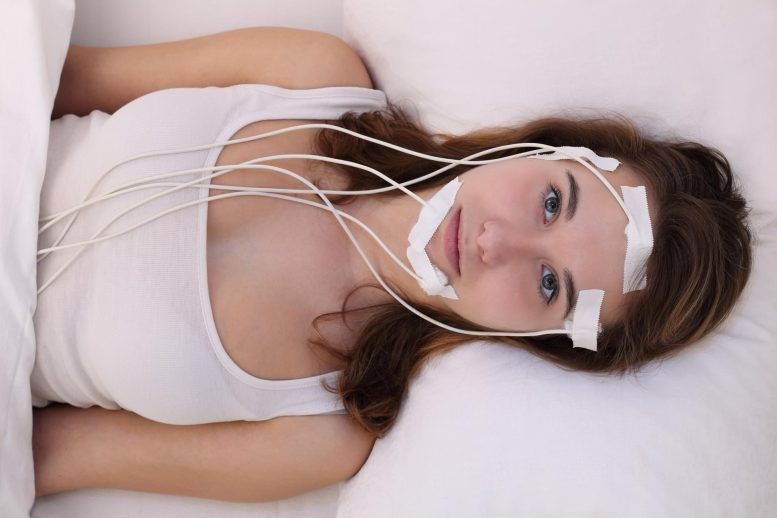
A groundbreaking new study is turning heads in neuroscience and offering fresh insight into why people with ADHD often struggle to stay their minds on track. Published in the respected journal JNeurosci, the research—led by Elaine Pinggal and her team at Monash University—reveals that the brains of individuals with ADHD may be slipping into brief, sleep-like states even while they’re wide awake.
It’s a discovery that could help explain the distractibility, mental fog, and difficulty sustaining attention that so many with ADHD experience on a daily basis. The team’s findings suggest that these short bursts of “micro-sleep” activity, which normally occur only during deep rest, can interrupt cognitive processes in the middle of everyday tasks—making it harder to stay focused, complete assignments, or follow conversations without drifting.
The researchers used advanced brain imaging and electroencephalography (EEG) to monitor neural activity in adults as they performed attention-demanding tasks. What they found was striking: participants with ADHD showed significantly more frequent episodes of slow-wave, sleep-like brain rhythms—patterns usually associated with deep, restorative sleep—while actively engaged in waking tasks. In other words, parts of their brains seemed to be “dozing off” even though they were fully conscious.
These micro-sleep intrusions, the study suggests, may disrupt the brain’s ability to maintain sustained attention, leading to the hallmark symptoms of ADHD: distractibility, impulsivity, and mental fatigue. This could also explain why people with ADHD often report feeling mentally drained after tasks that others find routine—their brains may be working overtime just to stay “on.”
What makes this finding especially compelling is its potential to reshape how we understand and treat ADHD. Rather than viewing inattention as simply a lack of willpower or discipline, this research points to a neurological basis: the brain’s arousal systems may be more prone to slipping into low-energy states, even in situations that demand high alertness.
The implications extend beyond diagnosis. If these sleep-like bursts can be detected and measured, they might serve as a biomarker for ADHD, offering a more objective way to identify the condition. There’s also exciting potential for new treatments—perhaps targeting these micro-sleep intrusions directly, or developing interventions that help stabilize brain activity during waking hours.
While the study focused on adults, the findings could have important ramifications for children and adolescents with ADHD, whose developing brains may be even more susceptible to these disruptions. Future research will likely explore how these patterns change over time, and whether they can be modified through behavioral therapy, medication, or even neurofeedback techniques.
For now, this discovery adds a powerful new piece to the puzzle of ADHD—one that could help millions of people better understand their own minds, and give clinicians new tools to support them. It’s a reminder that the line between sleep and wakefulness is more porous than we thought, and that even in the middle of a busy day, our brains might be sneaking off for a quick nap.
#ADHD #Neuroscience #Brainwaves #Attention #Focus #MentalHealth #SleepScience #Neurotechnology #CognitiveScience #MicroSleep #JNeurosci #MonashUniversity #AttentionDeficit #BrainResearch #ViralScience #NeuroDiscovery #MentalWellness #ScienceNews #ADHDAwareness #BrainHealth
– sleep-like brain activity
– ADHD focus problems
– micro-sleep in waking brain
– attention deficit mystery solved
– brain arousal systems
– neuroscience breakthrough
– cognitive fatigue
– brainwave disruptions
– mental fog explained
– sleep intrusions ADHD
– brain imaging study
– JNeurosci research
– Monash University findings
– ADHD treatment potential
– brain biomarker discovery
– neurofeedback possibilities
– sleep-wake boundary blurred
– viral science news
– mind wandering science
– cognitive neuroscience,
Leave a Reply
Want to join the discussion?Feel free to contribute!