
AI Can Mass-Unmask Pseudonymous Accounts, Research Paper Finds
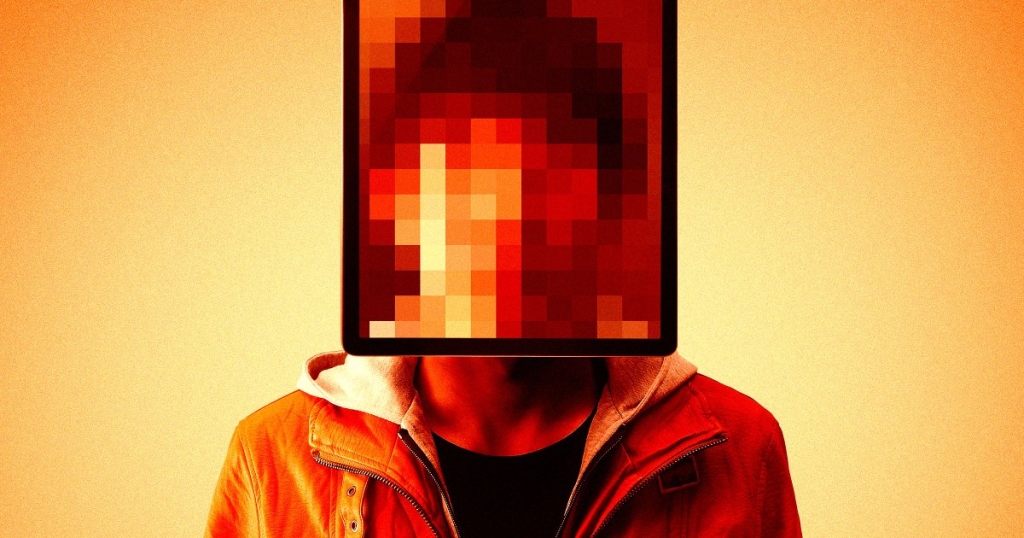
The End of Online Anonymity: AI Can Now Unmask Pseudonymous Users With Startling Accuracy
The internet as we know it may be facing a fundamental privacy crisis. For decades, pseudonymous accounts have provided millions of users with a crucial shield—allowing them to express opinions, share experiences, and participate in online communities without fear of personal exposure. But groundbreaking research reveals that artificial intelligence has shattered this long-standing privacy assumption, making it possible to unmask pseudonymous users at an unprecedented scale.
The Privacy Paradox We Never Saw Coming
Think about your favorite online forum, Reddit thread, or social media discussion. That username you’ve grown accustomed to? The witty handle that’s become your digital identity? According to cutting-edge research from ETH Zurich and Anthropic, those carefully crafted personas might be more transparent than you ever imagined.
In a world where we’ve grown comfortable sharing thoughts under the cloak of anonymity, researchers have demonstrated that large language models can now perform “at-scale deanonymization” with alarming effectiveness. This isn’t just a minor technical achievement—it represents a seismic shift in how we must understand online privacy.
The Numbers That Will Keep You Up at Night
Here’s the truly shocking part: when researchers deployed their AI system to identify pseudonymous users, it successfully unmasked approximately two-thirds of them. Let that sink in. Two out of every three people who believed they were speaking freely under the protection of a pseudonym were actually identifiable.
To put this in perspective, what would have taken a dedicated human investigator hours to accomplish—sifting through countless posts, cross-referencing information, and piecing together identities—can now be done by an AI in a fraction of the time, and at a scale that’s almost incomprehensible.
How It Works: The AI Detective That Never Sleeps
The methodology behind this breakthrough is both fascinating and deeply concerning. Researchers collected publicly available data from platforms like Hacker News and Reddit, then created anonymized versions by removing obvious identifying information. They then trained large language models to connect the dots between seemingly unrelated pieces of information.
What makes this particularly effective is the AI’s ability to recognize patterns that humans might miss. It can detect subtle writing styles, recurring topics of interest, specific knowledge domains, and even the way people structure their thoughts—all of which serve as digital fingerprints.
The Movie Buff Test: When Passion Becomes a Liability
One of the most striking findings came from analyzing Reddit communities dedicated to movies. The more users discussed films—sharing opinions, analyzing plots, debating directors—the easier it became for the AI to identify them. Your passion for independent cinema or your detailed knowledge of 1970s horror films? That’s not just conversation anymore; it’s data that can be used to build a profile.
Even more concerning, when the AI was fed extremely general information—like responses to surveys about how people use AI in their daily lives—it could still identify individuals about seven percent of the time. While seven percent might sound modest, the researchers emphasized that the mere fact AI can accomplish this at all represents a fundamental shift in what’s possible.
The Limitations (That Don’t Make You Feel Much Better)
Before you breathe a sigh of relief, let’s be clear about what the researchers discovered. Yes, there are limitations to this technology. The sample sets are relatively small because they require verified identity links. It’s also challenging to determine exactly what information the AI is gathering versus what’s coming from web searches.
But here’s the thing: these limitations are technical hurdles, not fundamental barriers. As AI technology continues to advance and datasets grow larger, these constraints will likely diminish. The core capability—that AI can deanonymize pseudonymous users with surprising accuracy—has already been proven.
The Privacy Apocalypse We Didn’t See Coming
The implications of this research extend far beyond academic curiosity. We’re looking at a fundamental restructuring of online privacy that affects everyone from casual social media users to political dissidents.
Governments could potentially use this technology to identify and track political opponents, journalists, or activists who rely on pseudonymous accounts for protection. Corporations could connect anonymous forum posts to customer profiles, enabling hyper-targeted advertising that feels invasive on a whole new level. Cybercriminals could build sophisticated profiles of potential victims for highly personalized social engineering scams.
The democratization of deanonymization means that what was once the exclusive domain of well-funded organizations—the ability to unmask anonymous speakers—is now accessible to anyone with access to powerful AI systems.
The Death of the Internet We Knew
For years, we’ve operated under an implicit assumption: that pseudonymity provided adequate protection because the effort required to unmask someone was simply too great for most purposes. That assumption has been invalidated.
The researchers put it bluntly: “Users, platforms, and policymakers must recognize that the privacy assumptions underlying much of today’s internet no longer hold.” This isn’t a minor update to our understanding of online privacy—it’s a complete paradigm shift.
What This Means for You Right Now
If you’re reading this and feeling a sense of unease, you’re not alone. The reality is that most of us have built our online lives around the assumption of pseudonymity. We share opinions on sensitive topics, discuss personal experiences, and connect with communities under the belief that our real-world identities remain protected.
That protection is now, at best, severely compromised. Every post, every comment, every piece of content you’ve ever shared under a pseudonym could potentially be used to construct a profile that leads back to you.
The Path Forward: A Privacy Reckoning
This research doesn’t just highlight a technical achievement—it demands a fundamental rethinking of how we approach online privacy. We’re at a crossroads where we must decide whether to accept this new reality or to develop new protections and paradigms for online interaction.
The question isn’t whether AI can deanonymize users anymore—we know it can. The question is what we’re going to do about it. Will platforms implement new protections? Will users change their behavior? Will policymakers step in with regulations?
One thing is certain: the era of assumed online pseudonymity is over. The internet as we’ve known it—where you could speak freely under a digital mask—may be facing its final chapter.
This isn’t just a technological advancement; it’s a cultural and societal shift that will force us to reconsider everything we thought we knew about privacy, identity, and free expression in the digital age.
#OnlinePrivacy #AIEthics #DigitalSecurity #CyberSecurity #Anonymity #DataProtection #TechNews #PrivacyMatters #AIResearch #InternetFreedom #DigitalIdentity #OnlineSafety #PrivacyConcerns #TechEthics #FutureOfInternet
AI deanonymization breakthrough
End of online pseudonymity
Privacy assumptions invalidated
Large language model deanonymization
Hacker News Reddit privacy breach
ETH Zurich AI research
Anthropic privacy study
Online identity exposed
Digital privacy crisis
Internet anonymity dead
AI surveillance capabilities
Social media privacy risk
Pseudonymous accounts compromised
Online privacy revolution
AI can unmask anyone
Deanonymization at scale
Privacy technology failure
Internet freedom threatened
Digital rights under attack
AI privacy implications
Online safety compromised
Anonymity no longer exists
Privacy paradigm shift
Internet privacy broken
AI surveillance state
Digital identity crisis
Online freedom endangered
Privacy technology obsolete
Internet anonymity myth
AI privacy nightmare
Digital security collapse
Online privacy extinct
Internet freedom over
Privacy protection gone
AI privacy threat
Digital anonymity dead
Online privacy dead
Internet privacy gone
AI privacy crisis
Digital privacy nightmare
Online anonymity dead
Internet anonymity gone
Privacy protection dead
AI privacy apocalypse
Digital privacy over
Online privacy extinct
Internet privacy dead
AI privacy nightmare
Digital privacy crisis
Online privacy revolution
Privacy technology failure
Internet privacy broken
AI surveillance capabilities
Online identity exposed
Privacy assumptions invalidated
AI deanonymization breakthrough
End of online pseudonymity,


Leave a Reply
Want to join the discussion?Feel free to contribute!