
AI chatbot hype is real, but daily use at work remains limited
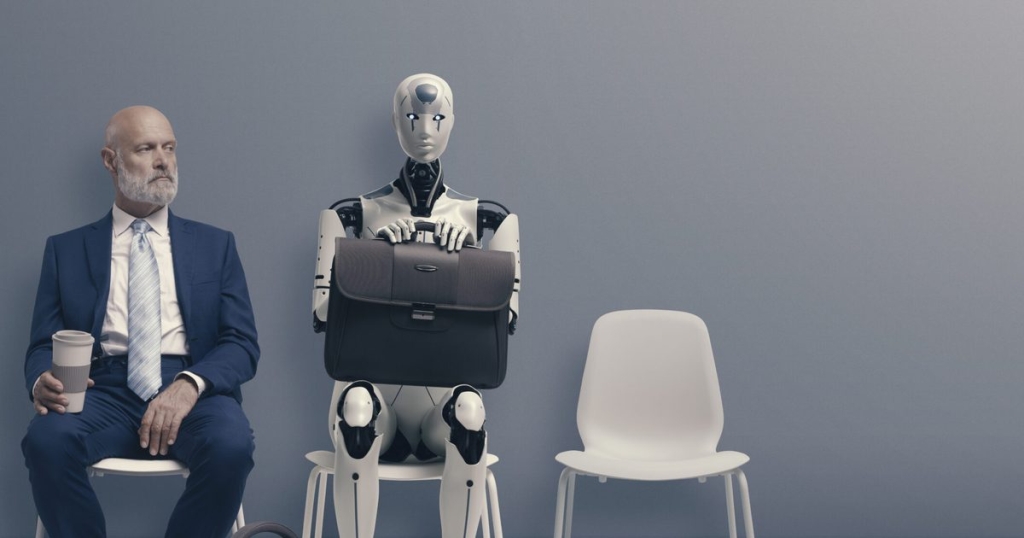
AI Hype vs. Workplace Reality: The Gap Between Buzz and Actual Usage
Artificial Intelligence has become the tech world’s hottest buzzword, with promises of revolutionizing everything from email composition to complex code development. The narrative suggests AI has seamlessly integrated into our daily work lives, transforming how we approach tasks across industries. Yet beneath this glossy surface of technological optimism lies a starkly different reality that challenges the prevailing hype.
A comprehensive Gallup survey reveals a surprising truth: only 12% of employed adults in the United States use AI tools daily at work. While this represents a significant jump from 2023—when just 21% of employees admitted to using AI occasionally—it underscores that AI remains far from becoming an everyday tool for most workers. Approximately one-quarter of workers use AI frequently, meaning a few times per week, while nearly half report using these tools only a few times per year.
The disparity becomes even more pronounced when examining different sectors. Technology-related roles show the highest adoption rates, with around 60% of workers using AI frequently and approximately 30% engaging with these tools daily. Finance and education sectors also demonstrate higher adoption, with professionals leveraging AI for document review, idea generation, and refining written communications.
Consider the practical example of a high school art teacher who shared with TechXplore how she uses AI chatbots to polish emails to parents and draft recommendation letters. This strategic application saves time and reduces communication friction, demonstrating AI’s potential as a productivity enhancer rather than a complete workflow replacement.
However, the adoption curve drops dramatically outside these tech-forward sectors. Workers in retail, healthcare, manufacturing, and service-based industries are significantly less likely to incorporate AI into their daily routines. Even among those who do use AI, most rely on basic chatbots and virtual assistants rather than more sophisticated systems, often engaging with these tools only sporadically.
The data also reveals an interesting psychological dimension. Despite widespread media coverage about AI’s potential to disrupt employment, many workers remain confident that their jobs are safe from automation in the next five years—though this confidence has slightly eroded since 2023.
This disconnect between AI’s perceived and actual workplace integration reflects a broader technological phenomenon. While the technology continues to advance rapidly, its practical implementation remains uneven, constrained by factors ranging from organizational readiness to individual comfort levels with new tools.
The current landscape suggests AI is best understood as a powerful supplementary tool—one that enhances human capabilities rather than replacing them entirely. As the technology continues to evolve, bridging this gap between hype and reality will be crucial for organizations seeking to harness AI’s potential effectively.
AIAtWork #TechRealityCheck #AIRevolution #DigitalTransformation #FutureOfWork #AIAdoption #WorkplaceTech #TechTrends2025 #HumanVsAI #ProductivityTools #ArtificialIntelligence #TechHype #WorkplaceInnovation #AIStatistics #TechInsights
,


Leave a Reply
Want to join the discussion?Feel free to contribute!