
AI Czar David Sacks wants Trump to ‘get out’ of Iran
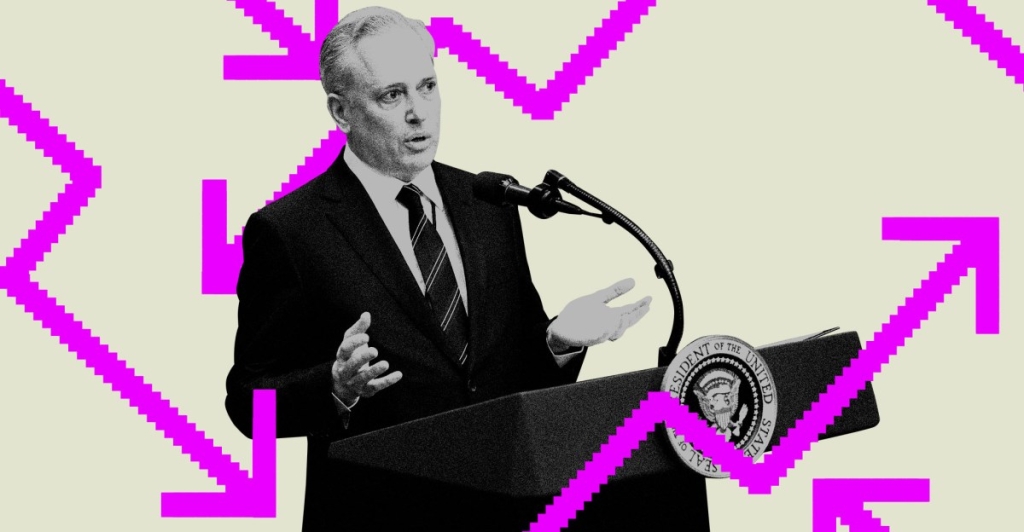
White House AI Czar David Sacks Warns: Iran Conflict Could Be “Catastrophic” for Global Tech Infrastructure
In a stunning revelation that has sent shockwaves through both Silicon Valley and Washington D.C., David Sacks, the Trump administration’s newly appointed AI and cryptocurrency czar, has issued an urgent warning about the escalating conflict with Iran. Speaking on the popular “All In” podcast, Sacks painted a grim picture of potential consequences that extend far beyond traditional geopolitical concerns, directly threatening the backbone of America’s artificial intelligence ambitions and global technology infrastructure.
The former PayPal executive and venture capitalist-turned-White House official didn’t mince words when discussing the potential fallout from continued hostilities in the Middle East. “We should try to find the off-ramp,” Sacks stated emphatically, his voice carrying the weight of someone who understands the intricate connections between global stability and technological advancement. His comments come at a critical juncture when the AI industry is experiencing unprecedented growth and investment, with the United States positioning itself as the global leader in artificial intelligence development.
What makes Sacks’ warning particularly noteworthy is his identification of desalination plants as potential targets in any extended conflict. These facilities, which provide water to millions across the Middle East, represent a vulnerability that could trigger a humanitarian catastrophe on an unprecedented scale. “The targeting of desalination infrastructure could lead to water shortages affecting tens of millions of people,” Sacks explained, highlighting how modern warfare has evolved beyond traditional military targets to encompass critical civilian infrastructure that supports entire populations.
The AI industry’s vulnerability to Middle Eastern instability became painfully apparent when Iranian drone strikes forced QatarEnergy to shut down production of liquefied natural gas and helium. This development sent ripples through the technology sector, as the company responsible for one-third of the world’s helium supply is crucial for electronics and semiconductor manufacturing. The helium shortage alone could create bottlenecks in AI chip production, potentially derailing the ambitious timelines set by companies like NVIDIA, AMD, and Intel.
Economist Andreas Steno Larsen, speaking to Yahoo! Finance, underscored the gravity of the situation: “This could potentially turn into a bottleneck for the entire AI story.” His assessment reflects growing concerns within the tech industry about the fragility of global supply chains and the interconnected nature of modern technology infrastructure. The AI revolution, it seems, is not immune to the age-old problems of resource scarcity and geopolitical conflict.
Sacks’ position on the conflict is particularly complex given his background. While he now serves in a high-profile government role, he has maintained significant financial interests in the private sector. According to sources familiar with his thinking, Sacks believes that de-escalation “is what the markets would like to see,” suggesting that his public stance may be influenced by both humanitarian concerns and financial considerations. This dual perspective—as both a government official and a tech industry veteran—gives his warnings added credibility among his Silicon Valley peers.
His anti-interventionist philosophy, which he has championed for years, appears to be informing his current approach to the Iran situation. During his appearance at the Republican National Convention, Sacks controversially claimed that America “provoked” Russia into invading Ukraine, a statement that drew both criticism and support from different quarters. This worldview, which emphasizes the unintended consequences of military intervention, seems to be shaping his analysis of the current Middle East crisis.
The conflict’s impact on the AI industry extends beyond just supply chain disruptions. The war has created uncertainty in energy markets, with potential consequences for the massive data centers that power AI systems. These facilities require enormous amounts of electricity to train and run complex machine learning models, and any disruption to energy supplies could slow the pace of AI development significantly. Moreover, the geopolitical instability makes it harder for American tech companies to form the international partnerships necessary for advancing AI research and development.
Sacks’ warning also highlights the growing intersection between national security, economic interests, and technological progress. As AI becomes increasingly central to everything from healthcare to national defense, ensuring the stability of the environments where AI technologies are developed and deployed has become a matter of strategic importance. The Trump administration’s decision to appoint someone with Sacks’ background to oversee AI policy reflects an understanding of these complex interdependencies.
The timing of Sacks’ comments is particularly significant given the current state of AI development. Companies are racing to achieve breakthroughs in areas like artificial general intelligence, and any significant disruption could have long-lasting effects on the competitive landscape. The United States, which has been working to maintain its lead in AI development relative to China and other competitors, cannot afford to have its progress derailed by conflicts in regions that supply critical resources.
Industry analysts note that the situation underscores the need for greater diversification in supply chains and resource dependencies. Some tech companies are already exploring alternatives to helium in semiconductor manufacturing, while others are investing in renewable energy sources to power their data centers. However, these solutions take time to implement, and in the short term, the industry remains vulnerable to the kind of disruptions that Sacks is warning about.
The humanitarian dimension of Sacks’ warning cannot be overstated. While his primary concern may be the impact on AI development and the broader tech industry, the potential for a water crisis affecting millions of people represents a genuine catastrophe that transcends technological considerations. This aspect of his warning may resonate more strongly with policymakers who are concerned about the broader implications of Middle East instability.
As the situation continues to evolve, Sacks’ role as both a government official and a tech industry insider positions him uniquely to bridge the gap between Silicon Valley and Washington. His warnings serve as a reminder that the future of artificial intelligence is not just about algorithms and computing power, but also about the complex web of global relationships and resources that make modern technology possible.
The coming months will be critical in determining whether Sacks’ warnings are heeded and whether diplomatic efforts can find the “off-ramp” he advocates. For the AI industry, which has been riding a wave of unprecedented investment and optimism, the stakes could not be higher. As one industry insider put it, “We’re not just talking about slowing down progress; we’re talking about potentially derailing the entire AI revolution at a crucial moment in its development.”
The intersection of technology, geopolitics, and humanitarian concerns that Sacks has highlighted represents one of the defining challenges of our time. How policymakers, industry leaders, and the global community respond to these warnings could shape not just the future of artificial intelligence, but the broader trajectory of human progress in the 21st century.
Tags:
DavidSacks #AIIndustry #IranConflict #TechVulnerability #GeopoliticalRisk #AIInfrastructure #SupplyChainCrisis #HumanitarianConcerns #TechPolicy #MiddleEastCrisis #SiliconValley #WhiteHouseAI #GlobalTech #AIDevelopment #GeopoliticalTech #TechLeadership #AIStrategy #TechEthics #GlobalAI #TechDiplomacy
ViralSentences:
“AI revolution at risk due to Middle East conflict”
“Desalination plants: The unexpected target in modern warfare”
“Tech industry’s Achilles’ heel exposed by Iran crisis”
“AI czar sounds alarm: Conflict could derail technological progress”
“Helium shortage threatens to bottleneck entire AI industry”
“Water crisis looms as humanitarian catastrophe in conflict escalation”
“Tech billionaire-turned-official warns of catastrophic consequences”
“AI development caught in crosshairs of geopolitical tensions”
“Global supply chains reveal fragility of technological advancement”
“White House AI strategy threatened by international instability”
“Venture capitalist’s anti-interventionist stance shapes tech policy”
“Data centers vulnerable to energy market disruptions”
“AI industry’s dependence on Middle Eastern resources revealed”
“Technological progress faces unprecedented geopolitical challenges”
“Future of AI hangs in balance of diplomatic negotiations”
,


Leave a Reply
Want to join the discussion?Feel free to contribute!