
AI Forces College Professor to Get Typewriters for Entire Class
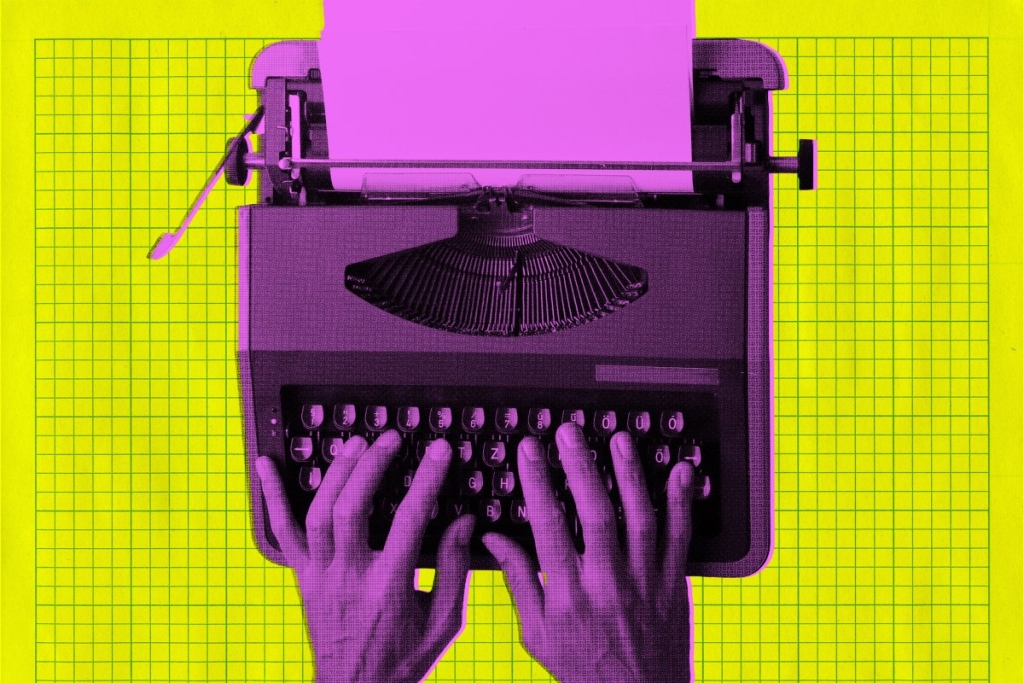
The Typewriter Revolution: A Cornell Professor’s Bold Stand Against AI’s Classroom Takeover
In an era where artificial intelligence threatens to reshape every facet of education, one German language professor at Cornell University is striking back with a decidedly old-school weapon: the typewriter. Grit Matthias Phelps, an instructor known for her innovative teaching methods, has introduced a radical experiment that’s capturing attention far beyond the ivy-covered walls of academia.
The Digital Dilemma
The story begins in the spring of 2023, when Phelps found herself increasingly frustrated with a disturbing trend in her classroom. Students were submitting assignments that were technically perfect but lacked the authenticity and personal touch that comes from genuine learning. The culprit? AI-powered tools like ChatGPT and sophisticated online translation services that made it nearly impossible to distinguish between a student’s work and machine-generated content.
“What’s the point of me reading it if it’s already correct anyway, and you didn’t write it yourself?” Phelps told the Associated Press. “Could you produce it without your computer?”
This question became the catalyst for what would become a viral sensation in educational circles.
The Typewriter Experiment
Phelps’ solution was as ingenious as it was nostalgic. She began scouring thrift stores and antique shops, collecting vintage typewriters that would soon become the centerpiece of her “analog assignment.” Once per semester, her students would be required to complete their coursework using nothing but these mechanical marvels from a bygone era.
The impact was immediate and profound. Students who had grown up with smartphones, tablets, and laptops suddenly found themselves transported to a world where the only notifications were the satisfying “ding” of a typewriter bell signaling the end of a line. Where they had once relied on spell-check and grammar tools, they now had to trust their own knowledge and collaborate with classmates.
“It dawned on me that the difference with typing on a typewriter is not just how you interact with the typewriter, but how you interact with the world around you,” explained Ratchaphon Lertdamrongwong, a computer science major and sophomore at Cornell.
A Return to Human Connection
The social dynamics of the classroom underwent a remarkable transformation. Without the barrier of screens, students found themselves engaging in more meaningful conversations, asking questions, and helping each other in ways that had become rare in the digital age.
“While writing the essay, I had to talk a lot more, socialize a lot more, which I guess was normal back then,” Lertdamrongwong reflected. “But it’s drastically different from how we interact within the classroom in modern times. People are always on a laptop, always on the phone.”
This observation cuts to the heart of a growing concern among educators: that technology, while offering unprecedented access to information, has also created a barrier to genuine human interaction and critical thinking.
The Physical Challenge
Perhaps the most unexpected lesson came in the form of a physical challenge. Many students discovered that their fingers, accustomed to the feather-light touch of modern keyboards, were woefully unprepared for the mechanical resistance of vintage typewriters.
The experience became a metaphor for the broader challenges of adapting to a world without instant digital assistance. Students learned patience, persistence, and the value of slowing down to truly engage with their work.
Creative Expression Unleashed
For some students, the typewriter exercise became more than just an academic requirement—it became a source of creative inspiration. Catherine Mong, a freshman in Phelps’ Intro to German class, found herself experimenting with fragmented poetry in the style of mid-20th-century poet e e cummings.
“I’m probably going to hang them on my wall,” Mong proudly declared. “I’m kind of fascinated by typewriters. I told all my friends, I did a German test on a typewriter!”
A Broader Movement
Phelps’ typewriter experiment is part of a larger trend in education where instructors are seeking ways to combat the pervasive influence of AI and digital technology. Across the country, professors are implementing various strategies to ensure that students are genuinely learning rather than simply outsourcing their thinking to machines.
Some instructors have returned to oral exams, requiring students to demonstrate their knowledge verbally rather than through written assignments that could be AI-generated. Others have implemented strict handwritten note policies or required in-class blue book essays that make it impossible to use digital assistance.
Meanwhile, high schools are experimenting with phone bans during school hours, recognizing that constant connectivity can be a barrier to focused learning and social development.
The Philosophical Question
At its core, Phelps’ experiment raises a fundamental question about the nature of education in the AI age: What is the purpose of learning if we can outsource our thinking to machines?
“This might sound bad, but I was forced to actually think about the problem on my own instead of delegating to AI or Google search,” Lertdamrongwong admitted.
This sentiment reflects a growing recognition among students and educators alike that while AI tools can be incredibly useful, they should not replace the fundamental process of learning, thinking, and creating.
The Future of Education
While Phelps’ typewriter exercise is not a scalable solution for the broader challenges facing education, it does offer valuable insights into how we might approach the integration of AI into learning environments.
The key may lie in finding a balance—leveraging the benefits of technology while preserving the essential human elements of education: critical thinking, creativity, collaboration, and the development of genuine understanding.
As AI continues to evolve and become more sophisticated, educators like Phelps are reminding us that sometimes the best way forward is to look backward, to rediscover the value of analog experiences in a digital world.
Tags and Viral Phrases
- Typewriter revolution in education
- Professor fights back against AI cheating
- Cornell’s analog assignment goes viral
- Typewriters vs ChatGPT: The classroom battle
- When AI meets vintage technology
- The sound of learning: Typewriter bells in 2024
- Digital detox through mechanical keyboards
- Education’s return to analog roots
- Students discover the joy of typewriter typing
- AI-proof teaching methods
- The human touch in the age of artificial intelligence
- Typewriter therapy for digital natives
- When students had to think without Google
- The click-clack solution to AI cheating
- Vintage tech meets modern education challenges
- Typewriters: The original distraction-free writing tool
- Professor’s typewriter experiment sparks national conversation
- Students forced to socialize instead of scroll
- The unexpected benefits of mechanical writing
- Typewriter ding: The new notification sound
- Education’s analog rebellion against digital dependence
- When fingers weren’t strong enough for typewriters
- The typewriter assignment that changed everything
- AI-proof your classroom with vintage technology
- Students discover what learning was like before screens
- The typewriter effect: More talking, less typing
- Professor’s creative solution to the AI dilemma
- Typewriters making a comeback in higher education
- The sound of genuine learning
- When students had to earn their knowledge
- Typewriter poetry: The unexpected creative outlet
- Education’s fight against the AI takeover
- The mechanical solution to digital problems
- Students learn the value of slowing down
- Typewriters: The ultimate focus tool
- Professor’s typewriter experiment becomes teaching legend
- When AI-free meant actually thinking
- The typewriter assignment that students actually loved
- Education’s analog awakening in a digital world
,

Leave a Reply
Want to join the discussion?Feel free to contribute!