
AI frame generation is coming to the PS5 Pro
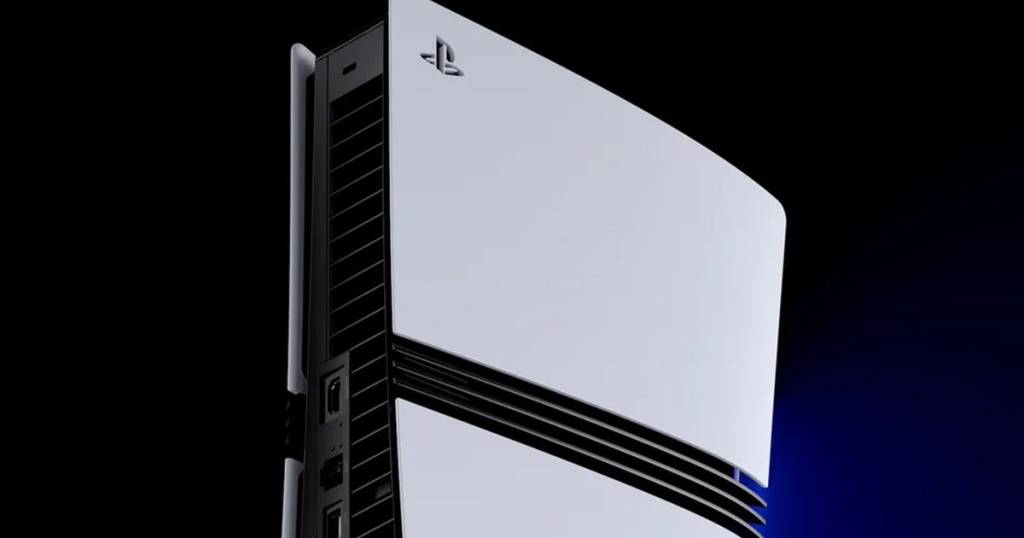
Sony Confirms AI-Powered Frame Generation Coming to PlayStation Platforms
In a significant development for console gaming, Sony has officially confirmed that artificial intelligence-driven frame generation technology is in the works for PlayStation platforms. This announcement, made by PlayStation lead system architect Mark Cerny during a recent interview with Digital Foundry, signals a major shift in how PlayStation consoles will handle graphics performance in the future.
Beyond Traditional Upscaling: The Next Evolution
While Sony has already introduced AI into its ecosystem through PlayStation Spectral Super Resolution (PSSR) – an upscaling technology that enhances image clarity on the PS5 Pro – frame generation represents a substantial leap forward. Unlike traditional upscaling that improves image quality, frame generation creates entirely new frames between rendered ones, effectively increasing the perceived frame rate without demanding additional raw GPU power.
“Think of it as the difference between making a blurry image clearer versus actually creating new content that wasn’t there before,” explains Cerny. “Frame generation uses machine learning to intelligently predict motion and generate intermediate frames, which can dramatically improve visual smoothness.”
This technology isn’t entirely new to the gaming world. PC gamers have already experienced similar benefits through Nvidia’s DLSS (Deep Learning Super Sampling) and AMD’s FSR (FidelityFX Super Resolution) technologies. However, Sony’s implementation could be specifically optimized for PlayStation hardware, potentially offering unique advantages.
Why Frame Generation Matters for Gaming Performance
The implications of frame generation technology are substantial. Rather than relying solely on more powerful hardware to achieve higher frame rates, AI can fill in the gaps by intelligently predicting motion and generating intermediate frames. This could allow games to appear smoother – potentially mimicking higher frame rates like 60fps or even 120fps – without requiring the console to render every frame natively.
For developers, this opens up exciting new possibilities. They could push graphical fidelity higher while still maintaining fluid performance. Imagine playing a visually stunning game with ray tracing and complex particle effects at a smooth 60fps, even on hardware that might struggle to render those graphics natively at that frame rate.
For players, the benefits are equally compelling. Fast-paced games, particularly competitive shooters or racing titles, could feel more responsive and visually immersive. The technology could effectively bridge the gap between cinematic visual quality and the smooth performance that competitive gamers demand.
However, the technology isn’t without potential drawbacks. Industry experts have noted that AI-generated frames can introduce input latency – a slight delay between player actions and on-screen responses. This could be problematic for competitive gaming where split-second reactions matter. Sony will likely need to optimize the technology carefully to minimize these effects.
The PS5 Pro Connection
While Sony hasn’t explicitly confirmed that frame generation will arrive on the PS5 Pro, the console is currently the most likely candidate for this technology. The PS5 Pro already features enhanced GPU performance and AI-driven technologies, making it better suited for advanced rendering techniques.
The PS5 Pro, released as a premium mid-generation upgrade, was designed with more powerful hardware specifically to handle more demanding graphical tasks. Its architecture includes features that could make it particularly well-suited for AI-driven frame generation, potentially giving it a significant advantage over the standard PS5.
If implemented on the PS5 Pro, frame generation could significantly extend the console’s lifespan by enabling higher performance without requiring new hardware. It could also help bridge the gap between console and high-end PC gaming experiences, where frame generation technologies have already proven their worth.
Timeline and Future Implications
When asked about specific release dates, Cerny was notably cautious. “We’re actively developing this technology, and it should be seen at some point on PlayStation platforms,” he stated, while also noting that no additional releases are planned in the immediate future. This suggests that frame generation may not arrive until 2027 or later, potentially aligning with the expected PlayStation 6 release window.
Sony’s collaboration with AMD on projects like “Project Amethyst” suggests that AI-driven rendering will play a central role in future PlayStation systems. Frame generation could eventually become a standard feature across the PlayStation ecosystem, potentially debuting fully in next-generation hardware.
The confirmation of frame generation technology signals a clear direction: AI is becoming the backbone of console graphics evolution. Just as ray tracing transformed how we think about lighting and reflections in games, frame generation could redefine how we experience smoothness and responsiveness.
What This Means for Gamers
For the gaming community, this announcement represents both exciting possibilities and important questions. Will frame generation be available as a toggle that players can enable or disable based on their preferences? How will it impact game development pipelines and performance targets? Will there be noticeable differences in quality between AI-generated and natively rendered frames?
These questions will likely be answered as Sony continues development and potentially provides more details in the coming years. What’s clear is that the company is investing heavily in AI technologies that could dramatically reshape the console gaming experience.
The confirmation of frame generation coming to PlayStation platforms isn’t just about a new feature – it’s about Sony’s vision for the future of gaming, where artificial intelligence plays an increasingly central role in delivering the best possible experiences to players, regardless of hardware limitations.
As we look toward the future of console gaming, one thing is certain: the lines between what’s possible on console versus PC are continuing to blur, and AI technologies like frame generation are leading this transformation.
tags
PlayStation #AI #FrameGeneration #PS5Pro #GamingTechnology #Sony #MarkCerny #DigitalFoundry #PSSR #MachineLearningGaming #ConsoleGaming #NextGenGaming #PlayStation6 #AMD #ProjectAmethyst #GamingPerformance #GraphicsTechnology #GamingInnovation
viral
Sony confirms AI frame generation for PlayStation platforms
Mark Cerny reveals PlayStation’s AI future
PS5 Pro gets major AI upgrade coming
Frame generation technology explained
Sony’s answer to DLSS coming to consoles
Gaming’s AI revolution begins with PlayStation
How frame generation will change console gaming forever
The future of PlayStation graphics revealed
AI-powered gaming performance breakthrough
Sony’s secret weapon against PC gaming superiority
PlayStation’s next evolution in gaming technology
Why frame generation matters more than you think
The technology that could extend PS5 Pro’s lifespan
Gaming’s biggest performance breakthrough since ray tracing
How PlayStation is catching up to PC gaming technology
The end of frame rate limitations on consoles
What Sony’s AI confirmation means for gamers
The timeline for PlayStation’s AI transformation
Why 2027 could be the biggest year for PlayStation yet
The technology that will define the next generation of gaming
,


Leave a Reply
Want to join the discussion?Feel free to contribute!