
AI is driving new content strategies and powering localization, but cultural understanding still depends on humans · TechNode
How AI and Content Design Are Revolutionizing Cross-Border E-commerce: Insights from TechNode’s Hangzhou Summit
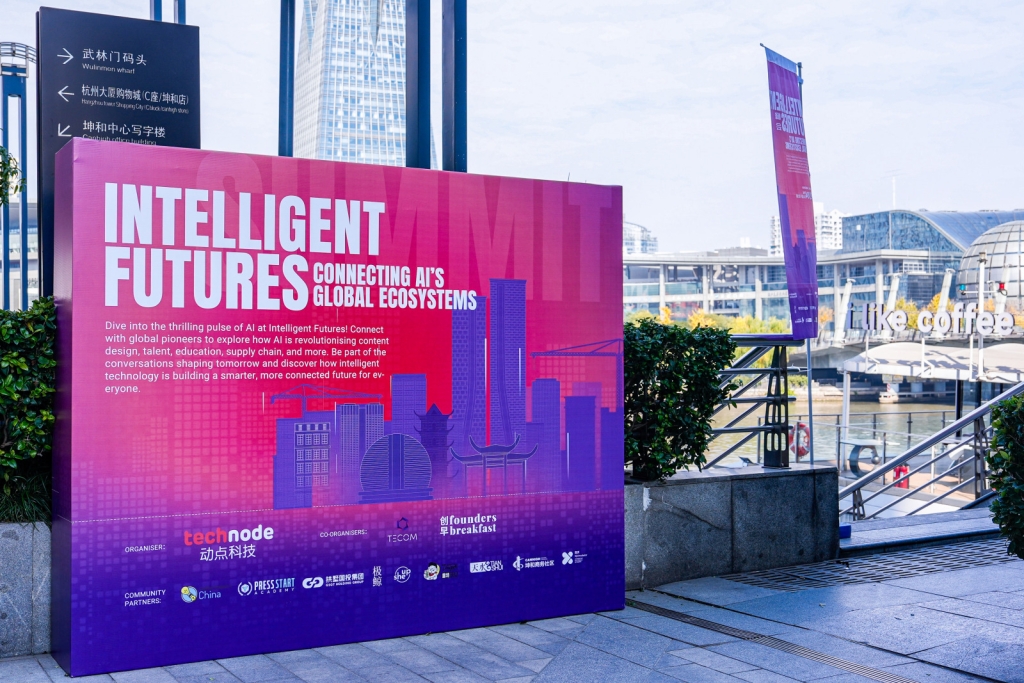
In a world where digital commerce knows no borders, the fusion of artificial intelligence and content design is creating unprecedented opportunities for global brands. At TechNode’s recent “Intelligent Futures: AI’s Global Ecosystems” summit in Hangzhou, industry leaders gathered to explore how cutting-edge AI technologies are reshaping content strategies for cross-border e-commerce success.
The Hangzhou Convergence: Where AI Meets Global Commerce
The summit, co-organized by TECOM and Founders Breakfast, brought together visionaries from multinational technology companies to dissect the evolving landscape of digital content in global markets. The second panel, “How AI and Content Design Drive Success in Cross-Border E-commerce,” featured three distinguished speakers who shared their expertise on navigating the complex intersection of AI, content strategy, and international market expansion.
The panel included Arnaud Frattini, Co-founder of Content Designers China; Anna Potapova, Staff Content Strategist at AliExpress; and Qiaoying Su, Localization Team Lead at OPPO. These industry veterans brought decades of combined experience in content development, brand communication, and localization to illuminate the path forward for global e-commerce platforms.
The Content Design Revolution: From Accessory to Core Strategy
Arnaud Frattini delivered a compelling argument for the elevation of content design from a supporting role to a central pillar of user experience strategy. “Content is no longer just an accessory to marketing but has become a structured part of the overall user experience,” Frattini emphasized. This paradigm shift reflects the growing recognition that in our multi-touchpoint digital world, content serves as the connective tissue that binds the entire user journey.
The transformation is particularly pronounced in technology sectors, where complex products require sophisticated communication strategies. Frattini noted that as user journeys span multiple touchpoints, maintaining brand consistency and building user trust through unified content strategies has become essential. This evolution represents a fundamental rethinking of how companies approach their digital presence, moving from fragmented, channel-specific content to holistic, user-centered design systems.
Data-Driven Content: The New Frontier of AI Integration
Anna Potapova from AliExpress presented a compelling vision for the future of content strategy, emphasizing the critical importance of data-driven decision-making in an increasingly fragmented user landscape. “Today’s users are more fragmented than ever,” Potapova stated. “What we need is not just more content, but the right content—delivered at the right time, in the right format, to the right audience.”
The integration of AI into content workflows presents both opportunities and challenges. While AI tools are dramatically enhancing production efficiency, Potapova highlighted that the real challenge lies in seamlessly integrating these capabilities into existing workflows while maintaining alignment with the company’s broader brand value system. This delicate balance between automation and brand integrity represents one of the most significant challenges facing content teams today.
Beyond Translation: The Evolution of Cultural Localization
Qiaoying Su from OPPO provided fascinating insights into how localization has evolved far beyond traditional translation services. “Across different markets, we see completely different user expectations, value preferences and aesthetic standards,” Su explained. This observation underscores the complexity of global expansion in an era where cultural nuance can make or break a brand’s international success.
OPPO’s approach to localization exemplifies this new paradigm. Rather than relying on machine translation or templated content, the company has invested in building cross-cultural teams in various regions. These teams ensure that core product narratives are expressed in culturally resonant ways while maintaining global brand consistency. This strategy recognizes that effective localization requires deep cultural understanding that goes far beyond linguistic accuracy.
The Human Element: Why AI Can’t Replace Deep Understanding
Perhaps the most profound insight from the panel was the recognition that despite AI’s transformative potential, the human element remains irreplaceable in content creation and strategy. The speakers agreed that effective content work requires a deep understanding of cultural context and an ability to resonate with users’ emotions and experiences—areas where AI still falls short.
This acknowledgment doesn’t diminish AI’s importance but rather positions it as a powerful tool that augments human creativity rather than replacing it. The future of content strategy lies in finding the optimal balance between AI-powered efficiency and human insight, creating workflows that leverage the strengths of both.
The Path Forward: Building Agile, Intelligent, and Culturally Sensitive Strategies
As AI, globalization, and the content industry become increasingly intertwined, content teams face unprecedented challenges and opportunities. The panel offered fresh perspectives for the industry: in a rapidly evolving global content ecosystem, how can companies build content strategies that are more agile, intelligent, and culturally sensitive?
The answer lies in embracing a holistic approach that combines data-driven decision-making, AI-powered efficiency, and deep cultural understanding. Companies must invest in both technology and talent, building teams that can navigate the complexities of global markets while maintaining brand consistency and user trust.
The insights from TechNode’s summit in Hangzhou provide a roadmap for companies looking to thrive in the new era of cross-border e-commerce. By understanding the evolving role of content design, embracing data-driven strategies, investing in cultural localization, and recognizing the irreplaceable value of human insight, businesses can position themselves for success in the global digital marketplace.
The convergence of AI and content design represents not just a technological shift but a fundamental reimagining of how brands communicate with global audiences. As we move forward, the companies that will succeed are those that can harness the power of AI while maintaining the human touch that makes content truly resonate across cultures and borders.
AI #CrossBorderEcommerce #ContentStrategy #GlobalMarkets #DigitalTransformation #AIIntegration #Localization #BrandConsistency #UserExperience #CulturalUnderstanding #TechInnovation #EcommerceSuccess #DataDrivenContent #GlobalExpansion #ContentDesign #AIandContent #InternationalBusiness #DigitalMarketing #TechSummit #FutureOfContent
The future of global commerce belongs to those who can master the art of AI-enhanced, culturally intelligent content strategy. The insights from Hangzhou’s summit illuminate the path forward in this exciting new frontier.
,


Leave a Reply
Want to join the discussion?Feel free to contribute!