
AI is transforming nuclear power design and operations to tackle decades of regulatory hurdles and massive construction inefficiencies
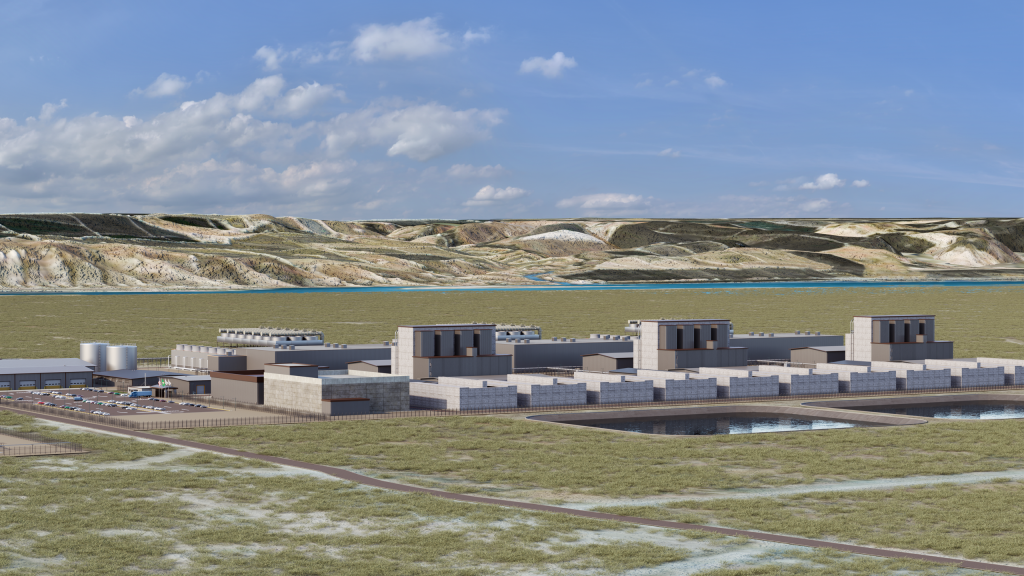
Microsoft and Nvidia Join Forces to Supercharge Nuclear Energy with AI
In a groundbreaking collaboration, Microsoft and Nvidia are harnessing the power of artificial intelligence to tackle one of the biggest challenges in the energy sector: the slow, complex, and costly deployment of nuclear power projects. With global energy demand surging and the urgent need for reliable, carbon-free power, this partnership aims to revolutionize how nuclear plants are designed, approved, and operated—potentially accelerating the path to a cleaner, more resilient energy future.
The Nuclear Bottleneck: Why Progress is Stalled
Nuclear energy is often hailed as a cornerstone of the transition to sustainable energy. Yet, despite its potential, the industry is mired in delays and inefficiencies. Engineers spend thousands of hours drafting, cross-referencing, and reviewing massive volumes of documentation—sometimes tens of thousands of pages—before a single brick is laid. Fragmented data, highly customized engineering, and labor-intensive regulatory reviews create bottlenecks that slow projects from permitting through construction and beyond.
These inefficiencies not only drive up costs but also leave nuclear energy unable to keep pace with the world’s growing appetite for reliable, carbon-free power. As Microsoft notes, the industry remains “trapped in a delivery bottleneck,” even as the world races to meet a historic surge in energy demand.
AI to the Rescue: How Microsoft and Nvidia Are Transforming Nuclear
Enter Microsoft and Nvidia, two tech giants at the forefront of the AI revolution. Their collaboration focuses on deploying advanced AI tools to streamline every phase of the nuclear project lifecycle, from initial design to ongoing operations.
High-Fidelity Digital Twins: Virtual Validation and Reuse
One of the most exciting innovations is the use of high-fidelity digital twins—virtual replicas of nuclear plants that allow engineers to validate designs, detect inconsistencies, and reuse proven engineering patterns before construction even begins. This virtual testing can dramatically reduce the risk of costly errors and rework, ensuring that projects are safer and more efficient from the outset.
Generative AI: Automating Documentation and Regulatory Compliance
Generative AI is another game-changer. By automating the drafting, gap analysis, and documentation workflows, AI can create audit-ready, traceable applications for regulators. This not only compresses permitting timelines but also frees up human experts to focus on critical safety evaluations rather than tedious paperwork. As Yasir Arafat, Chief Technology Officer at Aalo Atomics, puts it, “There’s no room for anything less than proven reliability” in this mission-critical industry.
AI-Powered Operations: Predictive Maintenance and Anomaly Detection
Once plants are operational, AI-powered sensors and digital twins continue to play a vital role. They monitor performance in real time, detect anomalies, and enable predictive maintenance—all while keeping human operators firmly in control. This creates a more predictable, auditable environment that reduces risks without compromising safety.
Industry Adoption: Real-World Impact
The collaboration is already making waves in the industry. Southern Nuclear and Idaho National Laboratory have applied these AI tools to streamline engineering and safety analysis reports, improving consistency and supporting faster decision-making. By linking design assumptions to operational performance, AI provides continuous visibility for operators, regulators, and stakeholders—creating a transparent, trustworthy process.
Startups Join the Charge
The initiative also includes contributions from Nvidia Inception startups Everstar and Atomic Canyon. Everstar uses its domain-specific AI for nuclear power to help Azure manage project workflows and govern data pipelines, while Atomic Canyon offers developers access to these tools through its Neutron platform, available via standard enterprise procurement.
The Road Ahead: Balancing Innovation and Regulation
As AI continues to optimize engineering, permitting, and operations, nuclear energy may finally be able to meet the urgent surge in global energy demand. However, the industry must still navigate regulatory complexity and the need for disciplined execution. The promise is clear: with AI, nuclear power can become faster, safer, and more cost-effective—paving the way for a cleaner, more resilient energy future.
Viral Tags and Buzzwords
- AI for nuclear energy
- Digital twins revolution
- Generative AI in energy
- Microsoft + Nvidia partnership
- Clean energy innovation
- Nuclear power 2.0
- Carbon-free future
- Tech meets energy
- AI-powered sustainability
- Energy sector transformation
- Next-gen nuclear
- Smart energy solutions
- AI-driven efficiency
- Future of power
- Tech for good
With this bold collaboration, Microsoft and Nvidia are not just accelerating nuclear energy—they’re helping to power a smarter, cleaner, and more sustainable world. The future of energy is here, and it’s powered by AI.
,


Leave a Reply
Want to join the discussion?Feel free to contribute!