
AI prompts found not copyrightable in a court case in China · TechNode
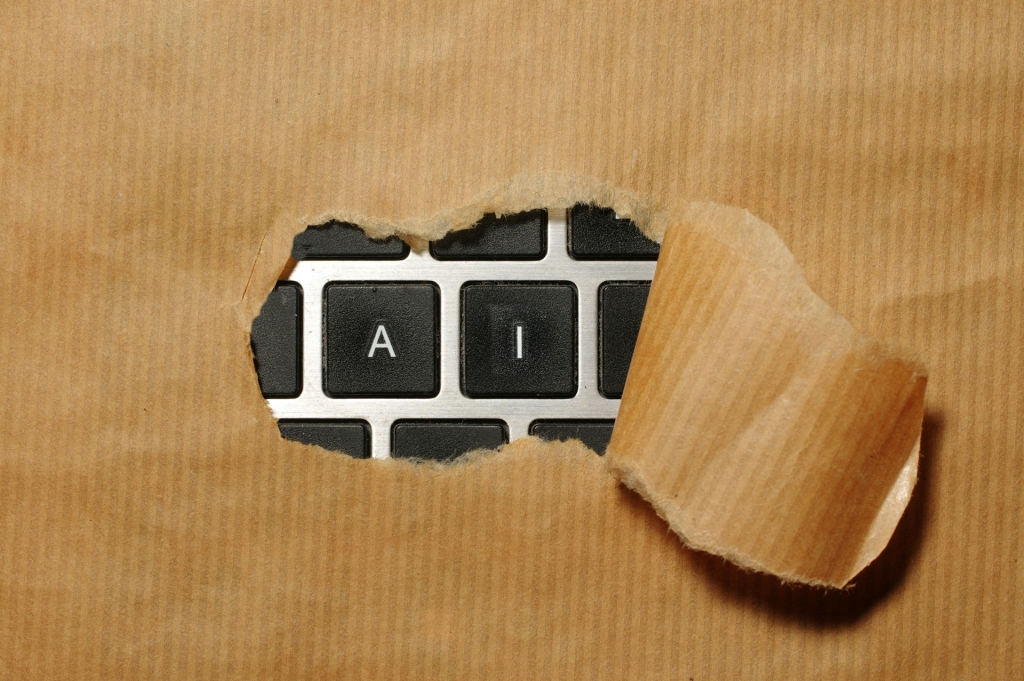
AI Prompts Are Not Copyrightable, Chinese Court Rules — A Landmark Decision That Could Reshape the Future of Digital Creativity
In a groundbreaking ruling that could have far-reaching implications for the world of artificial intelligence and digital art, a Shanghai district court has determined that AI prompts—the text-based instructions used to generate images through tools like Midjourney—do not qualify for copyright protection under Chinese law.
The case, which was brought before the Huangpu District People’s Court, centered on a visual art company that had developed six unique sets of prompts to create images using the popular AI platform Midjourney. The company claimed that these prompts represented original creative works and sought legal recourse against two defendants accused of using the same prompts to produce similar images, which were then shared on the social media platform Xiaohongshu and in various published materials.
However, in a decision that has sent ripples through the tech and creative communities, the court ruled against the plaintiff, stating that the prompts in question lacked the necessary originality and individuality to be considered “expressions” protected under copyright law. The judges emphasized that the prompts were essentially abstract creative ideas and technical instructions rather than artistic expressions that demonstrated personal judgment or unique creative input.
This ruling marks a significant moment in the ongoing debate over the ownership and protection of AI-generated content. As AI tools become increasingly sophisticated and widely used, questions about the nature of creativity, authorship, and intellectual property rights have become more complex and contentious. The court’s decision suggests that, at least in China, the legal system may be taking a cautious approach to extending copyright protections to works created through human-AI collaboration.
The implications of this ruling are far-reaching. For artists and creators who use AI tools, it raises questions about the extent to which their inputs and instructions can be protected. For businesses and platforms that rely on AI-generated content, it provides clarity on the legal status of prompts and potentially opens up new avenues for content creation and sharing.
Moreover, this decision could influence how AI companies develop and market their products. If prompts are not considered copyrightable, it may encourage more open sharing and collaboration within the AI art community, as users may feel less restricted by concerns about intellectual property infringement.
However, the ruling also highlights the challenges that legal systems face in keeping pace with rapidly evolving technologies. As AI continues to blur the lines between human creativity and machine-generated content, courts and lawmakers around the world will likely grapple with similar questions in the coming years.
It’s worth noting that this decision is specific to Chinese law and may not be directly applicable in other jurisdictions. Copyright laws vary significantly from country to country, and other nations may take different approaches to the copyrightability of AI prompts and generated content.
The tech industry and creative communities will undoubtedly be watching closely to see how this ruling impacts the development and use of AI tools in China and beyond. As the debate over AI and copyright continues to evolve, this case serves as an important precedent and a reminder of the complex legal and ethical questions that arise at the intersection of technology and creativity.
For now, the decision stands as a clear statement from the Chinese legal system: AI prompts, as abstract instructions and ideas, do not meet the threshold for copyright protection. This ruling may pave the way for more open and collaborative use of AI tools in creative fields, but it also underscores the need for ongoing dialogue and legal clarity as we navigate the uncharted territory of AI-assisted art and content creation.
As the global conversation around AI and intellectual property rights continues to unfold, one thing is certain: the relationship between human creativity, machine learning, and legal frameworks is set to become an increasingly important and complex area of study and policy-making in the years to come.
Tags: AI prompts, copyright law, Midjourney, digital art, intellectual property, Chinese court ruling, AI-generated content, creative technology, legal precedent, tech industry, copyright protection, AI tools, digital creativity, legal implications, technology law
Viral Phrases: AI prompts not copyrightable, Chinese court rules, Midjourney copyright case, AI art copyright debate, prompts lack originality, digital creativity copyright, AI-generated content legal status, Chinese copyright law, AI tools intellectual property, tech industry copyright implications, legal system AI creativity, copyrightable works AI, AI-assisted art legal questions, copyright protection AI prompts, AI copyright law future.
,

Leave a Reply
Want to join the discussion?Feel free to contribute!