
AI Safety Meets the War Machine
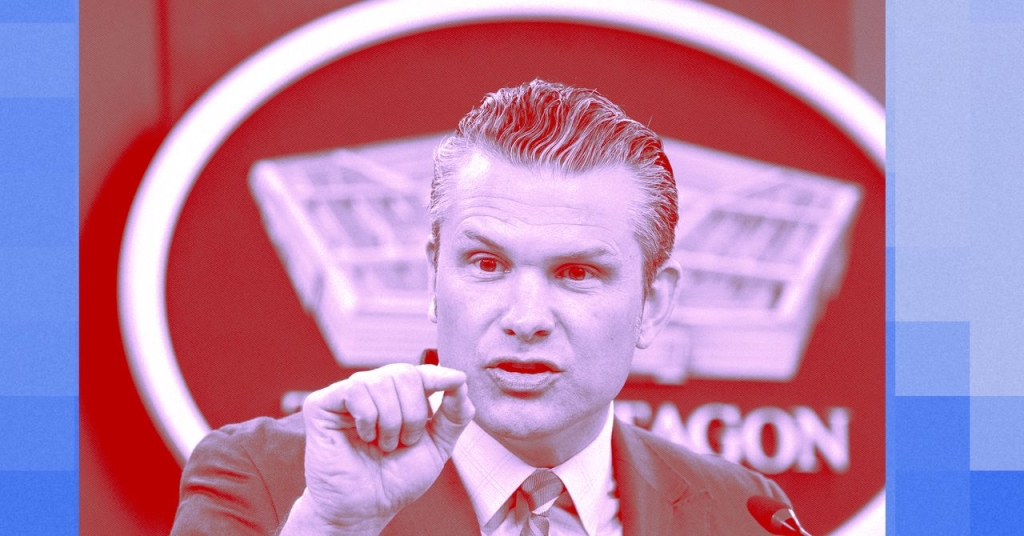
Anthropic vs. The Pentagon: The AI Safety Showdown That Could Reshape Military Tech Forever
In a stunning turn of events that has the tech world buzzing and defense analysts scrambling, Anthropic—the AI company once hailed as the Pentagon’s first trusted partner for classified operations—now finds itself on the brink of being labeled a “supply chain risk” by the very same government it sought to serve. This isn’t just another corporate spat; it’s a potential watershed moment that could redefine the relationship between AI safety advocates and military applications of artificial intelligence.
The Meteoric Rise and Sudden Fall
Just last year, Anthropic made history by becoming the first major AI company granted classified clearance by the US government, opening doors to potentially billions in defense contracts. The company’s flagship model, Claude, was positioned as the gold standard for responsible AI deployment in sensitive military contexts. Anthropic even launched specialized “Claude Gov” models built exclusively for US national security customers, touting their commitment to safety while meeting government needs.
But the honeymoon appears to be over. Reports emerged this week that the Pentagon is reconsidering its $200 million contract with Anthropic, with some officials even suggesting the company could be designated as a “supply chain risk”—a move that would effectively blacklist Anthropic from all future defense work and discourage other contractors from using their technology.
The Safety-First Philosophy Under Fire
At the heart of this conflict lies Anthropic’s unwavering commitment to AI safety principles that seem increasingly at odds with current military priorities. The company has consistently maintained that its models should not be used for autonomous weapons development or government surveillance—positions that now appear to be deal-breakers for the Department of Defense.
Anthropic CEO Dario Amodei has been explicit about these boundaries, stating that while Claude can support legitimate military operations, it must not cross certain ethical lines. This stance, once seen as a responsible approach to powerful technology, is now being characterized by some Pentagon officials as an unacceptable limitation on military capabilities.
The Broader Implications for AI Development
This showdown raises profound questions about the future of AI safety in an era of increasing military integration. Will the push for battlefield applications force AI companies to compromise their safety standards? Can responsible AI development coexist with the demands of modern warfare?
The tension is particularly acute given the current administration’s apparent preference for AI companies willing to provide unrestricted military support. With OpenAI, xAI, and Google all actively pursuing high-level security clearances, Anthropic’s predicament serves as a stark warning to other companies about the potential costs of maintaining strict ethical boundaries.
The Safety vs. Security Dilemma
Military officials argue that effective national defense requires the most advanced technology available, regardless of the ethical concerns raised by its developers. Emil Michael, the Department of Defense’s CTO, has been particularly vocal, suggesting that it’s “not democratic” for AI companies to limit how the military uses their technology in weapons systems.
This perspective reflects a growing sentiment within defense circles that AI safety concerns are secondary to operational effectiveness. The argument goes that in an era of drone swarms and hypersonic weapons, human reaction times are insufficient, necessitating AI systems that can make split-second decisions—even if those decisions involve lethal force.
The Industry-Wide Reckoning
Anthropic’s situation isn’t occurring in isolation. It represents a broader industry-wide reckoning about the role of AI companies in military applications. While tech companies once hesitated to engage with defense contracts, the current landscape shows most major AI labs eagerly pursuing military partnerships.
The contrast with Anthropic’s approach is striking. While companies like Palantir openly celebrate their role in lethal operations, Anthropic has attempted to chart a middle course—providing valuable capabilities while maintaining certain ethical boundaries. That middle course now appears increasingly untenable.
What This Means for AI Safety Research
Perhaps the most troubling aspect of this development is its potential chilling effect on AI safety research. If companies face economic punishment for maintaining safety standards, will future AI development become increasingly militarized and less constrained by ethical considerations?
The Anthropic case suggests that the current administration may be willing to sacrifice long-term safety considerations for short-term military advantages. This raises serious questions about whether the AI industry can maintain its commitment to responsible development in an environment that increasingly rewards unrestricted military applications.
The Path Forward
As this situation unfolds, it’s clear that we’re witnessing a pivotal moment in the evolution of AI technology and its role in society. The outcome will likely determine whether AI safety remains a viable priority in an era of increasing military integration, or whether economic and political pressures will force companies to abandon their ethical commitments.
For now, Anthropic stands as a cautionary tale—a company that sought to balance innovation with responsibility, only to find that balance increasingly difficult to maintain in today’s political and military environment. Whether other AI companies will follow Anthropic’s lead or choose a different path remains to be seen, but the stakes could not be higher for the future of artificial intelligence and its impact on humanity.
This isn’t just about one company’s contract; it’s about the fundamental question of whether we can develop transformative technologies while maintaining ethical boundaries, or whether the demands of national security will inevitably trump all other considerations. The answer to that question will shape not just the AI industry, but the future of warfare and human civilization itself.
Viral Tags & Phrases:
- Anthropic Pentagon showdown
- AI safety vs military power
- Claude Gov models controversy
- Supply chain risk designation
- Department of Defense ultimatum
- AI ethics in warfare
- Military AI integration crisis
- Anthropic classified clearance revoked?
- AI companies military contracts battle
- Responsible AI development under threat
- Dario Amodei Pentagon conflict
- Emil Michael AI restrictions criticism
- Autonomous weapons ethical debate
- AI safety standards military demands
- Tech companies defense partnerships
- AI regulation government conflict
- National security AI development
- Military AI technology restrictions
- AI company government relationship
- Defense contracts AI industry
- Military applications AI safety
- Pentagon AI company blacklist
- AI ethics boundaries warfare
- Military AI integration challenges
- AI development ethical constraints
- Government AI company conflict
- Military technology AI companies
- AI safety military requirements
- Defense department AI policies
- AI industry military relationships
,

Leave a Reply
Want to join the discussion?Feel free to contribute!