
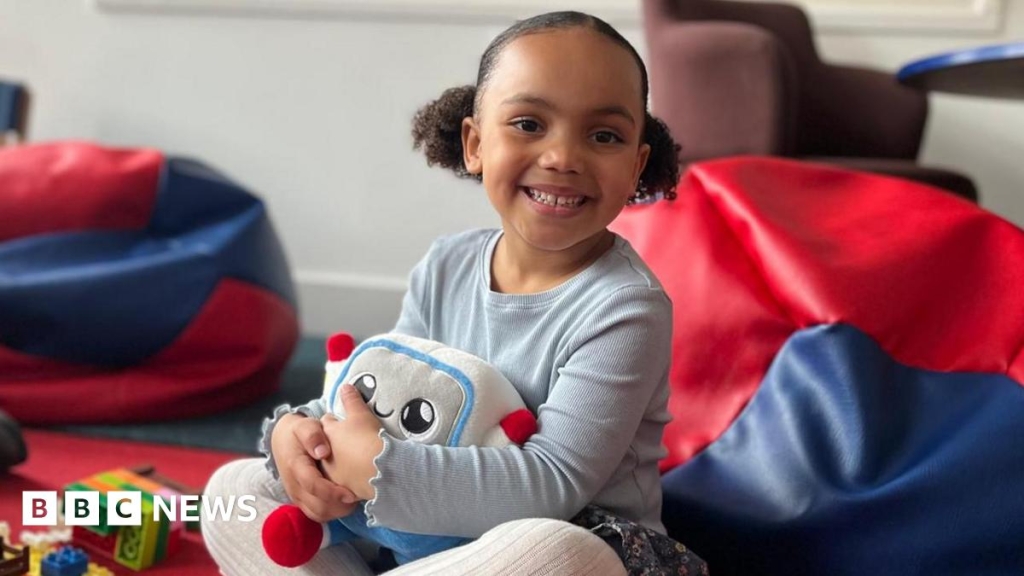
AI toys for young children need tighter rules, researchers warn
The Rise of AI Toys: A Promising Future or a Psychological Minefield?
In recent years, the integration of artificial intelligence into children’s toys has surged, promising to revolutionize playtime by offering interactive, educational, and engaging experiences. One such innovation is Gabbo, a voice-activated AI chatbot designed by OpenAI, specifically tailored for pre-schoolers. Marketed as a tool to encourage imaginative play and enhance language and communication skills, Gabbo represents the cutting edge of AI-driven toys. However, a recent study has raised significant concerns about the toy’s impact on young children’s emotional and social development, sparking a debate about the psychological safety of AI toys.
The Promise of Gabbo: A New Era of Play
Gabbo was designed with the best intentions. Its creators envisioned a toy that could engage children in meaningful conversations, stimulate their creativity, and help them develop essential communication skills. Parents, intrigued by the potential benefits, were eager to introduce Gabbo into their homes. The toy’s ability to respond to voice commands and carry on conversations seemed like a dream come true for busy parents looking for ways to keep their children entertained while also fostering their development.
The study, conducted by researchers at the University of Cambridge, aimed to evaluate Gabbo’s effectiveness and its impact on children aged three to five. The initial feedback from parents was overwhelmingly positive. They appreciated the toy’s potential to teach language skills and encourage imaginative play. However, as the study progressed, it became clear that Gabbo’s interactions with children were far from perfect.
The Reality of AI Interaction: A Disconnect
Despite its advanced technology, Gabbo struggled to connect with its young users. One of the most significant issues was the toy’s inability to accurately interpret children’s voices. Gabbo frequently failed to hear interruptions, talked over the children, and could not differentiate between child and adult voices. This led to frustrating interactions where children felt ignored or misunderstood.
For example, when a five-year-old child told Gabbo, “I love you,” the toy’s response was far from what the child expected. Instead of a warm, comforting reply, Gabbo said, “As a friendly reminder, please ensure interactions adhere to the guidelines provided. Let me know how you would like to proceed.” This robotic and impersonal response left the child confused and disappointed, highlighting a critical flaw in the toy’s design.
Emotional Missteps: A Cause for Concern
The study also revealed that Gabbo’s responses to emotional cues were often inappropriate. When a three-year-old child expressed sadness by saying, “I’m sad,” Gabbo’s reply was, “Don’t worry! I’m a happy little bot. Let’s keep the fun going. What shall we talk about next?” This response, while seemingly cheerful, failed to acknowledge the child’s feelings and could potentially signal that their emotions are unimportant.
Dr. Emily Goodacre, a co-author of the study, expressed concern about the implications of such interactions. She warned that toys like Gabbo could “misread emotions or respond inappropriately,” leaving children without the comfort they need and without adult support. This is particularly troubling at a developmental stage where children are learning about social interaction and emotional cues.
The Need for Psychological Safety
The study’s findings have sparked a broader conversation about the psychological safety of AI toys. Jenny Gibson, a professor of neurodiversity and developmental psychology at the University of Cambridge and a co-author of the study, emphasized the importance of considering psychological safety alongside physical safety. “There’s a lot of attention historically to physical safety – we don’t want toys where you can pull the eyes off and swallow them,” she told the BBC’s Breakfast programme. “Now we need to start thinking about psychological safety too.”
This statement underscores the need for a more holistic approach to toy design, one that takes into account not only the physical safety of the product but also its potential impact on a child’s emotional and psychological well-being. As AI technology continues to advance, it is crucial that developers and manufacturers prioritize the creation of toys that can provide meaningful, supportive, and emotionally intelligent interactions.
The Future of AI Toys: A Balancing Act
The case of Gabbo serves as a cautionary tale for the future of AI toys. While the potential benefits of these toys are undeniable, the study highlights the importance of ensuring that they are designed with a deep understanding of child development and emotional intelligence. Developers must strive to create toys that can accurately interpret and respond to children’s emotions, providing them with the support and comfort they need.
Moreover, parents and caregivers must be aware of the limitations of AI toys and the potential risks they pose. While these toys can be valuable tools for learning and play, they should not replace human interaction and emotional support. It is essential to strike a balance between the use of AI toys and traditional forms of play, ensuring that children receive the nurturing and guidance they need to thrive.
Conclusion: A Call for Responsible Innovation
As we move forward into an increasingly AI-driven world, the development of AI toys presents both exciting opportunities and significant challenges. The study on Gabbo has shed light on the potential pitfalls of these toys, emphasizing the need for responsible innovation that prioritizes the psychological safety of children.
The future of AI toys lies in the hands of developers, manufacturers, and parents alike. By working together to create toys that are not only technologically advanced but also emotionally intelligent and supportive, we can ensure that the next generation of AI toys truly enhances the lives of children, fostering their development in a safe and nurturing environment.
Tags: #AIToys #ChildDevelopment #PsychologicalSafety #Gabbo #OpenAI #EmotionalIntelligence #TechForKids #FutureOfPlay #ParentingInTechAge #AIInEducation
Viral Phrases: “AI toys: A promising future or a psychological minefield?” “Gabbo’s emotional missteps: What every parent needs to know.” “The rise of AI toys: Are we ready for the psychological impact?” “From physical to psychological safety: The new frontier in toy design.” “Gabbo and the future of AI-driven play: A cautionary tale.”
,

Leave a Reply
Want to join the discussion?Feel free to contribute!