
AirDrop Is Coming to Even More Android Phones This Year
Google’s AirDrop Revolution: Android’s Seamless Cross-Platform Future Is Finally Here
In a groundbreaking move that’s sending shockwaves through the tech world, Google has officially confirmed what many Android users have been dreaming about for years: AirDrop compatibility is coming to Android phones beyond just the Pixel lineup. This isn’t just another incremental update—it’s potentially the most significant interoperability breakthrough between iOS and Android since either platform’s inception.
The November Revelation That Changed Everything
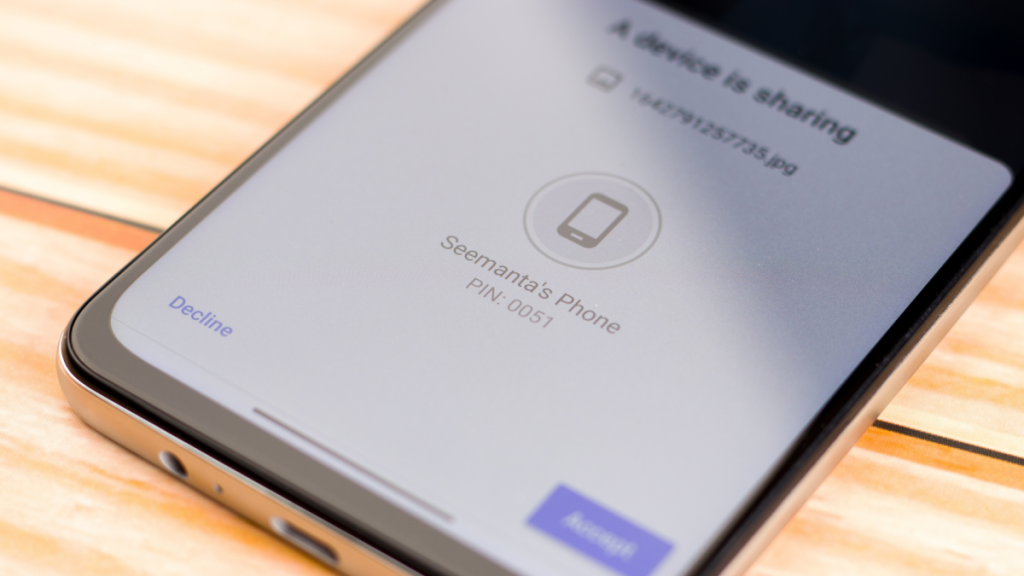
Last November, Google dropped a bombshell that flew somewhat under the radar: the Pixel 10 series would feature seamless AirDrop compatibility through Quick Share. When Jake Peterson from our team tested it, he described the experience as almost magical—like Quick Share and AirDrop “were built this way from the beginning.” For anyone who’s ever struggled with the convoluted process of sharing files between iPhone and Android devices, this was nothing short of revolutionary.
The magic lies in the simplicity. No more awkward texts asking friends to email photos, no more third-party apps with confusing interfaces, no more Bluetooth pairing nightmares. Just open your share sheet, select the device, and boom—your files transfer instantly over Wi-Fi Direct with the same buttery-smooth experience Apple users have enjoyed for years.
From Pixel-Exclusive to Ecosystem-Wide
During a recent industry event attended by Android Authority, Android Vice President of Engineering Eric Kay revealed that Google isn’t stopping with Pixel phones. “Last year, we launched AirDrop interoperability,” Kay announced. “In 2026, we’re going to be expanding it to a lot more devices.”
This expansion represents a fundamental shift in how Google approaches Android’s architecture. Unlike many Pixel-exclusive features that rely on proprietary system components, Google cleverly transformed Quick Share from a system-level feature into a full-fledged application with its own APK. This architectural decision wasn’t just smart—it was visionary, laying the groundwork for universal adoption across the entire Android ecosystem.
Industry Heavyweights Are Already On Board
The excitement around this announcement isn’t limited to Google’s headquarters. Nothing CEO Carl Pei revealed in November that his team was “already exploring” adding AirDrop compatibility to Nothing phones. Qualcomm, whose Snapdragon chips power the majority of Android flagship devices (including Samsung’s Galaxy lineup), expressed similar enthusiasm, stating they “can’t wait” for the feature to arrive on Snapdragon-powered devices in the “near future.”
This industry-wide buy-in is crucial. When chip manufacturers, phone makers, and Google itself are aligned, you know you’re looking at something that’s going to fundamentally change how we use our devices.
The Timeline: Sooner Than You Think
While Kay didn’t provide an exact launch date beyond “2026,” he did drop a tantalizing hint: Google is “already working with our partners to expand it into the rest of the ecosystem, and you should see some exciting announcements very soon.”
The tech rumor mill is already churning with speculation. The next Samsung Unpacked event, rumored to take place on February 25th for the S26 lineup announcement, could be the perfect stage for this revelation. It’s not uncommon for Google to make appearances during Samsung’s Unpacked events to discuss new Android features that upcoming phones will support.
Alternatively, Google might save the big reveal for Google I/O in May, its annual developer conference where it traditionally announces major Android updates and features. However, given the excitement surrounding this feature, there’s also a real possibility that Google could simply roll it out without the fanfare of an official event.
Why This Changes Everything
As someone who juggles multiple devices daily—an Android tablet, an iPhone, a MacBook, and a Windows PC—all within arm’s reach, I can’t overstate how transformative this feature will be. In my line of work, I’m constantly transferring photos and files between devices, and the current process is often frustrating at best.
Consider the current state of cross-platform file sharing: iPhone users have AirDrop, which works flawlessly within the Apple ecosystem. Android users have Quick Share, which works great between Android devices. But when these worlds collide? It’s chaos. Email attachments, cloud services, third-party apps, or the dreaded USB cable—none of these solutions come close to the elegance of native device-to-device sharing.
This interoperability isn’t just about convenience; it’s about breaking down the artificial walls between ecosystems. In an increasingly connected world where people use devices from multiple manufacturers, seamless sharing isn’t a luxury—it’s becoming a necessity.
The Technical Magic Behind the Scenes
What makes this particularly impressive from a technical standpoint is how Google achieved this without requiring massive OS updates or hardware changes. By converting Quick Share into an APK (Android application package), Google created a pathway for rapid deployment across the ecosystem. This means that when your favorite Android phone manufacturer decides to implement AirDrop compatibility, they won’t need to wait for a major Android version update—they can simply update the Quick Share app.
The underlying technology leverages Wi-Fi Direct for high-speed transfers without requiring an internet connection, similar to how AirDrop functions. This ensures that file transfers are not only fast but also private and secure, as they don’t traverse the public internet.
What This Means for the Future of Tech
This move represents more than just a convenient feature—it’s a philosophical shift in how tech giants approach interoperability. For years, Apple’s walled garden approach has been both its greatest strength and its biggest criticism. By making AirDrop work with Android, Google is essentially forcing the industry toward greater openness and compatibility.
The implications extend far beyond file sharing. If tech companies can collaborate on something as fundamental as cross-platform file transfer, what other barriers might come down? Could we see iMessage on Android someday? FaceTime calls between platforms? The possibilities are exciting to contemplate.
The Bottom Line
Google’s AirDrop expansion to Android is more than just a feature update—it’s a statement about the future of technology. In a world where people increasingly use devices from different ecosystems, the ability to share files seamlessly shouldn’t be a luxury reserved for those who commit entirely to one platform.
As we await official announcements and rollout timelines, one thing is crystal clear: the days of Android-iOS file sharing friction are numbered. And for anyone who’s ever struggled with the current patchwork of solutions, that’s news worth celebrating.
The tech world moves fast, but this particular development feels like a genuine leap forward—one that will make our digital lives just a little bit easier, a little bit more connected, and a whole lot more seamless.
tags
Android #AirDrop #Google #QuickShare #iOS #interoperability #crossplatform #filetransfer #Pixel #Samsung #Snapdragon #Nothing #technews #2026 #ecosystem #innovation
viralphrases
“Game changer for Android users”
“The end of file sharing frustration”
“Apple’s walled garden just got a door”
“Tech peace treaty between iOS and Android”
“Finally, no more awkward file sharing moments”
“The feature we’ve all been waiting for”
“Google just leveled the playing field”
“This changes everything”
“The future of cross-platform compatibility”
“Seamless sharing is here”
“Breaking down the barriers”
“The interoperability revolution”
“Your devices, finally speaking the same language”
“The end of ecosystem lock-in”
“Tech harmony achieved”
,


Leave a Reply
Want to join the discussion?Feel free to contribute!