
Alabama class action lawsuit aims to take down sports betting push by Kalshi
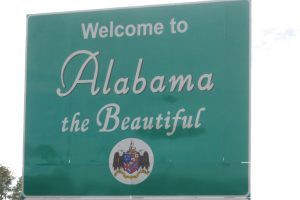
Alabama Class Action Lawsuit Targets Kalshi’s Sports Betting Operations in Major Legal Showdown
In a dramatic escalation of the ongoing battle between state gambling regulations and innovative prediction market platforms, a class action lawsuit has been filed in Alabama federal court targeting Kalshi, a prominent event-based trading platform accused of operating an illegal sports betting website. This legal action represents a significant challenge to the growing prediction market industry and highlights the complex intersection of federal commodities regulation and state gambling laws.
The Legal Battleground: Alabama’s Strict Gambling Laws
Alabama stands as one of the most stringent states in the nation regarding gambling restrictions. The Yellowhammer State has built a reputation for maintaining some of the toughest anti-gambling legislation in the United States, with traditional sports betting explicitly prohibited under state law. This legal environment has created a unique challenge for platforms like Kalshi and Polymarket, which operate by offering event-based contracts that blur the lines between trading activity and sports wagering.
The plaintiffs in this class action lawsuit argue that despite Kalshi’s classification of its offerings as “trading activity” rather than sports betting, the platform’s structure and terminology closely resemble traditional gambling operations. This semantic distinction has become a central point of contention in the legal proceedings, as the plaintiffs seek to demonstrate that Kalshi’s activities constitute illegal sports wagering under Alabama law.
The Federal vs. State Regulatory Framework
The legal complexity of this case stems from the dual regulatory framework governing platforms like Kalshi. While state gambling authorities maintain jurisdiction over traditional betting operations, event-based contracts fall under federal commodities regulation and are overseen by the Commodity Futures Trading Commission (CFTC). This federal oversight has allowed prediction markets to operate in states with strict gambling laws, creating a regulatory gray area that the Alabama lawsuit seeks to challenge.
The CFTC’s involvement in regulating these platforms represents a significant departure from traditional state-based gambling oversight. By classifying event-based contracts as commodities rather than gambling products, the federal government has effectively created a pathway for prediction markets to operate in jurisdictions where conventional sports betting remains illegal. This regulatory framework has become a focal point of the legal challenge, as plaintiffs argue that the CFTC’s classification should not shield platforms from state gambling laws.
A Pattern of Legal Challenges in Alabama
The filing of this class action lawsuit against Kalshi is not an isolated incident in Alabama’s legal landscape. According to sports betting attorney Daniel Wallach, this represents the first prediction market case filed in Alabama, but the state has a well-established history of litigation regarding gambling-related activities. More than 40 lawsuits concerning sweepstakes casinos have already been filed in Alabama, demonstrating the state’s aggressive approach to enforcing its gambling restrictions.
This pattern of litigation reflects Alabama’s broader strategy of maintaining strict control over gambling activities within its borders. The state’s legal apparatus has consistently demonstrated a willingness to pursue aggressive enforcement actions against perceived violations of gambling laws, making it a particularly challenging environment for prediction market platforms seeking to operate in the state.
The Broader Industry Context
Kalshi’s legal troubles in Alabama are part of a larger trend of regulatory challenges facing the prediction market industry. The platform has faced increasing scrutiny from various jurisdictions across the country as it expands its sports betting offerings under the guise of “sports contracts.” This expansion strategy has raised concerns among regulators and legislators who view these operations as attempts to circumvent existing gambling restrictions.
In December 2025, Washington state took decisive action by banning prediction markets entirely, citing concerns similar to those raised in the Alabama lawsuit. The Evergreen State’s decision reflects growing skepticism about the distinction between event-based trading and traditional sports betting, particularly when platforms offer contracts tied to sporting events.
Nevada, traditionally known for its permissive gambling environment, has also taken action against prediction market operators. The state has revoked licenses for major operators including DraftKings and Flutter, citing their increasing focus on prediction market offerings. This development is particularly significant given Nevada’s historical role as a gambling-friendly jurisdiction, suggesting that even traditionally permissive states are becoming increasingly wary of prediction market operations.
Alabama’s Recent Enforcement Actions
The timing of the Kalshi lawsuit aligns with Alabama’s intensified enforcement efforts against illegal gambling activities throughout 2025. The state has conducted numerous operations targeting various forms of illicit gambling, including the seizure of illegal gambling machines and the arrest of individuals involved in unauthorized betting operations.
These enforcement actions demonstrate Alabama’s commitment to maintaining its strict gambling regulations and suggest that prediction markets may face similar scrutiny in the future. The state’s aggressive approach to gambling enforcement creates a challenging environment for platforms like Kalshi, which must navigate complex regulatory requirements while attempting to offer their services to Alabama residents.
The CFTC’s Potential Role in the Legal Battle
A significant development in this legal saga involves recent remarks by CFTC Chairman Michael S. Selig, who indicated that the federal regulatory body would now assist markets facing legal challenges in various states. This announcement has been welcomed by the Coalition for Prediction Markets, an industry advocacy group that represents the interests of prediction market platforms.
The CFTC’s potential involvement could prove decisive in the outcome of the Alabama lawsuit and similar legal challenges facing prediction market operators. If the federal government actively intervenes to defend the regulatory framework that allows these platforms to operate, it could create a significant barrier to state-level enforcement actions. However, the effectiveness of such intervention remains uncertain, particularly in states with strong anti-gambling traditions like Alabama.
The Future of Prediction Markets in the United States
The outcome of the Alabama lawsuit against Kalshi could have far-reaching implications for the prediction market industry across the United States. If Alabama’s courts rule against Kalshi and similar platforms, it could embolden other states with strict gambling laws to pursue similar legal actions. Conversely, if the lawsuit fails, it may strengthen the position of prediction market operators and encourage further expansion into regulated markets.
The tension between federal commodities regulation and state gambling laws represents a fundamental challenge to the current regulatory framework governing prediction markets. As these platforms continue to evolve and expand their offerings, the legal and regulatory landscape will likely need to adapt to address the unique characteristics of event-based trading.
Industry Response and Market Impact
The prediction market industry has responded to these legal challenges with a combination of defensive legal strategies and efforts to clarify the distinction between their operations and traditional gambling. Industry advocates argue that prediction markets serve legitimate economic and informational purposes beyond mere gambling, including risk management, price discovery, and market efficiency.
However, the legal challenges in Alabama and other states suggest that these arguments may not be sufficient to overcome concerns about the gambling-like nature of many prediction market products. The industry may need to consider alternative approaches, including greater transparency about the risks involved and more robust compliance measures to address state regulatory concerns.
Conclusion
The class action lawsuit against Kalshi in Alabama represents a critical juncture for the prediction market industry and the broader landscape of online gambling regulation in the United States. As states like Alabama continue to enforce strict gambling laws while federal regulators maintain oversight of prediction markets, the resulting legal conflicts are likely to shape the future of this emerging industry.
The outcome of this case could determine whether prediction markets can continue to operate in states with restrictive gambling laws or whether they will face increasing pressure to either modify their operations or exit these markets entirely. As the legal proceedings unfold, all eyes will be on Alabama’s courts and the potential involvement of federal regulators in this complex and evolving regulatory battle.
The stakes are high not only for Kalshi and other prediction market operators but also for the broader ecosystem of online gambling and trading platforms that operate in the increasingly complex intersection of federal and state regulation. The resolution of this conflict will likely have implications that extend far beyond Alabama, potentially reshaping the regulatory framework for prediction markets and similar platforms across the United States.
Tags: Alabama lawsuit, Kalshi legal battle, prediction markets, sports betting regulation, CFTC oversight, gambling laws, event-based trading, class action lawsuit, online gambling, federal vs state regulation
Viral Sentences:
- Alabama takes on Wall Street’s prediction markets in groundbreaking class action
- Kalshi faces knockout blow as Alabama sues over illegal sports betting claims
- Federal commodities trading or illegal gambling? The Kalshi case that could reshape prediction markets
- Alabama’s strict gambling laws meet Wall Street innovation in epic legal showdown
- Prediction markets under fire as Alabama leads charge against Kalshi’s sports betting push
- The CFTC steps in as prediction markets face existential threat from state lawsuits
- Alabama’s gambling crackdown intensifies with first-ever prediction market class action
- Kalshi’s sports contracts face reality check in Alabama federal court
- Washington banned them, Nevada revoked licenses, now Alabama sues prediction markets
- The prediction market industry’s regulatory nightmare intensifies in Alabama court
Viral Words:
- Game-changer
- Groundbreaking
- Showdown
- Knockout
- Existential threat
- Regulatory nightmare
- Legal battle
- Industry shakeup
- Market disruption
- Legal precedent
- High-stakes
- Landmark case
- Industry-defining
- Regulatory showdown
- Legal warfare
- Market revolution
- Gambling crackdown
- Federal intervention
- State resistance
- Prediction market war
,


Leave a Reply
Want to join the discussion?Feel free to contribute!