
Alaska’s Killer Whales Have a Surprisingly Diverse Menu
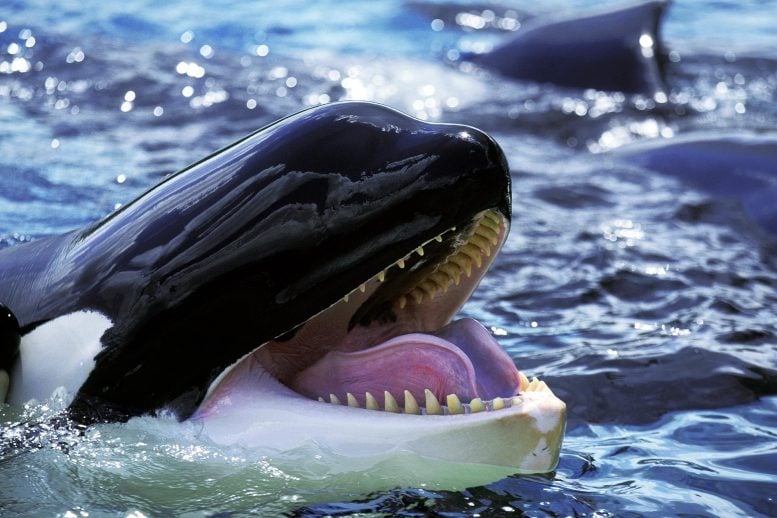
Alaska’s Killer Whales Have a Surprisingly Diverse Menu, New DNA Study Reveals
A groundbreaking long-term study has uncovered the culinary secrets of southern Alaska’s fish-eating killer whales, revealing a surprisingly complex and seasonal diet that challenges previous assumptions about these apex predators.
Researchers from the National Oceanic and Atmospheric Administration (NOAA) and collaborating institutions have spent years collecting and analyzing DNA from whale scat to piece together what these magnificent creatures actually eat. The results, published in the journal Ecosphere, paint a picture of dietary flexibility that could be crucial for conservation efforts.
A Culinary Journey Through the Seasons
The study, which represents one of the most comprehensive dietary analyses of killer whales to date, found that these marine mammals are far from picky eaters. Instead, they demonstrate remarkable adaptability, shifting their menu throughout the year based on prey availability.
During spring months, the whales show a strong preference for chinook salmon, the largest and fattiest of the Pacific salmon species. These fish provide essential energy reserves after the lean winter months. As summer progresses, the whales diversify their palate, incorporating coho salmon, sockeye salmon, and even halibut into their diet.
Perhaps most surprisingly, the research revealed that these killer whales occasionally consume Pacific cod and walleye pollock—species not previously thought to be significant components of their diet. This finding suggests a level of opportunistic feeding behavior that researchers hadn’t fully appreciated before.
The Science Behind the Study
The research team employed cutting-edge genetic analysis techniques to identify prey species from whale feces collected across multiple years. This non-invasive method allowed scientists to gather data without disturbing the whales’ natural behavior.
“We were able to extract minute traces of prey DNA from the scat samples,” explained Dr. Jennifer Olson, the study’s lead author. “This technique gives us unprecedented insight into what these whales are actually consuming, rather than just what we observe them hunting.”
The study covered several distinct populations of fish-eating killer whales in southern Alaska, including the well-known AT1 and AB resident pods. By comparing dietary patterns across different groups and seasons, researchers could identify both shared preferences and unique feeding strategies.
Why This Matters for Conservation
Understanding the dietary habits of killer whales is more than just scientific curiosity—it’s essential for their survival. These whales face numerous threats, including climate change, pollution, and competition with commercial fisheries for their prey.
The discovery that killer whales rely on such a diverse range of species throughout the year has significant implications for conservation strategies. Protecting just one or two salmon species may not be sufficient; instead, a more holistic approach to marine ecosystem management may be necessary.
Dr. Michael Thompson, a marine ecologist not involved in the study, noted: “This research underscores the importance of maintaining healthy, diverse fish populations. These whales need options, and their ability to switch between prey species may be a key factor in their resilience.”
Seasonal Shifts and Survival Strategies
The seasonal variation in diet appears to be a sophisticated survival strategy. During salmon runs, when these fatty fish are abundant, killer whales can build up energy reserves. In leaner times, their ability to switch to other species like pollock or cod may mean the difference between thriving and merely surviving.
This dietary flexibility also suggests that killer whales may be better equipped to handle environmental changes than previously thought. However, the researchers caution that there are limits to this adaptability. If key prey species decline dramatically, even the most flexible predator may struggle.
Beyond the Plate: What This Tells Us About Killer Whale Society
The study’s findings also offer intriguing hints about killer whale social structure and learning. Different pods showed slightly different dietary preferences, suggesting that hunting techniques and prey preferences may be passed down through generations—a form of cultural transmission.
Young whales likely learn from their mothers and other pod members which prey to pursue and how to catch them efficiently. This cultural knowledge, combined with the physical ability to hunt various species, creates a powerful adaptive advantage.
Looking Ahead: The Future of Killer Whale Research
The research team plans to continue their work, expanding the study to include more populations and potentially using new technologies like drone-based sampling to gather even more data. They’re also interested in how changing ocean conditions might affect prey availability and, consequently, killer whale diets.
As climate change continues to alter marine ecosystems, understanding how these apex predators respond to shifting prey patterns will be crucial for predicting their future and implementing effective conservation measures.
Tags:
Alaska killer whales, orca diet, whale research, marine biology, DNA analysis, seasonal feeding, salmon predators, ocean conservation, NOAA study, killer whale behavior, fish-eating orcas, marine ecosystem, Ecosphere journal, whale scat analysis, predator-prey relationships, Alaska wildlife, Pacific salmon, marine mammals, ecological research, conservation science
,


Leave a Reply
Want to join the discussion?Feel free to contribute!