
Alibaba CEO says AI bubble unlikely in next three years · TechNode
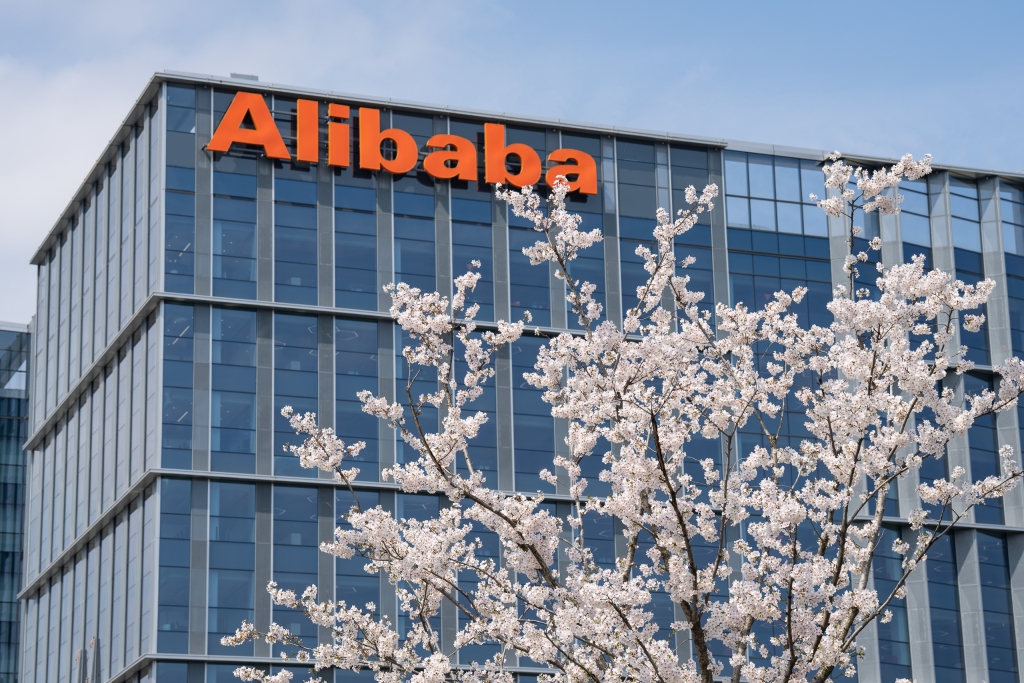
Alibaba’s CEO Eddie Wu: AI Bubble Unlikely in Next Three Years Amid Persistent Resource Constraints
In a recent statement that has sent ripples across the tech and investment communities, Alibaba’s CEO Eddie Wu has confidently declared that the emergence of an artificial intelligence bubble is highly unlikely over the next three years. His remarks come at a pivotal moment for the global AI industry, which has been grappling with questions about sustainability, scalability, and the long-term viability of its rapid growth trajectory. Wu’s assertion is grounded in the reality of persistent resource constraints, which he believes will act as a natural check on speculative excess.
Wu’s comments were made in the wake of Alibaba’s fiscal second-quarter 2026 results, which revealed a robust financial performance. The company reported approximately RMB 247.8 billion (USD 34.6 billion) in revenue, marking a 15 percent increase after excluding divested businesses. This growth underscores Alibaba’s resilience and its ability to navigate a complex economic landscape. However, it is the company’s strategic focus on artificial intelligence that has captured the most attention.
According to Wu, Alibaba is currently in an investment phase, channeling significant resources into building AI infrastructure and enhancing its consumer platforms. This commitment is reflected in the strong demand for Alibaba’s cloud-based AI products, which have become a cornerstone of the company’s growth strategy. The CEO emphasized that the company’s investments are not merely speculative but are driven by tangible market needs and the potential for transformative impact across industries.
One of the most striking aspects of Wu’s statement is his dismissal of the possibility of an AI bubble. While some analysts have warned of a speculative frenzy reminiscent of the dot-com era, Wu argues that the current landscape is fundamentally different. He points to the ongoing scarcity of critical AI resources, such as high-quality data, advanced semiconductors, and specialized talent, as a key factor that will prevent the kind of unchecked expansion seen in previous tech bubbles.
This perspective aligns with Alibaba’s broader strategy of sustainable, long-term investment. The company has already announced a RMB 380 billion (USD 53 billion) three-year investment plan aimed at bolstering its AI capabilities. However, Wu hinted that this figure may need to be revised upward in light of surging customer demand. “The previously announced amount may now be considered small,” he noted, signaling Alibaba’s willingness to scale its ambitions in response to market dynamics.
The implications of Wu’s comments extend far beyond Alibaba. As one of the world’s largest technology companies, Alibaba’s strategic decisions often serve as a bellwether for the broader industry. His assertion that an AI bubble is unlikely could help to temper fears of an impending market correction, while also reinforcing the importance of disciplined investment in the sector.
Moreover, Wu’s remarks highlight the critical role of infrastructure in the AI ecosystem. Building robust AI capabilities requires not only financial investment but also a deep understanding of the technological and logistical challenges involved. Alibaba’s focus on cloud-based AI products underscores the company’s recognition of the centrality of scalable, reliable infrastructure to the future of AI.
As the global AI industry continues to evolve, Wu’s insights offer a valuable perspective on the challenges and opportunities that lie ahead. His emphasis on resource constraints serves as a reminder that, despite the hype surrounding AI, the field remains grounded in practical realities. For investors, entrepreneurs, and technologists alike, this message is both sobering and inspiring, suggesting that the path to AI-driven innovation will be one of careful, deliberate progress rather than reckless speculation.
In conclusion, Eddie Wu’s statement that an AI bubble is unlikely in the next three years is a significant development in the ongoing conversation about the future of artificial intelligence. By highlighting the role of resource constraints and the importance of strategic investment, he has provided a nuanced and forward-looking perspective that is sure to influence industry discourse in the months and years to come. As Alibaba continues to lead the charge in AI development, its approach may well serve as a model for others seeking to navigate the complexities of this transformative technology.
Tags:
AI bubble, artificial intelligence, Alibaba, Eddie Wu, tech investment, AI infrastructure, cloud-based AI, semiconductor scarcity, data constraints, AI talent shortage, sustainable tech growth, AI market dynamics, tech industry trends, AI innovation, strategic investment, resource constraints, AI development, Alibaba earnings, fiscal Q2 2026, AI scalability, tech leadership, AI demand, long-term investment, AI ecosystem, transformative technology.
Viral Phrases:
“AI bubble unlikely in three years,” “resource constraints will prevent AI bubble,” “Alibaba’s bold AI investment strategy,” “Eddie Wu’s visionary take on AI,” “cloud-based AI demand surges,” “RMB 380 billion AI plan may be too small,” “sustainable AI growth is the future,” “AI infrastructure is the new battleground,” “tech hype meets reality check,” “Alibaba leads the charge in AI innovation.”
,

Leave a Reply
Want to join the discussion?Feel free to contribute!