
Alibaba founder Jack Ma says children should be taught how to use AI, not whether to use it · TechNode
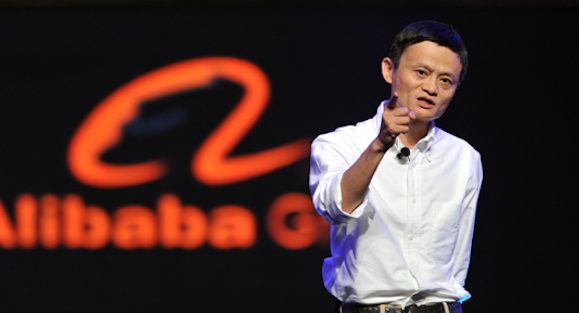
Jack Ma Warns of AI’s Impact on Rural Education, Calls for a Shift in Teaching Focus
At a recent online event hosted by a rural education charity foundation, Jack Ma, the co-founder of Alibaba Group and a prominent advocate for educational reform, delivered a thought-provoking speech on the challenges and opportunities presented by artificial intelligence (AI) in the realm of education. Ma emphasized that while AI poses significant challenges for rural education, it also offers a unique opportunity to return to the core purpose of teaching.
“In the AI era, the question is no longer whether to use AI, but how to teach our children to use it well,” Ma stated. He highlighted that education should no longer focus on pushing students to compete with machines in tasks such as calculation and memorization. Instead, the emphasis should be on nurturing essential human qualities like curiosity, imagination, creativity, judgment, and collaboration. “The real divide in the AI age is not a technological gap, but a gap in curiosity, imagination, and creativity,” he added.
Ma argued that education should encourage students to think more creatively and independently, rather than simply producing standardized answers. “It should not be about 1,000 students giving the same correct answer, but about learning to ask 10,000 good questions,” he said. This shift in focus, according to Ma, is crucial for preparing students to thrive in an increasingly AI-driven world.
The speech comes at a time when the integration of AI into various sectors, including education, is accelerating. While AI has the potential to revolutionize learning by providing personalized and adaptive educational experiences, it also raises concerns about the future of traditional teaching methods and the role of educators. Ma’s insights underscore the need for a balanced approach that leverages the benefits of AI while preserving the human elements that are essential for holistic development.
Ma’s comments also resonate with broader discussions about the future of work and the skills that will be most valuable in the coming decades. As automation and AI continue to reshape industries, the ability to think critically, solve complex problems, and collaborate effectively will become increasingly important. By fostering these skills in students, educators can help ensure that the next generation is well-equipped to navigate the challenges and opportunities of the AI era.
In conclusion, Jack Ma’s speech serves as a timely reminder of the transformative potential of AI in education and the need for a paradigm shift in teaching methodologies. By focusing on nurturing curiosity, imagination, and creativity, educators can help bridge the gap between technology and human potential, ensuring that students are prepared to thrive in an AI-driven future.
Tags and Viral Phrases:
AI in education, Jack Ma, rural education, artificial intelligence, teaching methods, creativity in education, future of work, critical thinking, problem-solving, collaboration, personalized learning, adaptive education, human potential, technological gap, standardized answers, good questions, holistic development, automation, next generation, transformative potential, paradigm shift, educational reform, Alibaba Group, educational charity, online event, rural education charity foundation, nurturing curiosity, imagination, judgment, essential human qualities, balanced approach, valuable skills, complex problems, AI-driven world, traditional teaching methods, role of educators, accelerating integration, revolutionary learning, personalized experiences, adaptive educational experiences, holistic development, essential human elements, well-equipped, navigate challenges, opportunities, timely reminder, paradigm shift, teaching methodologies, bridge the gap, technology and human potential, thrive in AI-driven future.
,


Leave a Reply
Want to join the discussion?Feel free to contribute!