
Alzheimer’s may start with inflammation in the skin, lungs or gut
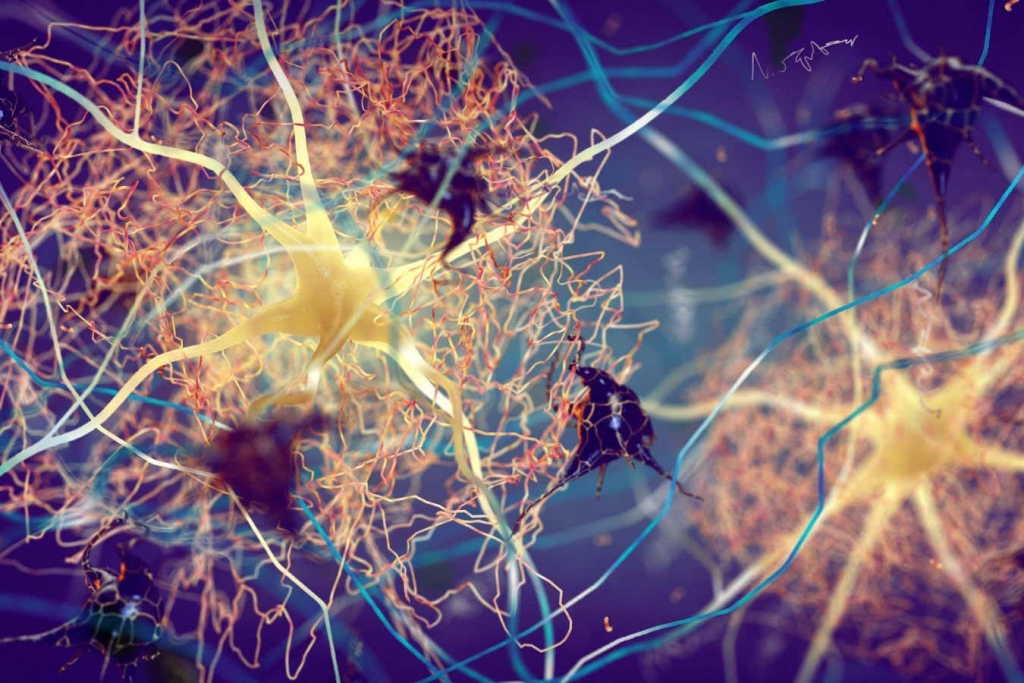
Alzheimer’s Disease May Begin in the Body, Not the Brain — And That Changes Everything
In a stunning new discovery that could rewrite the entire understanding of Alzheimer’s disease, groundbreaking genomic research suggests the devastating brain condition may actually start with inflammation in distant organs like the skin, lungs, or gut — decades before any memory loss appears.
This paradigm-shifting finding could explain why decades of drug development targeting the brain have largely failed: scientists may have been treating the symptoms, not the source.
The Brain Isn’t Isolated — It’s Part of a Bigger System
“As neuroscientists, we tend to be very brain-centric,” says Donna Wilcock, a neuroscientist at Indiana University who was not involved in the study. “But this research shines a spotlight on the fact that the brain is not disconnected from the rest of the body.”
The study, led by Cesar Cunha at the Novo Nordisk Foundation Center for Basic Metabolic Research in Denmark, analyzed genetic data from over 85,000 people with Alzheimer’s and 485,000 without it. The team also examined gene activity in 5 million single cells across 40 body areas and 100 brain regions.
What they found was shocking: genes linked to Alzheimer’s risk were far more active in peripheral organs — the skin, lungs, digestive system, spleen — than in the brain itself.
“I kept looking at the graph and it seemed wrong,” Cunha said. “The expression of these genes in single cells in the brain was extremely low.” After multiple analyses, the conclusion was clear: these Alzheimer’s risk genes are primarily active in the body’s barrier tissues, which regularly defend against germs, toxins, and allergens by mounting inflammatory responses.
The Inflammation Window: Ages 55 to 60
Even more compelling, the highest expression of these gene variants occurred when people were aged 55 to 60 — suggesting that inflammation during this window is most likely to trigger Alzheimer’s decades later.
This aligns with a long-running study in Hawaii that found men with elevated blood markers of inflammation in their late 50s were significantly more likely to develop Alzheimer’s in their 70s and 80s.
“You might get inflammation in your lungs from a viral infection when you’re 55, and that could translate to Alzheimer’s 30 years later,” Cunha explains. “But we don’t know why yet — there’s a very big piece in this whole puzzle that hasn’t been figured out.”
From the Gut to the Brain: The Peripheral Connection
The findings build on emerging research showing that people with inflammatory conditions — eczema, cold sores, pneumonia, gum disease, Lyme disease, diabetes, high blood pressure, and gut infections — are more likely to develop Alzheimer’s later in life. This association is particularly strong if the inflammation occurs during midlife, around ages 45 to 60.
Bryce Vissel, a neuroscientist at St Vincent’s Hospital in Sydney, notes that the brain was once considered an “immune-privileged” organ unaffected by inflammation elsewhere in the body. But recent studies have shown that peripheral inflammation from infections or injuries can indeed affect the brain.
During inflammation, immune cells are activated and signaling proteins like cytokines are released. These can cross from the blood into the brain, potentially damaging connections between brain cells — a precursor to memory problems.
The Amyloid Theory May Be Wrong
Currently, the dominant understanding of Alzheimer’s is that it’s caused by a build-up of misfolded beta-amyloid and tau proteins in the brain. However, drugs that clear out these proteins have had limited success, suggesting their accumulation may be a response to the condition rather than a fundamental cause.
“The issue is that we’ve been trying to treat the end result of the disease,” says Cunha.
This mirrors past missteps in obesity research, where drugs targeting fat tissue directly failed. Genomic studies later revealed that obesity risk genes were more highly expressed in the brain, leading to the development of drugs like semaglutide (Ozempic, Wegovy) that modulate brain pathways to reduce appetite.
A New Treatment Strategy: Prevention Through Inflammation Control
If Alzheimer’s truly begins with peripheral inflammation, we need entirely new approaches to treatment. One promising lead: vaccination in midlife appears to be protective against Alzheimer’s.
A recent California study found that adults who received both doses of the shingles vaccine (recommended for ages 50 and up in the US) were about 50% less likely to develop Alzheimer’s by age 65 and beyond. Another study found that people aged 50 or older who received the BCG vaccine as a bladder cancer treatment had a 20% lower risk of Alzheimer’s.
This may be because vaccines give the aging immune system a boost, reducing chronic inflammation. “At 55, maybe we need to shake the immune system by the shoulders and say: ‘Hey, you gotta wake up, you still need to be working’,” Wilcock suggests.
What You Can Do Now
Beyond vaccines, several interventions have been shown to lower inflammation and protect against Alzheimer’s:
- Eating a Mediterranean diet
- Limiting alcohol intake
- Exercising regularly
- Not smoking
- Lowering blood pressure and cholesterol
The challenge now is convincing the neuroscience community to consider peripheral inflammation as a potential driver of Alzheimer’s in the brain. “At conferences, I’ve been told: ‘If you’re not studying amyloid, you’re not studying Alzheimer’s’,” Cunha says. “Obviously, if you’ve been focusing on amyloid for 30 or 40 years, it might be hard to change your point of view.”
Tags: Alzheimer’s disease, inflammation, brain health, genomic research, peripheral organs, immune system, vaccines, dementia prevention, aging, cognitive decline
Viral Sentences:
- “Alzheimer’s may start in your skin, lungs, or gut — not your brain”
- “The inflammation window: ages 55 to 60 could determine your Alzheimer’s risk”
- “Why clearing brain plaques failed: we’ve been treating the symptom, not the cause”
- “Shingles vaccine cuts Alzheimer’s risk by 50% — here’s why”
- “The Mediterranean diet might be your best defense against dementia”
- “Your midlife inflammation could trigger Alzheimer’s 30 years later”
- “The brain isn’t isolated — what happens in your body affects your mind”
- “Vaccines in your 50s might prevent Alzheimer’s in your 70s”
- “The amyloid theory is crumbling: inflammation is the new suspect”
- “Exercise, diet, and vaccines: the new Alzheimer’s prevention protocol”
,

Leave a Reply
Want to join the discussion?Feel free to contribute!