
Amazon adds 1-hour and 3-hour delivery options in the US
Amazon Unleashes Lightning-Fast Delivery Revolution: One-Hour and Three-Hour Shipping Arrives Nationwide
In a bold move that’s set to redefine the e-commerce landscape, Amazon has announced the launch of ultra-fast delivery options that will have millions of products at your doorstep within one or three hours. This isn’t just another incremental improvement—it’s a full-scale assault on the instant gratification market that’s been dominated by nimble startups like Instacart, DoorDash, and Uber Eats.
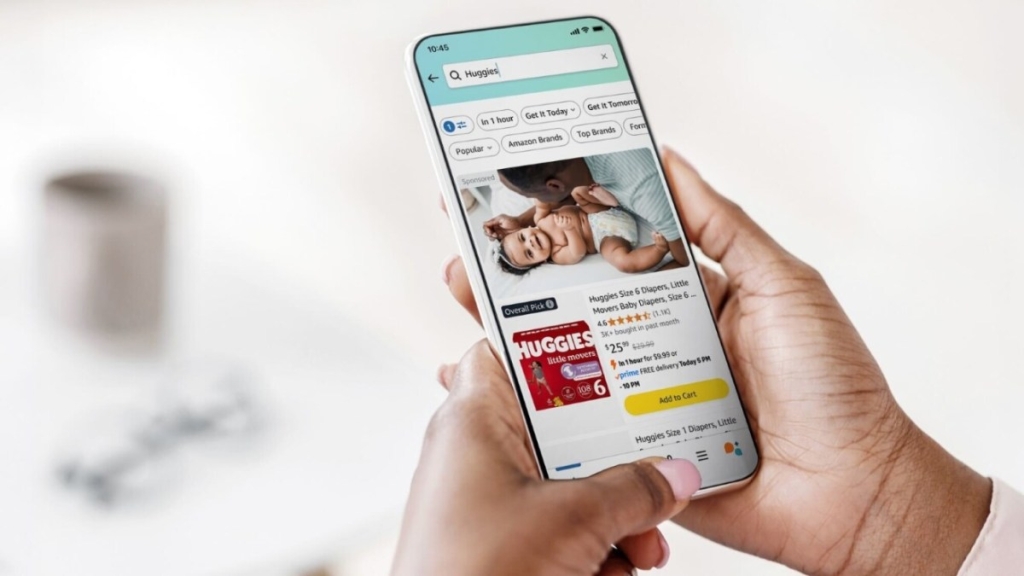
The retail behemoth is unleashing a staggering catalog of over 90,000 items that qualify for these accelerated delivery windows. When you’re browsing the Amazon app, qualifying products will now display clear labels indicating their availability for one-hour or three-hour delivery. For those who prefer to filter their shopping experience, Amazon has thoughtfully added dedicated filters to both the mobile app and desktop site, making it easier than ever to find products that can arrive at warp speed.
The Price of Instant Gratification
Speed comes at a cost, but Amazon has structured its pricing to be competitive while still maintaining healthy margins. Prime subscribers—the loyal customers who already pay $139 annually for premium benefits—will be charged $9.99 for one-hour deliveries and $4.99 for three-hour deliveries. For non-Prime customers, the convenience premium is steeper: $19.99 for one-hour delivery and $14.99 for three-hour delivery.
This pricing strategy is particularly clever. It not only generates additional revenue from Prime members (who are already Amazon’s most valuable customers) but also creates a compelling incentive for non-Prime users to consider subscription membership. The math is simple: if you need ultra-fast delivery more than a handful of times per year, Prime membership becomes the more economical choice.
Geographic Expansion: From Coast to Coast
Amazon isn’t dipping its toe into the instant delivery waters—it’s diving in headfirst. The one-hour delivery option is rolling out across hundreds of cities throughout the United States, including major metropolitan areas like Los Angeles, Chicago, and Washington, D.C., as well as mid-sized cities such as Des Moines, Boise, and American Fork. The three-hour delivery option casts an even wider net, covering over 2,000 U.S. cities and towns.
To make navigation easier for eager customers, Amazon has created a dedicated storefront at www.amazon.com/getitfast, serving as a central hub for all items eligible for these new lightning-fast delivery options. This centralized approach ensures that customers can quickly identify and access the products that can arrive at their doorstep in record time.
Behind the Scenes: Leveraging Existing Infrastructure
Rather than building an entirely new delivery network from scratch, Amazon is smartly leveraging its existing same-day fulfillment sites for these new delivery options. This strategic decision allows the company to scale quickly without massive capital expenditures, demonstrating Amazon’s operational efficiency and logistical prowess.
Udit Madan, Senior Vice President of Worldwide Operations at Amazon, articulated the company’s vision in a statement: “Our customers are busier than ever and are looking for new ways to save time while keeping their households running. We saw an opportunity to use our unique operational expertise and delivery network to help make customers’ lives a little easier while unlocking even more value for Prime members.”
This customer-centric approach has been the cornerstone of Amazon’s success, and it’s clear that the company sees instant delivery not just as a competitive weapon, but as a genuine solution to modern consumers’ time-strapped lifestyles.
A History of Innovation and Iteration
Amazon’s journey into instant delivery isn’t a sudden pivot—it’s the latest chapter in a long history of experimentation and refinement. Back in 2014, the company launched one-hour deliveries under the “Prime Now” service, which was eventually discontinued in 2021. More recently, in December 2025, Amazon piloted a 30-minute delivery option in Seattle and Philadelphia, pushing the boundaries of what’s possible in e-commerce logistics.
These previous attempts weren’t failures but rather valuable learning experiences that have informed the current strategy. Each iteration has brought Amazon closer to perfecting the instant delivery model, and the current rollout represents the culmination of years of testing, learning, and optimization.
Global Ambitions: Amazon’s Quick Commerce Strategy
While the U.S. launch is making headlines, Amazon’s ambitions for instant delivery extend far beyond American borders. In India, the company launched Amazon Now in 2024, offering a 10-minute delivery service for groceries and other essential items. This service has since expanded to multiple cities, demonstrating strong traction in one of the world’s fastest-growing e-commerce markets.
The company’s expansion into the United Arab Emirates in October of last year, promising deliveries within 15 minutes, further underscores Amazon’s commitment to dominating the quick commerce space globally. These international initiatives provide valuable data and operational insights that inform the U.S. rollout, creating a virtuous cycle of innovation and improvement.
The Competitive Landscape: Amazon vs. the Disruptors
Amazon’s move into instant delivery represents a direct challenge to companies that have built their businesses around ultra-fast delivery. Instacart, DoorDash, and Uber Eats have all carved out significant market share by offering rapid delivery of groceries, restaurant meals, and other essentials. However, Amazon brings formidable advantages to this battle: unmatched logistical infrastructure, vast product selection, and the ability to integrate delivery with its existing e-commerce platform.
The key question is whether Amazon can leverage these advantages to outcompete the specialists in instant delivery. While companies like DoorDash and Instacart have optimized their operations for speed, Amazon’s scale and resources could allow it to achieve similar or better performance while offering a much broader range of products.
The Future of Retail: Convenience as King
Amazon’s instant delivery initiative represents more than just a new service—it’s a glimpse into the future of retail. As consumers increasingly prioritize convenience and immediacy, the ability to deliver products within hours (or even minutes) is becoming a critical competitive differentiator. This trend is likely to accelerate as technology improves and consumer expectations continue to rise.
The implications extend beyond just e-commerce. As instant delivery becomes more widespread and affordable, it could fundamentally change how people shop, plan their days, and manage their households. The traditional model of weekly grocery shopping or advance planning for household essentials may give way to a more spontaneous, on-demand approach to consumption.
Economic and Environmental Considerations
While the convenience of instant delivery is undeniable, it’s worth considering the broader implications of this service. The environmental impact of increased delivery traffic, particularly for one-hour deliveries, could be significant. Amazon will need to balance the demand for speed with sustainability concerns, potentially through electric delivery vehicles, optimized routing, and consolidated deliveries.
From an economic perspective, instant delivery could create new jobs in logistics and delivery, but it may also put pressure on traditional retail models and local businesses. The convenience of having virtually anything delivered within hours could accelerate the shift away from brick-and-mortar retail, with profound implications for communities and local economies.
What This Means for Consumers
For the average consumer, Amazon’s instant delivery service represents a significant upgrade in convenience. Imagine running out of printer ink in the middle of an important project, realizing you’re missing a key ingredient for dinner, or needing a last-minute gift—all scenarios where one-hour delivery could be a game-changer.
The service also has potential applications beyond individual consumers. Small businesses could benefit from rapid restocking of supplies, healthcare providers might use it for urgent medical supplies, and emergency services could potentially leverage it for critical equipment.
The Road Ahead
As Amazon rolls out these new delivery options, the company will undoubtedly face challenges: maintaining consistent delivery times, managing customer expectations, and ensuring the service is profitable at scale. However, given Amazon’s track record of execution and innovation, it’s likely that the company will continue to refine and expand these services.
The launch of one-hour and three-hour delivery options marks another milestone in Amazon’s relentless pursuit of customer convenience. As the retail landscape continues to evolve, one thing is clear: the future of shopping is increasingly about not just what you buy, but how quickly you can get it. Amazon is betting that consumers are willing to pay a premium for that speed, and given the company’s history of successfully predicting and shaping consumer behavior, it’s a bet that could very well pay off.
tags: #Amazon #InstantDelivery #QuickCommerce #Prime #Ecommerce #Logistics #SameDayDelivery #TechInnovation #RetailRevolution #AmazonPrime #FastShipping #OnlineShopping #DeliveryServices #TechNews #BusinessStrategy
viral: Amazon launches one-hour delivery, Amazon vs Instacart, 90,000 items available instantly, Prime members get exclusive rates, three-hour delivery nationwide, Amazon’s quick commerce push, instant gratification shopping, Amazon’s delivery network, Udit Madan statement, Amazon Now expansion, 30-minute delivery pilot, e-commerce evolution, convenience economy, retail disruption, logistics innovation, sustainable delivery challenges, future of shopping, brick-and-mortar impact, job creation in delivery, environmental considerations, global quick commerce strategy, competitive landscape analysis, consumer behavior trends, economic implications, technology and retail convergence.
,


Leave a Reply
Want to join the discussion?Feel free to contribute!