
Amazon asks FCC for 2-year extension in Leo satellite deployment deadline, citing a rocket shortage
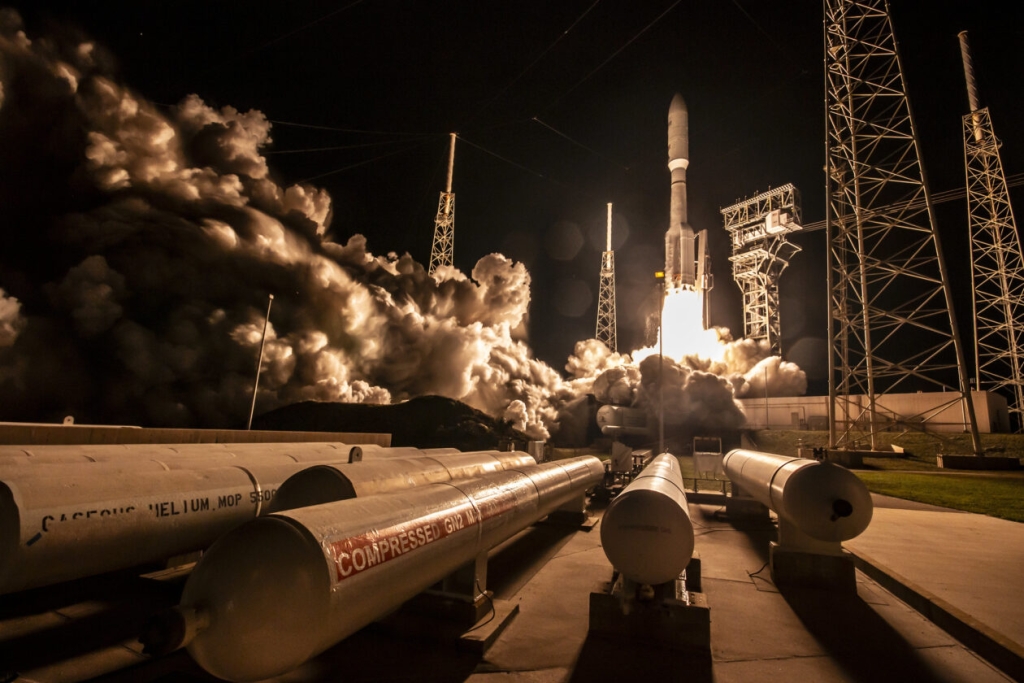
Amazon’s Satellite Internet Dream Faces Delays as Launch Bottlenecks Threaten Kuiper Timeline
In a major setback for Amazon’s ambitious Project Kuiper, the tech giant has officially requested a two-year extension from the Federal Communications Commission (FCC) to meet its satellite deployment targets. The company, which has invested over $10 billion into its low Earth orbit (LEO) broadband constellation, now says it won’t be able to deploy half of its planned 3,232 satellites by the original deadline of July 30, 2026.
Launch Delays Derail Amazon’s Satellite Production
The request for an extension comes as Amazon faces mounting challenges in securing timely rocket launches for its Kuiper satellites. Despite having reserved over 100 launches across multiple providers, the company says it’s grappling with a “shortage in the near-term availability of launches” driven by manufacturing disruptions, rocket failures, and limited spaceport capacity.
Amazon’s satellite manufacturing facility in Kirkland, Washington, has been forced to reduce its production rate despite having the capability to produce 30 satellites per week. The company has already manufactured hundreds of flight-qualified satellites but has had to adjust its production schedule due to delays in its launch manifest.
“We have the infrastructure and capacity to produce satellites at scale, but without reliable launch windows, we’re forced to slow down,” an Amazon spokesperson stated in the FCC filing.
Prototype Testing Creates Additional Setbacks
The timeline challenges aren’t solely launch-related. Amazon revealed that a prototype satellite test mission launched in 2023, while validating the general design, led to unexpected re-engineering efforts to improve performance and reliability. This critical effort delayed full-scale manufacturing by approximately nine months.
To date, Amazon has successfully launched 180 production-grade satellites using United Launch Alliance’s Atlas 5 rockets and SpaceX’s Falcon 9 vehicles. The company has additional launches scheduled on ULA’s Vulcan, Europe’s Ariane 6, and Blue Origin’s New Glenn rockets, with 10 more Falcon 9 launches reserved beyond the three already completed.
Market Competition Intensifies
Amazon’s request for an extension comes at a particularly challenging time for the satellite internet market. SpaceX’s Starlink currently dominates the sector with over 9,000 satellites launched and more than 9 million subscribers served. The network generated approximately $8 billion in profit last year, according to industry sources.
Adding to the competitive pressure, Blue Origin recently announced plans for its own ultra-high-speed satellite data network called TeraWave, raising speculation about potential partnerships or even a spinoff of Amazon’s Kuiper project.
What This Means for Amazon’s Timeline
Amazon maintains that it will meet the final deployment deadline of mid-2029 for all 3,232 satellites. The company expects to have 700 satellites in orbit by the end of July and plans to begin rolling out service more broadly to enterprise and government customers in the U.S. and globally.
Industry analysts suggest that the timing of Amazon’s extension request, coming so soon after Blue Origin’s TeraWave announcement, may not be coincidental. The company is actively seeking customer commitments in the coming months, making it crucial to address any questions about Kuiper’s future viability.
“The satellite internet race is heating up, and Amazon can’t afford to fall further behind,” noted one industry consultant. “This extension request, while necessary, highlights the challenges of competing in a market where SpaceX has already established a dominant position.”
Technical and Strategic Implications
The delays raise questions about Amazon’s long-term strategy for Kuiper. Some industry observers suggest that rather than launching 3,200 satellites of the current design, Amazon might benefit from developing a more advanced model that could better compete with SpaceX’s planned Starlink V3 upgrades.
The extension request also comes amid broader challenges at Amazon, including recent layoffs that have brought the company’s total job cuts to 30,000 since October. These workforce reductions add another layer of complexity to Amazon’s ambitious space internet project.
Looking Ahead
As Amazon awaits the FCC’s decision on its extension request, the company continues to push forward with its satellite manufacturing and launch preparations. The outcome of this request will have significant implications not just for Amazon’s Kuiper project, but for the broader satellite internet industry and global broadband access initiatives.
The satellite internet market is evolving rapidly, and Amazon’s ability to navigate these challenges while maintaining its competitive position will be crucial for the success of Project Kuiper and its vision of providing global broadband coverage.
Tags: Amazon Kuiper, satellite internet, FCC extension, Project Kuiper delay, SpaceX Starlink, Blue Origin TeraWave, satellite launch bottlenecks, Amazon satellite manufacturing, LEO constellation, broadband internet competition, space internet market, satellite deployment timeline, Amazon layoffs, satellite internet subscribers, rocket launch availability
Viral phrases: “Amazon’s $10 billion space bet hits turbulence,” “Satellite internet race heats up as Amazon seeks lifeline,” “From prototype to production hell: Amazon’s Kuiper struggles,” “SpaceX’s Starlink dominance faces new challenger… eventually,” “Blue Origin’s TeraWave announcement sends shockwaves through Amazon’s Kuiper plans,” “Manufacturing at scale but waiting on rockets,” “The great satellite launch bottleneck of 2024,” “Amazon’s space internet dreams delayed but not derailed,” “Can Amazon catch up in the satellite internet gold rush?”
,


Leave a Reply
Want to join the discussion?Feel free to contribute!