
Amazon Fire TV now blocks install of some sideloaded apps
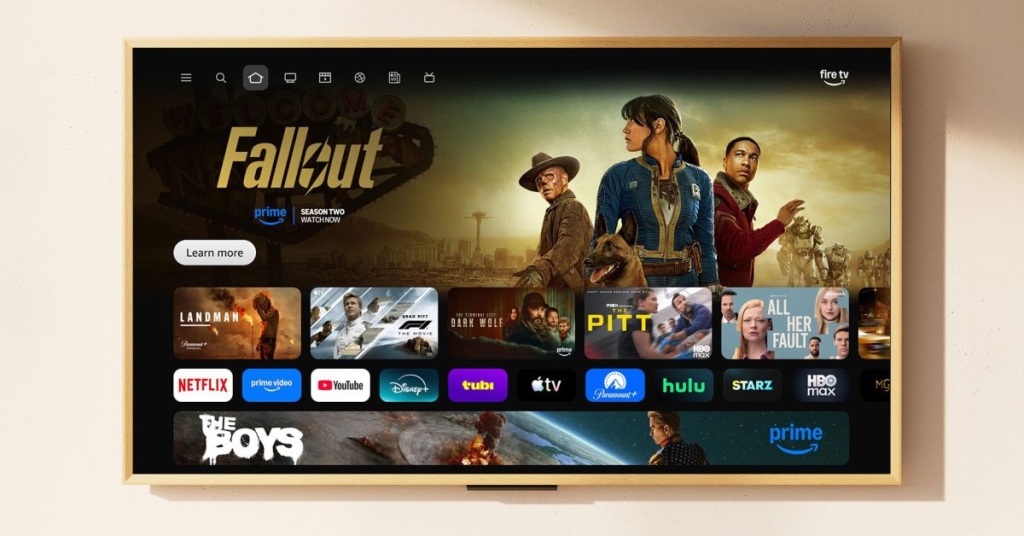
Amazon Tightens Grip on Fire TV Piracy: Now Blocking Sideloaded Apps Before They Even Install
In a sweeping escalation of its anti-piracy measures, Amazon has begun blocking the installation of certain sideloaded apps on Fire TV devices before users can even open them. This latest move marks a significant shift in Amazon’s strategy to combat unauthorized streaming and protect licensed content across its ecosystem.
The Evolution of Amazon’s Anti-Piracy Crusade
For months, Amazon has been waging a quiet but determined war against piracy on its Fire TV platform. The company initially targeted users who had already installed unauthorized apps by displaying intrusive pop-up warnings when they attempted to launch them. These warnings made it difficult—though not impossible—to access pirated content.
Now, Amazon has raised the stakes dramatically. According to reports from AFTVNews, Fire TV devices are now intercepting and blocking the installation of specific sideloaded applications entirely. When users attempt to install certain apps, they’re immediately met with a stark message: “App installation blocked.”
The message goes on to explain: “This app has been blocked because it provides access to unlicensed content.” It’s a clear, unambiguous statement of Amazon’s position on piracy.
The Technical Mechanics of the Block
What makes this development particularly noteworthy is the timing and method of enforcement. Rather than waiting until after installation to warn users, Amazon’s system now identifies and prevents the installation of flagged applications in real-time.
This proactive approach suggests Amazon has implemented more sophisticated detection mechanisms that can identify problematic apps during the installation process itself. The company appears to be maintaining a database of known piracy-related applications and cross-referencing attempted installations against this list.
Amazon’s Official Stance
When users encounter these blocks, Amazon directs them to a support page that leaves no room for ambiguity. The company explicitly states that it will not offer workarounds or exceptions to these restrictions.
“We have a thorough review process that identifies apps that use or provide access to unlicensed content,” the support page explains. “When an app is identified as using or providing access to unlicensed content, we inform you and provide the option to uninstall.”
Most tellingly, Amazon adds: “We can’t make exceptions as these measures protect all customers and content creators. Our device protections help safeguard you from risks associated with unlicensed content.”
The company positions these measures as protective rather than punitive, framing them as safeguards for both consumers and legitimate content creators.
The Broader Context: VegaOS and the Future of Fire TV
This crackdown comes at a pivotal moment for Amazon’s streaming hardware. The company is in the process of rolling out VegaOS, a complete overhaul of Fire TV’s operating system. Unlike the current Android-based platform, VegaOS represents a ground-up rebuild that will no longer be compatible with Android applications.
This fundamental architectural change means that sideloading—the practice of installing apps outside of Amazon’s official Appstore—will become significantly more difficult, if not impossible, for most users. Combined with the new installation-blocking measures, Amazon appears to be creating a walled garden approach to its streaming platform.
Industry Implications
Amazon’s aggressive stance reflects broader tensions in the streaming industry. As content creators and distributors invest billions in exclusive programming, the fight against piracy has intensified. Fire TV’s dominant market position makes it an attractive target for those seeking unauthorized access to premium content.
The move also highlights the delicate balance streaming platforms must strike between maintaining an open ecosystem that users appreciate and protecting the intellectual property that makes their services viable. Amazon’s approach suggests it has decided that protection of licensed content takes precedence over user flexibility.
What This Means for Users
For legitimate Fire TV users, these changes may be largely invisible—unless they were using sideloaded apps for piracy. Those who relied on unauthorized streaming applications will find their options increasingly limited.
The crackdown may also affect users who sideloaded apps for legitimate purposes, such as accessing region-locked content or using specialized applications not available in the Amazon Appstore. These users may find themselves caught in the crossfire of Amazon’s anti-piracy efforts.
The Cat-and-Mouse Game Continues
History suggests that determined users will likely find ways around these restrictions. The piracy ecosystem has proven remarkably resilient, with new methods and applications emerging to replace those that are blocked. However, Amazon’s escalating measures raise the technical bar for circumvention, potentially deterring casual users from attempting to bypass the restrictions.
Looking Ahead
As streaming continues to evolve, expect similar battles to play out across other platforms. The tension between open ecosystems and content protection is unlikely to be resolved anytime soon. Amazon’s aggressive stance on Fire TV may well serve as a template for other streaming device manufacturers grappling with similar challenges.
The question remains whether these measures will ultimately prove effective in reducing piracy or simply push determined users toward more sophisticated circumvention methods. What’s clear is that Amazon has firmly committed to making piracy more difficult on its platform, signaling a new era of digital rights management in the streaming age.
Tags/Viral Phrases:
Amazon Fire TV piracy crackdown
Sideloaded apps blocked
VegaOS anti-piracy measures
Streaming platform war on piracy
Unlicensed content detection
Fire TV installation blocking
Amazon’s walled garden approach
Digital rights management escalation
Streaming content protection
Piracy ecosystem resilience
Fire TV user restrictions
Content creator protection measures
Streaming device security features
Amazon Appstore exclusivity push
Piracy circumvention challenges
Streaming platform control measures
Fire TV user experience changes
Digital content licensing enforcement
Streaming hardware security evolution
Piracy deterrence strategies
,


Leave a Reply
Want to join the discussion?Feel free to contribute!