
Amazon hits sellers with ‘fuel surcharge’ as Iran war roils global energy markets
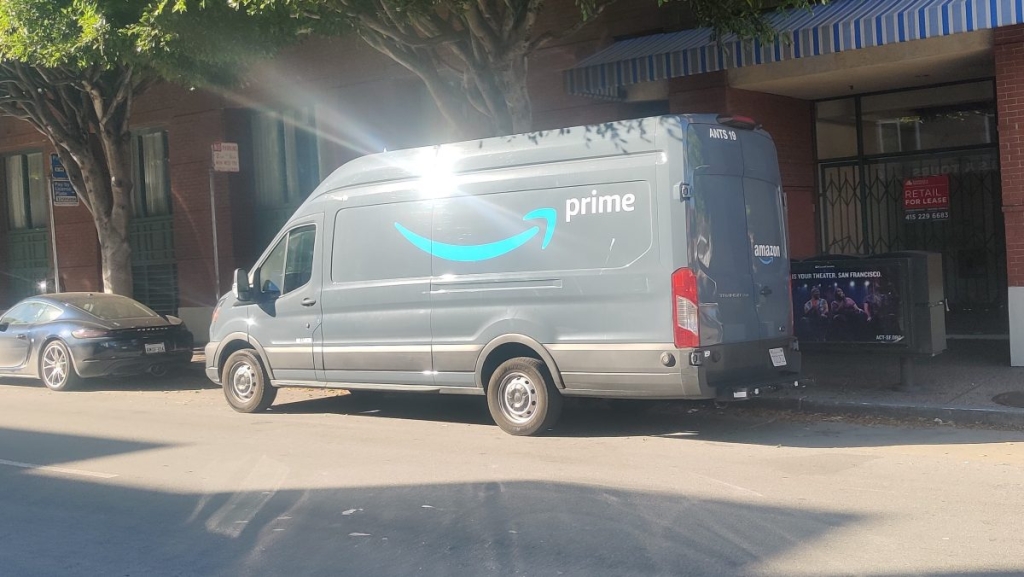
Amazon Slaps 3.5% Fuel Surcharge on Sellers Amid Iran War-Driven Oil Crisis
Amazon has just dropped a bombshell on its third-party sellers, rolling out a new 3.5% fuel surcharge that’s set to hit sellers’ wallets hard starting April 17. The move comes as global oil markets reel from the ongoing war in Iran, which has sent crude prices skyrocketing and gas prices in the U.S. climbing to painful new highs.
The surcharge specifically targets merchants using Amazon’s Fulfillment by Amazon (FBA) service—the backbone of the platform’s third-party marketplace. For the uninitiated, FBA allows sellers to ship their products to Amazon’s warehouses, where the e-commerce giant handles storage, packing, and shipping to customers. It’s a massive operation that powers the vast majority of third-party sales on the platform, though Amazon doesn’t publicly disclose exact numbers.
“We have absorbed these increases so far, but similar to other major carriers, when costs remain elevated we implement temporary surcharges to partially recover these costs,” an Amazon spokesperson told TechCrunch. The company claims the 3.5% fee is “meaningfully lower than surcharges applied by other major carriers,” but that’s cold comfort for merchants already squeezed by inflation, supply chain headaches, and razor-thin margins.
This isn’t Amazon’s first rodeo with fuel surcharges. The company first implemented a similar fee back in 2022, when Russia’s invasion of Ukraine sent energy markets into chaos. History, it seems, is rhyming—only this time, the catalyst is the war in Iran, triggered by the Trump administration and Israeli government’s controversial assassination of Iran’s Supreme Leader.
The timing is brutal. Iran sits strategically along the Strait of Hormuz, a narrow shipping lane through which roughly 20% of the world’s oil supply flows. In recent weeks, Iran has actively sought to block these vital shipping routes, sending energy prices into a frenzy. Oil prices have flirted with $200 per barrel, and analysts warn they could climb even higher if the situation deteriorates further.
For Amazon sellers, the surcharge is more than just an annoyance—it’s a potential existential threat. Many small and medium-sized businesses operate on profit margins so thin that even a 3.5% increase in fulfillment costs could wipe out their earnings entirely. And unlike Amazon, which can absorb costs across its massive operations, individual sellers don’t have that luxury.
The timing also raises eyebrows. Amazon has faced increasing scrutiny over its treatment of third-party sellers, with critics accusing the company of using its market dominance to squeeze out competition. The surcharge comes at a time when sellers are already grappling with Amazon’s rising fees, algorithm changes, and the ever-present threat of being deplatformed for minor infractions.
Amazon insists the surcharge is temporary and will be reevaluated as market conditions evolve. But in the volatile world of global oil markets, “temporary” can mean anything from a few weeks to several years. Sellers are left wondering whether this is a short-term pain or the new normal.
The broader implications are staggering. If Amazon, the world’s largest e-commerce platform, is passing on fuel costs to sellers, what does that mean for the entire industry? Will other platforms follow suit? And how will this affect consumer prices, which are already under pressure from inflation?
For now, sellers are bracing for impact. Many are exploring alternatives, from diversifying their sales channels to negotiating better terms with suppliers. But for those locked into Amazon’s ecosystem, the 3.5% surcharge is a stark reminder of just how precarious their position is in the company’s vast marketplace.
As the war in Iran continues to roil global markets, one thing is clear: the ripple effects are being felt far beyond the battlefield. From gas pumps to online shopping carts, the cost of conflict is being passed down the line—and Amazon’s sellers are the latest to feel the pinch.
Tags: Amazon, fuel surcharge, Iran war, oil prices, Fulfillment by Amazon, FBA, third-party sellers, global oil markets, Strait of Hormuz, e-commerce, supply chain, inflation, Trump administration, Israeli government, Supreme Leader assassination, crude oil, gas prices, temporary surcharge, market conditions, energy crisis, shipping lanes, small businesses, profit margins, algorithm changes, deplatforming, consumer prices, sales channels, suppliers, marketplace dominance, conflict costs
Viral Sentences:
- “Amazon just dropped a bombshell on its third-party sellers with a new 3.5% fuel surcharge!”
- “The war in Iran is hitting your wallet—Amazon’s latest move proves it.”
- “Is this the new normal for Amazon sellers? A 3.5% surcharge amid global chaos.”
- “From gas pumps to online shopping carts, the cost of conflict is being passed down the line.”
- “Amazon’s sellers are the latest to feel the pinch as the Iran war roils global markets.”
- “Small businesses are bracing for impact—can they survive Amazon’s 3.5% surcharge?”
- “History is rhyming: Amazon’s fuel surcharge echoes 2022’s Ukraine war chaos.”
- “The Strait of Hormuz is more than a shipping lane—it’s the epicenter of your rising costs.”
- “Amazon insists it’s temporary, but sellers are left wondering: how long is ‘temporary’?”
- “The ripple effects of the Iran war are being felt far beyond the battlefield.”
,

Leave a Reply
Want to join the discussion?Feel free to contribute!