
Amazon’s ‘Melania’ documentary stumbles in second weekend
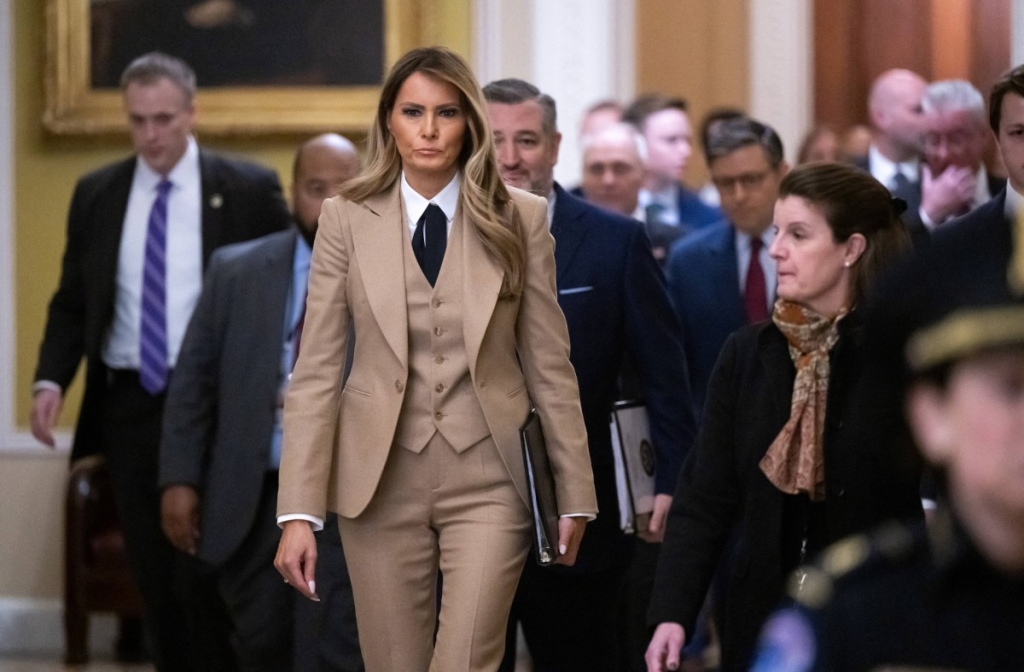
Amazon’s “Melania” Documentary Tanks at Box Office in Second Weekend, Raising Questions Over $75 Million Investment
In a stunning turn of events that has Hollywood analysts buzzing, Amazon’s highly controversial documentary about former First Lady Melania Trump experienced a catastrophic 67% drop in box office revenue during its second weekend, plummeting from an initially promising debut to a meager $2.37 million in ticket sales. The dramatic decline has intensified scrutiny over Amazon’s massive $75 million investment in the project—$40 million for acquisition rights and an additional $35 million poured into marketing—leaving industry experts questioning whether the tech giant’s ambitious foray into politically charged documentary filmmaking was a strategic miscalculation or something more nefarious.
The documentary, simply titled “Melania,” opened to what many considered surprisingly strong numbers for a political documentary, grossing approximately $7 million during its debut weekend. This performance exceeded initial projections and sparked speculation about the film’s potential commercial viability. However, the subsequent nosedive in attendance has effectively dashed any hopes of the film achieving profitability through traditional theatrical distribution channels.
As of the latest box office reporting, “Melania” has accumulated a total domestic gross of $13.5 million, with the vast majority of this revenue generated within the United States. This figure represents less than 20% of Amazon’s combined acquisition and marketing expenditure, making it virtually impossible for the documentary to recoup its costs through theatrical exhibition alone. Industry analysts suggest that Amazon may need to rely heavily on its streaming platform, Prime Video, to generate sufficient viewership and justify the substantial financial commitment.
The timing of the release coincided with Super Bowl weekend, a period traditionally characterized by reduced movie attendance as audiences prioritize football festivities over cinema outings. Nevertheless, the comparison to other films released during the same period highlights the severity of “Melania’s” decline. While the weekend’s top-performing film, “Send Help,” experienced a relatively modest 47% drop in revenue, “Melania” suffered more than double that percentage loss. Furthermore, the documentary’s fall from third place in box office rankings during its opening weekend to ninth place in its second weekend underscores the rapid erosion of audience interest.
The film’s commercial performance has reignited speculation about Amazon’s motivations for acquiring such an expensive project. Prior to the documentary’s release, a former Amazon film executive publicly questioned whether the $40 million price tag could be justified by anything other than an attempt to “curry favor” with the Trump administration or constitute “an outright bribe.” These allegations, while unproven, have gained renewed traction in light of the film’s disappointing financial returns and the political sensitivity surrounding its subject matter.
Critics have been uniformly harsh in their assessment of “Melania,” with the documentary receiving universally negative reviews across major publications. The film currently holds a dismal score on review aggregation platforms, reflecting widespread criticism of its production quality, narrative structure, and perceived lack of journalistic rigor. Despite this critical drubbing, the documentary managed to achieve a remarkable 99% audience score on Rotten Tomatoes, a statistic so extraordinary that the review platform felt compelled to issue an official statement affirming the authenticity of the rating. This stark disconnect between critical and audience reception has fueled ongoing debates about the film’s true merit and the potential influence of partisan sentiment on viewer evaluations.
In response to mounting questions about the documentary’s theatrical performance, Amazon issued a statement through Kevin Wilson, the company’s head of domestic theatrical distribution. Wilson emphasized that theatrical releases and streaming platforms represent “two distinct value creating moments that amplify the film’s overall impact,” suggesting that Amazon views the documentary’s theatrical run as part of a broader, multi-platform strategy rather than a standalone commercial venture. This perspective aligns with Amazon’s vertically integrated business model, which leverages its vast ecosystem of services to maximize the value of its content investments.
The controversy surrounding “Melania” extends beyond its financial performance and critical reception. The documentary’s subject matter—Melania Trump, a figure who remains polarizing in American political discourse—has ensured that the film has become a lightning rod for partisan debate. Supporters view it as an important corrective to what they perceive as unfair media coverage of the former First Lady, while detractors dismiss it as propaganda designed to rehabilitate the Trump family’s public image. This political dimension has undoubtedly influenced both the film’s reception and the intense scrutiny of Amazon’s decision to acquire and distribute it.
As the documentary transitions from theaters to streaming, all eyes will be on Prime Video to determine whether the film can achieve the viewership numbers necessary to justify Amazon’s substantial investment. The company’s willingness to absorb significant losses on high-profile projects is not unprecedented—Amazon has historically prioritized strategic objectives over immediate profitability in its entertainment ventures. However, the scale of the financial commitment and the political sensitivity of this particular project make “Melania” a unique case study in the intersection of technology, media, and politics.
Industry observers will be watching closely to see how Amazon navigates the fallout from this high-profile misstep and whether it will adjust its content acquisition strategy in response to the documentary’s underwhelming performance. The episode raises important questions about the role of major tech companies in shaping political narratives through media production and distribution, as well as the commercial risks associated with politically charged content in an increasingly polarized media landscape.
For now, “Melania” stands as a cautionary tale about the perils of mixing entertainment, politics, and massive financial investments—a reminder that even the world’s most valuable companies are not immune to the unpredictable dynamics of audience reception and market forces.
Tags: Amazon, Melania Trump, documentary, box office, theatrical release, streaming, Prime Video, political controversy, media investment, Hollywood, Super Bowl weekend, Rotten Tomatoes, audience score, critical reception, Kevin Wilson, content strategy, partisan debate, tech industry, media production, commercial performance, financial risk, political narratives, market forces, entertainment, politics, media landscape, vertical integration, content acquisition, audience reception, strategic miscalculation, political sensitivity, partisan sentiment, journalistic rigor, narrative structure, production quality, media coverage, Trump administration, political discourse, vertically integrated business model, viewership numbers, financial commitment, content investments, entertainment ventures, high-profile projects, immediate profitability, strategic objectives, politically charged content, polarizing figure, former First Lady, documentary filmmaking, theatrical distribution, acquisition rights, marketing expenditure, revenue generation, audience interest, commercial viability, financial returns, critical drubbing, review aggregation, partisan debate, lightning rod, public image, media production, distribution strategy, high-profile misstep, content acquisition strategy, media narratives, tech companies, audience reception, market dynamics, commercial risks, polarized media landscape, cautionary tale, massive financial investments, world’s most valuable companies, unpredictable dynamics, audience reception, market forces, theatrical exhibition, streaming platform, financial commitment, political sensitivity, critical reception, commercial performance, financial returns, critical drubbing, review aggregation, partisan debate, lightning rod, public image, media production, distribution strategy, high-profile misstep, content acquisition strategy, media narratives, tech companies, audience reception, market dynamics, commercial risks, polarized media landscape, cautionary tale, massive financial investments, world’s most valuable companies, unpredictable dynamics
,


Leave a Reply
Want to join the discussion?Feel free to contribute!