
Amazon's Ring ends deal with surveillance firm after backlash
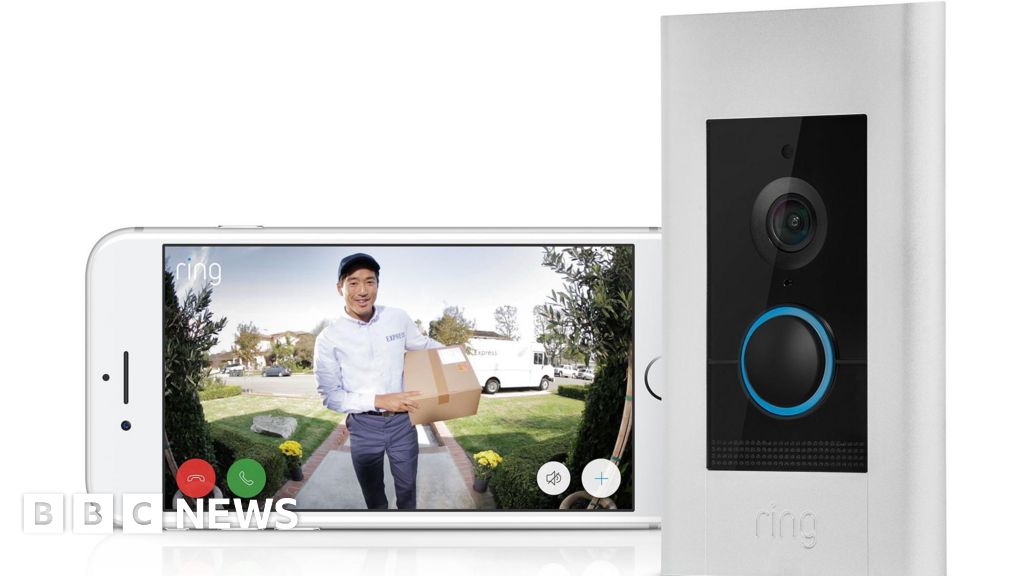
A single Super Bowl advertisement has ignited a firestorm of debate over the privacy practices of one of the world’s most popular smart doorbell companies. The high-profile commercial, which aired during the most-watched television event in the United States, has drawn both praise for its innovative marketing and sharp criticism for what many see as a tone-deaf approach to consumer privacy.
The advertisement in question, which featured a series of vignettes showcasing the convenience and security benefits of the company’s flagship product, was designed to appeal to a broad audience by highlighting real-life scenarios where the device could enhance safety and connectivity. However, critics argue that the ad glosses over significant concerns about data collection, surveillance, and the potential for misuse of personal information.
Privacy advocates have long raised alarms about the company’s data-handling practices, pointing to its partnerships with law enforcement agencies and the vast network of cameras it operates. The Super Bowl ad, they say, serves as a stark reminder of how these devices have become ubiquitous in American homes, often without users fully understanding the implications.
The controversy has been further fueled by recent reports detailing how the company’s devices can capture audio and video beyond the intended scope, raising questions about consent and the boundaries of surveillance. Some lawmakers have called for stricter regulations on smart home devices, arguing that the current framework is insufficient to protect consumers from potential abuses.
In response to the backlash, the company has defended its practices, emphasizing its commitment to user privacy and transparency. It has pointed to features such as end-to-end encryption and user controls as evidence of its dedication to safeguarding personal data. However, skeptics remain unconvinced, noting that the company’s business model relies heavily on data collection and analysis.
The debate has also extended to the broader tech industry, with some observers suggesting that the Super Bowl ad represents a turning point in how companies approach the marketing of privacy-sensitive products. As consumers become increasingly aware of the trade-offs involved in adopting smart home technology, companies may need to rethink their strategies to address growing concerns about data security and surveillance.
The timing of the ad’s release is particularly noteworthy, coming amid a broader cultural reckoning over privacy and technology. High-profile data breaches, the rise of facial recognition technology, and the increasing sophistication of AI-driven surveillance have all contributed to a heightened sense of unease about the role of technology in everyday life.
For many, the Super Bowl ad serves as a microcosm of the larger tensions at play in the tech industry. On one hand, these devices offer undeniable benefits in terms of convenience and security. On the other, they raise profound questions about the balance between innovation and privacy, and the extent to which individuals are willing to trade personal data for technological advancement.
As the controversy continues to unfold, it is clear that the conversation around smart home devices and privacy is far from over. With lawmakers, advocacy groups, and consumers all weighing in, the pressure on companies to address these concerns is only likely to grow. Whether the Super Bowl ad will be remembered as a bold marketing move or a cautionary tale about the perils of ignoring privacy remains to be seen.
In the meantime, the debate serves as a reminder of the complex and often fraught relationship between technology and society. As smart home devices become increasingly integrated into daily life, the need for thoughtful, nuanced discussions about their impact has never been greater. The Super Bowl ad may have been designed to sell products, but it has also sparked a much-needed conversation about the future of privacy in the digital age.
Tags and Viral Phrases:
- Smart doorbell controversy
- Super Bowl ad privacy backlash
- Tech privacy concerns
- Data collection and surveillance
- Consumer privacy rights
- Smart home security debate
- Ring doorbell scrutiny
- Law enforcement partnerships
- End-to-end encryption
- Facial recognition technology
- AI-driven surveillance
- Data breaches and privacy
- Tech industry accountability
- Consumer awareness and consent
- Privacy regulations and reform
- Digital age privacy challenges
- Ubiquitous smart devices
- Innovation vs. privacy
- Tech marketing and ethics
- Future of smart home technology
,


Leave a Reply
Want to join the discussion?Feel free to contribute!