
AMD just gave desktop PCs an AI brain with the Ryzen AI 400 series
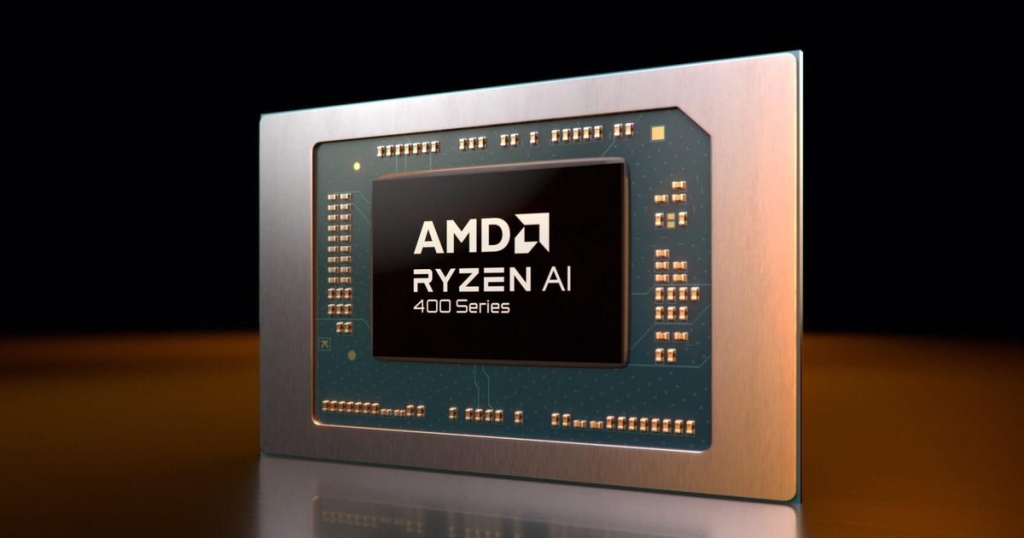
AMD Unleashes Ryzen AI 400 Series: The Desktop Copilot+ Revolution Has Arrived
At Mobile World Congress 2026, AMD dropped a bombshell that’s sending shockwaves through the PC industry: the Ryzen AI 400 and Ryzen AI PRO 400 series processors, bringing dedicated Neural Processing Units (NPUs) to desktop computing for the first time. This isn’t just an incremental upgrade—it’s a paradigm shift that brings “Copilot+ PC” capabilities to your desktop, marking a pivotal moment in the AI PC revolution.
The Game-Changing Technology Behind Ryzen AI 400
AMD’s latest processors combine three critical technologies in a single package that’s poised to redefine desktop computing. The Ryzen AI 400 series pairs high-performance Zen 5 CPU cores with AMD’s integrated Radeon RDNA 3.5 graphics and, most importantly, a second-generation AMD XDNA 2 NPU. This dedicated AI accelerator delivers up to 50 TOPS (trillions of operations per second) of AI compute power—matching the capabilities previously reserved for premium mobile processors.
The integration of this NPU means desktop systems can now handle on-device AI tasks that were previously impossible without cloud connectivity. From local large language model (LLM) usage to sophisticated Copilot+ workflows, these processors enable intelligent computing that runs entirely on your machine, independent of internet connectivity.
Consumer and Enterprise Options: There’s a Chip for Everyone
AMD isn’t just targeting gamers and enthusiasts with this launch. The company has strategically split its lineup into two distinct series to address different market segments. The Ryzen AI 400 series targets mainstream consumers, while the Ryzen AI PRO 400 series brings enterprise-grade features to businesses and professional users.
The PRO variants include enhanced security features, improved manageability, and enterprise-grade capabilities that make them ideal for corporate deployments. This dual-pronged approach allows AMD to capture both the exploding consumer AI PC market and the traditionally conservative enterprise segment simultaneously.
The Full Ryzen AI 400 Lineup: Power Meets Efficiency
AMD’s comprehensive lineup spans multiple configurations to suit every need:
Ryzen AI 7 450G: 8 cores/16 threads, up to 5.1 GHz, 65W TDP, Radeon 860M graphics with 8 cores, 24MB cache
Ryzen AI 5 440G: 6 cores/12 threads, up to 4.8 GHz, 65W TDP, Radeon 840M graphics with 4 cores, 22MB cache
Ryzen AI 5 435G: 6 cores/12 threads, up to 4.5 GHz, 65W TDP, Radeon 840M graphics with 4 cores, 14MB cache
Ryzen AI 7 450GE: 8 cores/16 threads, up to 5.1 GHz, 35W TDP, Radeon 860M graphics with 8 cores, 24MB cache
Ryzen AI 5 440GE: 6 cores/12 threads, up to 4.8 GHz, 35W TDP, Radeon 840M graphics with 4 cores, 22MB cache
Ryzen AI 5 435GE: 6 cores/12 threads, up to 4.5 GHz, 35W TDP, Radeon 840M graphics with 4 cores, 14MB cache
The PRO series mirrors these configurations with added enterprise features, ensuring businesses can deploy AI-capable systems without compromising on security or manageability.
Why This Matters: The AI PC Revolution Hits Desktops
While Microsoft’s Copilot strategy has faced criticism for being confusing and fragmented, AMD’s integration of dedicated NPUs into mainstream desktop processors addresses a critical gap in the market. Desktop systems have traditionally relied on powerful discrete GPUs for AI workloads, but this approach has limitations in terms of power efficiency, cost, and accessibility.
The Ryzen AI 400 series changes this equation by bringing dedicated AI acceleration to a much broader audience. Users no longer need to invest in expensive discrete GPUs to access advanced AI features. This democratization of AI computing could accelerate the adoption of intelligent applications across various sectors.
Real-World Benefits: What You Can Actually Do
The 50 TOPS NPU capability enables several transformative features:
Offline AI Assistants: Run sophisticated AI assistants and workflows without internet connectivity, ensuring privacy and reliability.
On-Device Model Inference: Execute complex AI models locally without cloud reliance, reducing latency and improving response times.
Context-Aware Computing: Enable intelligent features that understand and adapt to your workflow, enhancing productivity.
Enhanced Privacy: Keep sensitive data local rather than sending it to the cloud, addressing growing privacy concerns.
Improved Performance: Offload AI workloads from the CPU and GPU, freeing up resources for other tasks.
Market Impact and Availability
The Ryzen AI 400 series is scheduled to hit the market in Q2 2026, with major OEMs like HP and Lenovo already preparing their product lineups. These processors are based on the AM5 socket design, ensuring compatibility with existing motherboard ecosystems while providing a clear upgrade path for users.
This launch positions AMD as a serious contender in the AI PC race, challenging Intel’s Meteor Lake and upcoming Arrow Lake processors. By bringing NPU capabilities to desktop computing, AMD is expanding the addressable market for AI applications beyond just mobile devices.
The Bigger Picture: AI Computing for Everyone
AMD’s move represents more than just a new processor launch—it’s a statement about the future of computing. As AI becomes increasingly central to how we interact with technology, having dedicated hardware for these workloads is transitioning from a luxury to a necessity.
The Ryzen AI 400 series makes this future accessible to desktop users, breaking down the barrier that previously confined advanced AI features to mobile devices or high-end workstations. This could accelerate the development of AI applications optimized for desktop environments, creating a virtuous cycle of innovation.
Tags and Viral Phrases
AI PC revolution, Copilot+ desktop, Ryzen AI 400 series, AMD NPU, 50 TOPS AI compute, Zen 5 desktop processors, XDNA 2 technology, Radeon RDNA 3.5 graphics, enterprise AI computing, on-device AI processing, local LLM execution, AI workstation capabilities, desktop neural processing, AM5 socket AI, next-gen desktop computing, AI democratization, intelligent desktop assistants, privacy-focused AI, context-aware computing, AI hardware acceleration, desktop Copilot features, enterprise-grade AI processors, AMD vs Intel AI race, AI PC market expansion, local AI workflows, offline AI capabilities, AI model inference desktop, AMD Ryzen PRO 400, Q2 2026 desktop launch, AI computing future, dedicated NPU desktop, intelligent desktop productivity, AI application development, hardware AI acceleration, AI technology democratization, next-generation desktop AI, AI computing accessibility, enterprise AI deployment, AI PC innovation, desktop AI transformation, intelligent computing future, AI hardware integration, Ryzen AI breakthrough, AI desktop revolution, computing paradigm shift, AI technology advancement, desktop AI capabilities, intelligent system architecture, AI processing power, neural network acceleration, AI computing evolution.
,

Leave a Reply
Want to join the discussion?Feel free to contribute!