
AMD Medusa Point leak hints at more Zen 6 cores, higher cache, and performance boost
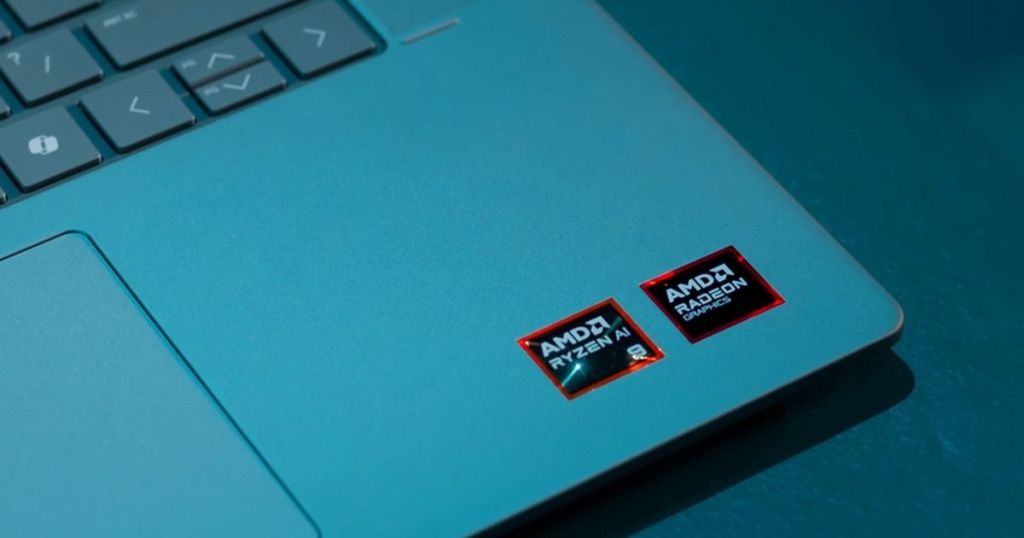
AMD’s Next-Gen Zen 6 CPUs Leak: What It Means for Future Ryzen Laptops
AMD’s next-generation laptop CPUs may have just made their first public appearance, and they’re already raising eyebrows. According to recent reports, an early AMD “Medusa Point” processor based on Zen 6 architecture has surfaced on Geekbench, offering the first real glimpse at what could power Ryzen AI chips in 2027.
The leak reveals a 10-core, 20-thread engineering sample running at surprisingly low clock speeds of around 2.0–2.4GHz. While early silicon rarely reflects final performance, the Geekbench listing (Geekbench 6 ID: 17097930) has sparked intense speculation about AMD’s architectural direction.
Performance Potential That Defies Expectations
Despite the modest clock speeds, the leaked chip reportedly outperforms a comparable 10-core Zen 5 processor in early benchmarks. This suggests AMD may be targeting significant IPC (instructions per clock) improvements with Zen 6—potentially the biggest leap in single-threaded performance since Zen 3.
The chip features 32MB of L3 cache, a configuration not currently available in AMD’s mobile lineup, hinting at substantial architectural changes. If AMD can deliver meaningful IPC gains while maintaining competitive clock speeds, Zen 6 could represent a major performance breakthrough.
AMD’s Hybrid Strategy Finally Arrives
Perhaps the most intriguing revelation is AMD’s apparent shift toward hybrid core designs. The 10-core configuration is expected to combine standard Zen 6 performance cores with more efficient “dense” cores—essentially AMD’s answer to Intel’s hybrid approach that’s dominated the laptop market.
This strategic pivot could dramatically improve battery life without sacrificing performance when needed. The hybrid architecture would allow laptops to intelligently allocate workloads between high-performance and high-efficiency cores, optimizing for both power and longevity.
Graphics and AI Capabilities Get a Major Boost
The Medusa Point chips aren’t just about CPU performance. They’re expected to feature significantly upgraded integrated graphics, potentially based on RDNA 3.5+ or even RDNA 4 architecture. This represents a substantial leap from current RDNA 3-based iGPUs found in Ryzen 8000-series chips.
AI capabilities are also getting a major upgrade, positioning these chips perfectly for next-generation Copilot+ PCs. With Microsoft pushing AI features harder than ever, AMD’s enhanced neural processing capabilities could be a key differentiator.
What This Means for 2027 Laptops
If these leaks prove accurate, 2027’s Ryzen AI laptops could be dramatically different from today’s offerings. We’re potentially looking at devices that are faster, smarter, and more efficient—a trifecta that’s historically been difficult to achieve simultaneously.
The combination of hybrid cores, improved IPC, better graphics, and enhanced AI processing suggests AMD is preparing for a comprehensive platform refresh rather than incremental improvements.
The Reality Check
Before getting too excited, it’s crucial to remember this is extremely early silicon. Engineering samples often undergo dramatic changes before reaching consumers, and clock speeds shown here are almost certainly not final. The 2027 timeline also means we’re looking at a chip that’s likely 18-24 months from retail availability.
However, if AMD’s direction holds, Zen 6 could mark a pivotal moment in laptop CPU evolution—potentially closing the gap with Intel’s hybrid designs while pushing performance to new heights.
AMD appears to be betting big on architectural innovation rather than raw clock speed increases, a strategy that could pay off handsomely in the increasingly competitive laptop processor market.
Tags: AMD Zen 6, Ryzen AI, Medusa Point, laptop CPU, hybrid cores, Geekbench leak, 2027 processors, RDNA graphics, IPC improvements, Copilot+ PC
Viral phrases: “Game-changer for AMD,” “Intel’s worst nightmare,” “The future of mobile computing,” “Performance revolution,” “Battery life breakthrough,” “AI-powered laptops,” “Next-gen computing,” “Architectural masterpiece,” “The wait is worth it,” “Mobile CPU wars heat up”
,

Leave a Reply
Want to join the discussion?Feel free to contribute!