
AMD suggests the next-gen Xbox will arrive in 2027
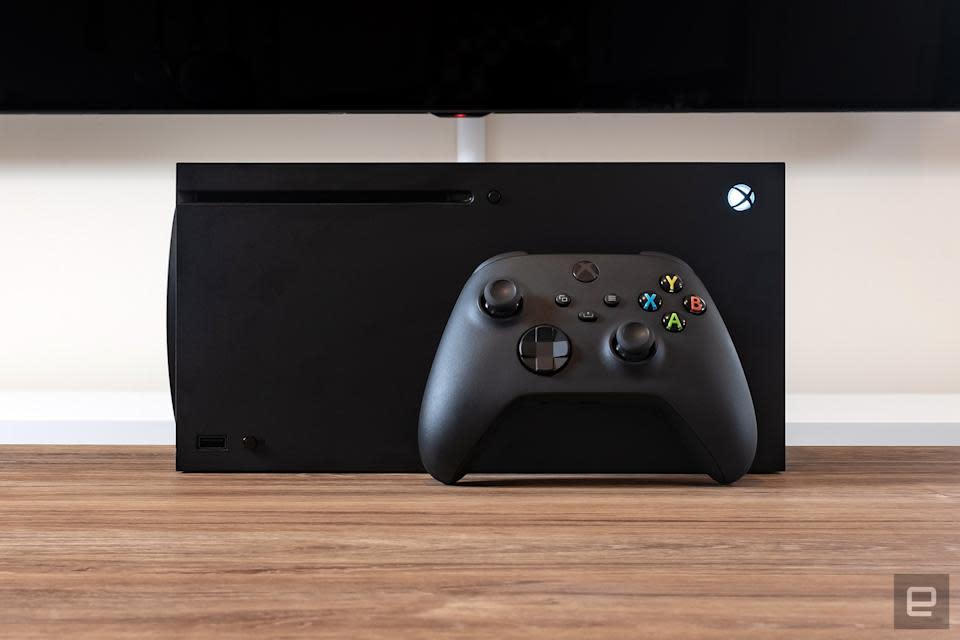
Microsoft Eyes 2027 Launch for Next-Gen Xbox as AMD Partnership Deepens
In a bombshell revelation during AMD’s latest earnings call, CEO Lisa Su has dropped a major hint about the future of console gaming, confirming that Microsoft’s next-generation Xbox console is on track for a potential 2027 release window. This announcement has sent shockwaves through the gaming industry, as speculation about Microsoft’s console strategy reaches fever pitch.
Su’s comments came as part of a broader discussion about AMD’s partnerships across the tech landscape. She revealed that Valve’s highly anticipated Steam Deck 2, powered by AMD’s cutting-edge silicon, is scheduled to begin shipping early this year. More significantly, she stated that Microsoft’s development of an Xbox featuring a semi-custom AMD system-on-chip (SOC) is “progressing well to support a launch in 2027.”
While this doesn’t constitute an official announcement from Microsoft, industry analysts are reading between the lines. The 2027 timeline represents a potential acceleration of Microsoft’s console roadmap, especially considering that the current Xbox Series X and Series S consoles launched in November 2020, making them roughly seven years old by the projected release date.
This revelation comes hot on the heels of Xbox president Sarah Bond’s announcement in mid-2025 about Microsoft’s multi-year partnership with AMD. Bond’s statement at the time emphasized the companies’ commitment to “co-engineer silicon” across devices, both “in your living room and in your hands.” This language strongly suggests that Microsoft is planning a comprehensive ecosystem approach, potentially including next-generation handheld consoles alongside traditional home systems.
The partnership’s focus on artificial intelligence and machine learning integration is particularly noteworthy. Bond indicated that future Xbox games would increasingly leverage these technologies, potentially revolutionizing gameplay experiences, graphics rendering, and in-game physics. This AI-centric approach could give Microsoft a significant competitive advantage in the ongoing console wars.
However, this 2027 timeline appears to conflict with information that emerged during the FTC vs. Microsoft court battle. Leaked documents from that legal proceeding suggested Microsoft was planning a “hybrid game platform” that would combine local hardware with cloud computing capabilities, with a planned release in 2028. The discrepancy between these timelines has led to intense speculation about whether Microsoft might be accelerating its plans or if different product categories are being targeted for different release windows.
The potential for an accelerated console cycle makes strategic sense given market dynamics. The current Xbox Series X and Series S have not performed as well as their predecessors, the Xbox One, particularly in key markets like the United States. Meanwhile, Sony’s PlayStation 5 has consistently outpaced both its predecessor and Microsoft’s offerings. A 2027 release would represent a six-year console cycle, shorter than the typical seven to eight years seen in previous generations, but not unprecedented in the rapidly evolving gaming landscape.
Industry experts suggest several factors could be driving Microsoft’s potential timeline adjustment. The rapid advancement of semiconductor technology, particularly AMD’s capabilities in custom SOC design, may allow for more frequent hardware refreshes. Additionally, the growing importance of cloud gaming services like Xbox Cloud Gaming (formerly xCloud) could enable Microsoft to adopt a more flexible approach to console generations.
The semi-custom SOC approach represents a significant evolution in console design philosophy. Unlike previous generations where consoles used largely off-the-shelf components, the deep partnership with AMD suggests Microsoft is pursuing highly specialized silicon optimized for their specific gaming ecosystem. This could include custom AI accelerators, enhanced ray tracing capabilities, and improved energy efficiency.
Looking at the broader competitive landscape, Microsoft’s move appears calculated to maintain relevance in an increasingly crowded gaming market. With competitors like Sony, Nintendo, Valve (with its Steam Deck lineup), and numerous PC manufacturers all vying for gaming dollars, the pressure to innovate and refresh hardware has never been greater.
The potential 2027 release also aligns with broader industry trends toward more frequent hardware iterations. Similar to how smartphone manufacturers have moved toward annual updates, console makers may be adopting more agile development cycles to keep pace with technological advancements and changing consumer expectations.
As the gaming community digests this information, several key questions remain unanswered. Will Microsoft maintain separate console tiers (as with the current Series X and Series S), or will they consolidate into a single powerful system? How will the integration of AI and machine learning manifest in actual gaming experiences? And perhaps most importantly, how will this new console address the shortcomings of the current generation while pushing the boundaries of what’s possible in home gaming?
Microsoft has yet to officially comment on Su’s statements or confirm any specific release timeline for their next-generation console. However, given the specificity of the information provided during AMD’s earnings call, industry watchers are treating the 2027 target as highly credible, even if subject to change based on market conditions and technological developments.
The coming years will undoubtedly bring more clarity as Microsoft and AMD continue their collaboration. For now, gamers and industry analysts alike are left to speculate about what this next-generation Xbox might look like and how it will shape the future of console gaming in an increasingly cloud-connected, AI-driven world.
Tags & Viral Phrases:
- Xbox 2027 release date confirmed
- AMD CEO Lisa Su drops Xbox bombshell
- Next-gen Xbox semi-custom SOC revealed
- Microsoft accelerates console cycle to 2027
- Xbox vs PlayStation console war heats up
- AI-powered Xbox games coming in 2027
- Xbox handheld console in development
- Valve Steam Deck 2 AMD partnership
- Xbox Series X sales underperforming
- Cloud gaming hybrid Xbox platform
- Microsoft console roadmap leaked
- Gaming industry 2027 predictions
- Xbox silicon co-engineering with AMD
- Next Xbox could launch earlier than expected
- Xbox Series X replacement 2027 rumors
- AMD custom chip Xbox 2027
- Xbox console generation timeline
- Gaming tech 2027 predictions
- Xbox next-gen specs leak
- Microsoft gaming strategy 2027
- Xbox Series X successor rumors
- AMD Xbox partnership details
- Console gaming future 2027
- Xbox AI integration coming
- Xbox hardware refresh cycle
- Microsoft gaming ecosystem expansion
- Xbox vs Steam Deck competition
- Next Xbox release window confirmed
- Xbox gaming innovation 2027
- Microsoft console development timeline
- Xbox hardware specifications 2027
- Gaming console market analysis 2027
- Xbox competitive strategy revealed
- Microsoft gaming leadership 2027
- Xbox technology roadmap
- Console gaming evolution 2027
- Xbox market position strategy
- Microsoft gaming investment 2027
- Xbox hardware development partnership
- Gaming industry disruption 2027
- Xbox consumer experience enhancement
- Microsoft gaming future vision
- Xbox product development timeline
- Console gaming technology advancement
- Xbox market competitiveness 2027
- Microsoft gaming innovation strategy
- Xbox hardware engineering partnership
- Gaming console release cycle analysis
,

Leave a Reply
Want to join the discussion?Feel free to contribute!