
America’s Most Powerful Aircraft Carrier Returns To Port After Troubled Months At Sea
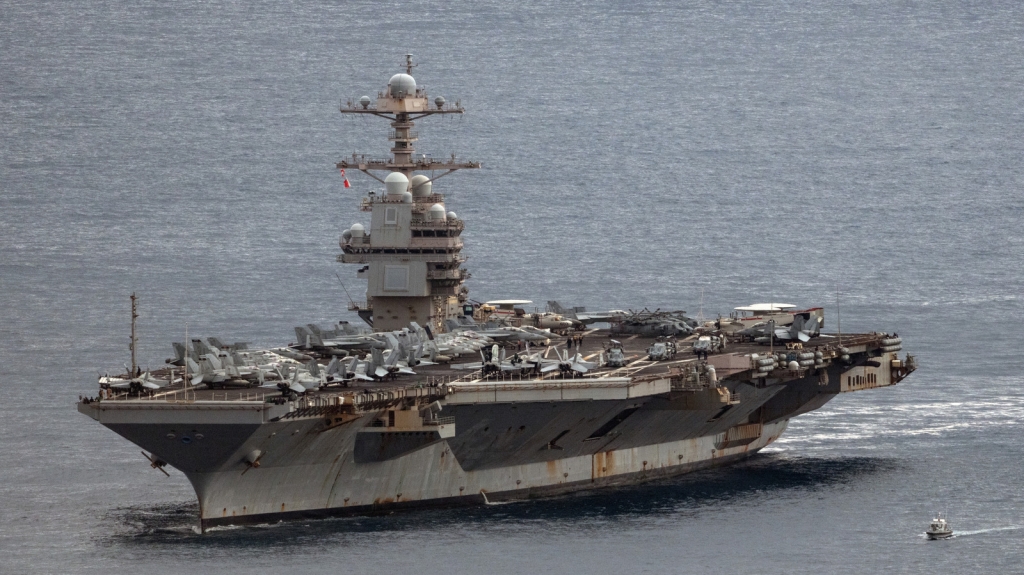
USS Gerald R. Ford Returns to Port After Troubled Deployment: America’s Most Powerful Aircraft Carrier Docks in Greece for Repairs
In a significant development for U.S. naval operations, the USS Gerald R. Ford, America’s most advanced and powerful aircraft carrier, has arrived in Souda Bay, Greece for much-needed repairs and resupply during its ongoing Middle East deployment. This marks a crucial pause for the lead ship of the Gerald R. Ford-class of nuclear-powered aircraft carriers, which has faced numerous challenges during its current mission.
The Gerald R. Ford’s deployment has been anything but smooth sailing. The carrier has encountered multiple issues during its time at sea, including a significant fire in the laundry room that resulted in over 200 crew members suffering smoke inhalation injuries. These incidents, combined with the ongoing tensions with Iran, have created a perfect storm of operational challenges for the massive warship.
Despite these setbacks, U.S. Fleet Forces Command has emphasized that the aircraft carrier remains fully mission capable. A statement from the command clarified, “The port call allows for the ship to undergo efficient assessment, repairs, and resupply. Gerald R. Ford Carrier Strike Group continues its overseas deployment.” This reassurance underscores the Navy’s commitment to maintaining operational readiness even during maintenance periods.
The decision to dock in Souda Bay, Greece, represents a strategic choice for the U.S. Navy. This location provides a secure and well-equipped facility for the carrier to undergo necessary repairs while remaining relatively close to potential areas of operation in the Middle East. The port call also allows for crew rest and resupply, crucial factors in maintaining the long-term effectiveness of the carrier strike group.
The USS Gerald R. Ford is no ordinary aircraft carrier. At 1,106 feet in length and with a displacement of 100,000 tons, it is the largest warship ever constructed. This behemoth of the seas represents the pinnacle of aircraft carrier technology, serving as the first ship of its namesake class and spearheading the replacement of the aging Nimitz-class carriers.
One of the most impressive features of the Gerald R. Ford is its nuclear propulsion system. Equipped with two nuclear reactors, the carrier boasts essentially unlimited range, capable of operating for decades without the need for refueling. This design feature contributes to its planned 50-year service life, making it a long-term investment in U.S. naval power projection.
The Gerald R. Ford-class carriers are designed to carry over 75 aircraft, including a mix of fighter jets, early warning aircraft, and helicopters. This formidable air wing, combined with the carrier’s advanced electronic systems and defensive capabilities, makes it a floating fortress capable of projecting power across vast distances.
As the only Gerald R. Ford-class carrier currently in service, the USS Gerald R. Ford serves as a testbed for new technologies and operational concepts. Its deployment to the Middle East comes at a time of heightened tensions in the region, particularly regarding Iran and the strategic importance of the Strait of Hormuz. The carrier’s presence in these waters serves as a powerful deterrent and a rapid response capability for potential crises.
The decision to continue the carrier’s deployment after repairs in Greece suggests that U.S. military planners anticipate a prolonged period of instability in the region. This approach allows the Navy to maintain a strong presence without the need to rotate other assets, potentially stretching resources thin.
The challenges faced by the USS Gerald R. Ford during its deployment highlight the complexities of modern naval operations. From equipment failures to the ever-present risk of fire on a vessel carrying thousands of sailors and vast quantities of fuel and munitions, the management of such a large and complex warship requires constant vigilance and adaptation.
As the carrier undergoes repairs in Greece, naval engineers and technicians will have the opportunity to address both the immediate issues and conduct thorough assessments of the ship’s overall condition. This period of maintenance is crucial for ensuring the long-term reliability and effectiveness of this cutting-edge vessel.
The return of the USS Gerald R. Ford to port also provides a moment for reflection on the evolving nature of naval warfare and power projection. As potential adversaries develop new technologies and strategies, the U.S. Navy must continually adapt and innovate to maintain its edge. The Gerald R. Ford-class carriers represent a significant investment in this future, incorporating advanced technologies in areas such as electromagnetic aircraft launch systems, advanced arresting gear, and integrated radar systems.
As the carrier strike group resumes its deployment following repairs, all eyes will be on the USS Gerald R. Ford to see how it performs in the challenging environment of the Middle East. Its ability to overcome the issues faced during this deployment and continue its mission will be a testament to the resilience of both the ship and its crew.
The Gerald R. Ford’s journey is far from over. As it continues to serve as the flagship of the U.S. Navy’s future carrier fleet, its performance in real-world operations will shape the development of future vessels and influence naval strategy for years to come. The coming months will be crucial in determining how this technological marvel adapts to the rigors of modern naval warfare and maintains its status as America’s most powerful aircraft carrier.
Tags: USS Gerald R. Ford, aircraft carrier, U.S. Navy, Souda Bay, Greece, Middle East deployment, naval technology, nuclear-powered warship, Gerald R. Ford-class, carrier strike group, U.S. Fleet Forces Command, military operations, naval repairs, strategic port call, U.S. military presence, aircraft carrier technology, naval power projection, Strait of Hormuz, Iran tensions, U.S. naval strategy
Viral Phrases: “America’s Most Powerful Aircraft Carrier,” “Troubled Months At Sea,” “Returns To Port After Troubled Deployment,” “Nuclear-Powered Aircraft Carrier,” “Largest Warship Ever Made,” “Unlimited Range On The Ocean,” “Tip Of The Spear In Aircraft Carrier Technology,” “Fully Mission Capable,” “Strategic Choice For The U.S. Navy,” “Floating Fortress Capable Of Projecting Power,” “Testbed For New Technologies,” “Cutting-Edge Vessel,” “Technological Marvel,” “Resilience Of Both The Ship And Its Crew,” “Flagship Of The U.S. Navy’s Future Carrier Fleet”
,


Leave a Reply
Want to join the discussion?Feel free to contribute!