
America's spymasters terrified Tim Cook with Taiwan invasion timeline
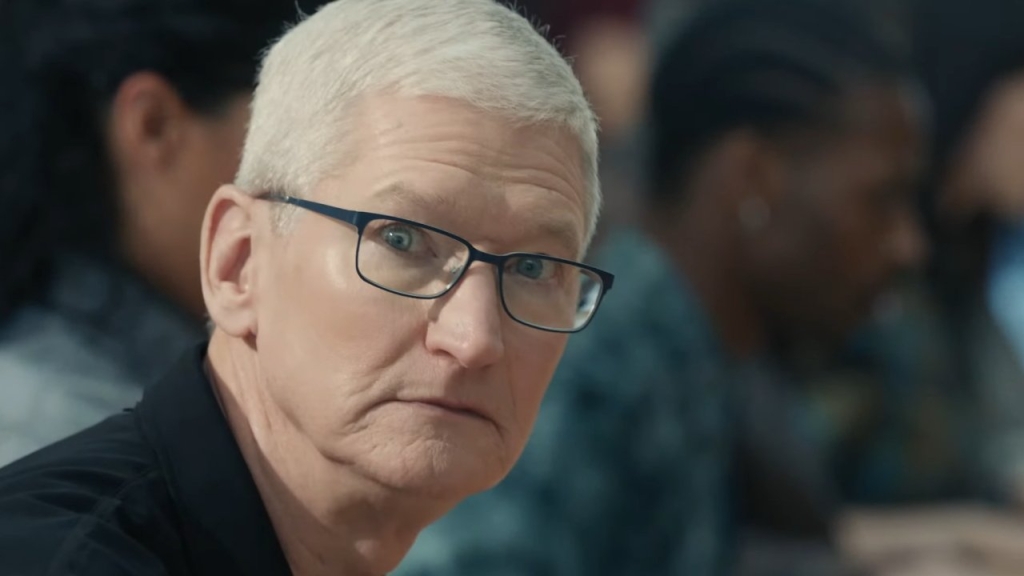
Apple CEO Tim Cook’s Sleepless Nights: The CIA’s Chilling Taiwan Warning and Silicon Valley’s Silent Crisis
In the high-stakes world of global technology, where billion-dollar decisions are made over coffee and supply chains stretch across continents, a classified briefing in July 2023 sent shockwaves through Silicon Valley’s most powerful leaders. According to explosive reporting from The New York Times, Apple CEO Tim Cook emerged from a CIA briefing about Taiwan’s precarious future with a haunting new reality: he would be sleeping “with one eye open” from that moment forward.
The briefing, which brought together tech royalty including Nvidia’s Jensen Huang, AMD’s Lisa Su, and Qualcomm’s Cristiano Amon alongside Cook, delivered a sobering message that has since reshaped the strategic thinking of America’s most influential technology companies. The intelligence community’s assessment was clear and alarming: China would move on Taiwan by 2027, a timeline that suddenly made the island’s critical role in global semiconductor manufacturing not just an economic concern, but a national security emergency.
Taiwan, roughly the size of Maryland, produces approximately 90% of the world’s most advanced semiconductors—the tiny silicon brains that power everything from smartphones to fighter jets. TSMC (Taiwan Semiconductor Manufacturing Company), the crown jewel of Taiwan’s tech sector, manufactures chips for Apple’s entire product line, from iPhones to MacBooks, making the island’s stability inextricably linked to Cupertino’s corporate future.
The gravity of this situation cannot be overstated. When Tim Cook says he’s sleeping with one eye open, he’s not engaging in hyperbole. Apple’s entire product ecosystem—worth over $2 trillion in market capitalization—depends on Taiwan’s continued stability and manufacturing capacity. The iPhone alone generates hundreds of billions in revenue annually, and each device contains multiple advanced chips manufactured exclusively in Taiwan.
Yet four years after receiving this classified warning, the tech industry’s response has been characterized by insiders as “grossly inadequate.” While Apple has made public moves to reshore some manufacturing to the United States, creating jobs and building facilities in states like Texas and Arizona, these efforts represent a drop in the bucket compared to what would be required to replace Taiwan’s manufacturing capacity in a crisis scenario.
The numbers tell a stark story. Building a semiconductor fabrication facility—a “fab”—costs between $10 billion and $20 billion and takes three to five years to construct. TSMC’s Arizona facility, announced with great fanfare, represents just a fraction of the company’s total capacity. Moreover, even if every major tech company simultaneously began building new fabs in the United States, the specialized workforce, equipment, and technical expertise required simply don’t exist at the necessary scale.
What makes this situation particularly nerve-wracking is the domino effect that a Chinese move on Taiwan would trigger. Beyond Apple’s supply chain disruptions, the global economy would face unprecedented chaos. Modern vehicles, which can contain dozens of semiconductors, would see production halted. Medical devices, telecommunications infrastructure, and virtually every piece of modern electronics would face severe shortages.
The tech leaders who received the CIA briefing represent the brain trust of America’s most valuable industry, yet their collective response has been muted. Industry analysts suggest several factors contribute to this apparent paralysis: the astronomical costs of building alternative manufacturing capacity, the technical complexity that makes quick pivots nearly impossible, and perhaps most significantly, a hope that diplomatic solutions will prevent the worst-case scenario from materializing.
However, the clock is ticking. With 2027 approaching rapidly, the gap between the threat and the preparedness is widening rather than closing. The classified nature of the briefing means that public awareness of the severity of this situation remains limited, allowing business to continue as usual even as the foundations of the global tech industry face existential risk.
Apple’s specific vulnerability is particularly acute. Unlike competitors who may have more diversified supply chains or less dependence on cutting-edge chips, Apple’s entire competitive advantage rests on its ability to integrate the most advanced semiconductor technology into elegantly designed products. If Taiwan’s fabs go offline, even temporarily, Apple’s product release cycles, which are planned years in advance, would face catastrophic disruption.
The situation has created what one industry veteran described as “a collective holding of breath” among Silicon Valley’s C-suite executives. While public statements emphasize diversification and resilience, private conversations reveal a growing anxiety that the window for meaningful preparation may have already closed.
As 2027 draws nearer, the tech industry finds itself in an unprecedented position: knowing a potential catastrophe is on the horizon, possessing the resources to prepare, yet moving with insufficient urgency to address what multiple intelligence assessments describe as inevitable. Tim Cook’s sleepless nights may be a harbinger of much larger disruptions to come, not just for Apple, but for the entire digital infrastructure that modern society depends upon.
The classified briefing that shook Silicon Valley’s leaders represents more than just another geopolitical concern—it’s a stark reminder that in our interconnected world, the stability of a small island nation can determine the fate of trillion-dollar companies and the technological progress of nations. As the 2027 deadline approaches, the tech industry’s response—or lack thereof—may well determine whether Cook’s sleepless nights were a prescient warning or a missed opportunity to avert crisis.
tags
TaiwanInvasion #ChipCrisis #AppleSupplyChain #CIAWarning #SiliconValley #TechSecurity #TSMC #NationalSecurity #2027Timeline #SemiconductorShortage #AppleCEO #TimCook #GlobalTechCrisis #ManufacturingRisk #GeopoliticalTension #TechIndustry #SupplyChainVulnerability #AdvancedChips #EconomicSecurity #TechnologyDependence
viral
TechLeadersWarned #SleepWithOneEyeOpen #ClassifiedBriefing #ChinaTaiwanConflict #SiliconValleyAnxiety #ChipManufacturingCrisis #AppleVulnerability #NationalSecurityEmergency #2027Deadline #TechIndustryParalyzed #SupplyChainArmageddon #GlobalSemiconductorRisk #IntelligenceCommunityAlert #CorporateGeopolitics #TechnologyExistentialThreat #ManufacturingInfrastructure #EconomicDominoEffect #DigitalAgeVulnerability #StrategicBlindSpot #TechIndustryWakeUpCall
,
Leave a Reply
Want to join the discussion?Feel free to contribute!