
An FBI ‘Asset’ Helped Run a Dark Web Site That Sold Fentanyl-Laced Drugs for Years
The Dark Web’s Deadly Game: How an FBI Informant’s Actions Sparked a Crisis of Conscience
In a case that exposes the murky ethical waters of digital law enforcement, new court documents reveal how an FBI informant’s decisions on the dark web marketplace Incognito may have directly contributed to fentanyl-related deaths—even as they worked to bring down the site’s creator.
The Price of Digital Justice
When Lin Rui Siang launched Incognito Market in 2020, he created what would become one of the dark web’s most notorious drug marketplaces. But as federal prosecutors prepared to sentence him to decades in prison, a shocking defense emerged: the FBI’s own undercover operative may have made choices that cost lives.
The prosecution’s case against Lin is damning. Court filings describe how he knowingly allowed opioid sales on his platform, fully aware that “encouraging opioids is tantamount to welcoming fentanyl poisonings.” But Lin’s defense team has uncovered something far more troubling—a series of decisions made by the FBI informant that appear to prioritize investigation over immediate harm reduction.
A Mother’s Near-Death Experience
In November 2023, the human cost of these decisions became painfully clear. An Incognito user sent a desperate message to administrators after his mother was hospitalized from fentanyl-laced pills purchased on the platform. “Someone almost died,” he wrote. “Medical bills and the police. Not OK.”
The response? According to defense documents, the FBI informant—who by this point controlled significant portions of the site’s operations—merely processed a refund. No action was taken against the dealer. No warning was issued to other potential victims.
The Pattern of Inaction
This wasn’t an isolated incident. Another user soon reported that the same vendor’s pills had “ALMOST KILLED ME.” Yet the informant allowed this dealer to continue operating, resulting in over a thousand additional transactions before authorities finally intervened.
The defense’s filings paint a picture of systematic failure. Lin had programmed an automated system to flag potential fentanyl listings using keywords like “potent opioids.” But the decision to act on these alerts fell to the informant—who repeatedly ignored them.
The RedLightLabs Tragedy
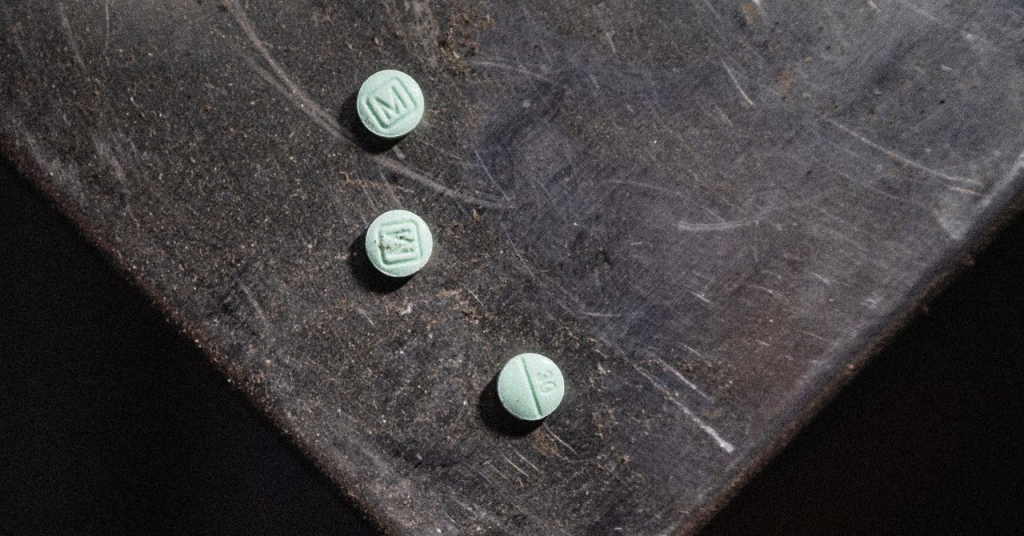
Perhaps most damning is the case of RedLightLabs, a vendor that sold fentanyl-laced pills to five people who later died of overdoses. In September 2022, these same pills were found next to Reed Churchill’s body after his fatal overdose.
Defense documents suggest the FBI informant disregarded an Incognito alert about RedLightLabs less than a week before Churchill’s death. While it remains unclear whether this decision preceded the fatal sale, the timing raises uncomfortable questions about the balance between gathering evidence and preventing deaths.
The Fentanyl Ban Debate
Internal communications reveal an even more troubling dynamic. In the early days of the informant’s infiltration—which Lin’s defense claims the FBI orchestrated from the beginning—discussions arose about Incognito’s fentanyl ban.
According to the defense, the informant engaged with arguments from user forums advocating for “free markets” and the “energy of allowing people to put whatever they want in their bodies.” While prosecutors insist the informant was merely describing this position rather than advocating for it, the conversation led Lin to create a user poll on the fentanyl ban.
Lin then rigged the poll results to maintain the ban, but private messages cited by prosecutors suggest he viewed the entire governance system as “just PR and pretense anyway.”
The Courtroom Confrontation
At Lin’s sentencing hearing, the ethical complexity of the case came to a head. Assistant US Attorney Ryan Finkel defended the FBI’s approach, describing the informant as merely a “moderator” while Lin held the more powerful “administrator” role—a distinction Lin’s defense disputes.
“This was a difficult case to solve, but they solved it,” Finkel told the judge, arguing that the FBI had to maintain a “balance” between harm minimization and detective work. The prosecution maintained that without the informant’s long-term infiltration, Lin would have simply rebuilt the marketplace under a different identity.
The Digital Paper Trail
The prosecution’s case against Lin relies on multiple pieces of evidence: blockchain-tracing clues, the seizure of an Incognito server, and a document found in his email proving his role in managing the market. These technical details underscore the complexity of prosecuting dark web crimes.
The Bigger Picture
This case raises fundamental questions about law enforcement’s role in digital spaces where real-world harm occurs. When does the pursuit of justice become complicity in ongoing crimes? How many preventable deaths are acceptable in the pursuit of a bigger bust?
As dark web marketplaces continue to evolve and law enforcement techniques become more sophisticated, the Lin Rui Siang case may become a landmark study in the ethics of digital undercover operations—a cautionary tale about the human cost of virtual justice.
The final sentence handed down to Lin will close one chapter of this saga, but the questions it raises about the responsibilities of those who police the digital underworld remain painfully unresolved.
tags #fentanyl #darkweb #FBI #undercover #ethics #lawenforcement #digitalcrime #IncognitoMarket #onlineinvestigation #harmreduction #justice #cybercrime #drugoverdose #fentanyldeaths #darkwebmarkets #FBIinformant #digitalethics #onlinepolicing #virtualjustice #darkwebrealworldimpact
viral #FBIallowedfentanylsales #darkwebdeaths #ethicaldilemma #digitalpolicing #onlineharm #fentanyltragedy #virtualcrime #lawenforcementcontroversy #darkwebjustice #onlineethics #fentanylfentanyl #digitalunderworld #cyberpolicing #virtualharm #darkwebinvestigation #fentanylcrisis #onlineaccountability #digitalresponsibility #darkwebreality #virtualconsequences
oracionesvirales #TheFBIletpeopleDie #DarkWebEthicsCrisis #VirtualJusticeRealDeaths #DigitalPolicingGoneWrong #OnlineCrimeRealConsequences #FentanylSalesUnderFBIWatch #DarkWebMoralQuandary #VirtualInvestigationHumanCost #DigitalUndercoverEthicalMinefield #OnlineMarketplaceDeadlyDecisions #DarkWebLawEnforcementControversy #VirtualCrimeRealVictims #DigitalPolicingEthicalDilemma #OnlineInvestigationHumanToll #DarkWebJusticeSystemQuestions #VirtualUndercoverOperation #OnlineMarketplaceFatalOversight #DarkWebLawEnforcementEthics #VirtualCrimeFightingMoralCost
,


Leave a Reply
Want to join the discussion?Feel free to contribute!