
An ice dance duo skated to AI music at the Olympics
AI-Generated Music Takes Center Ice at the Olympics—And Sparks a Cultural Debate
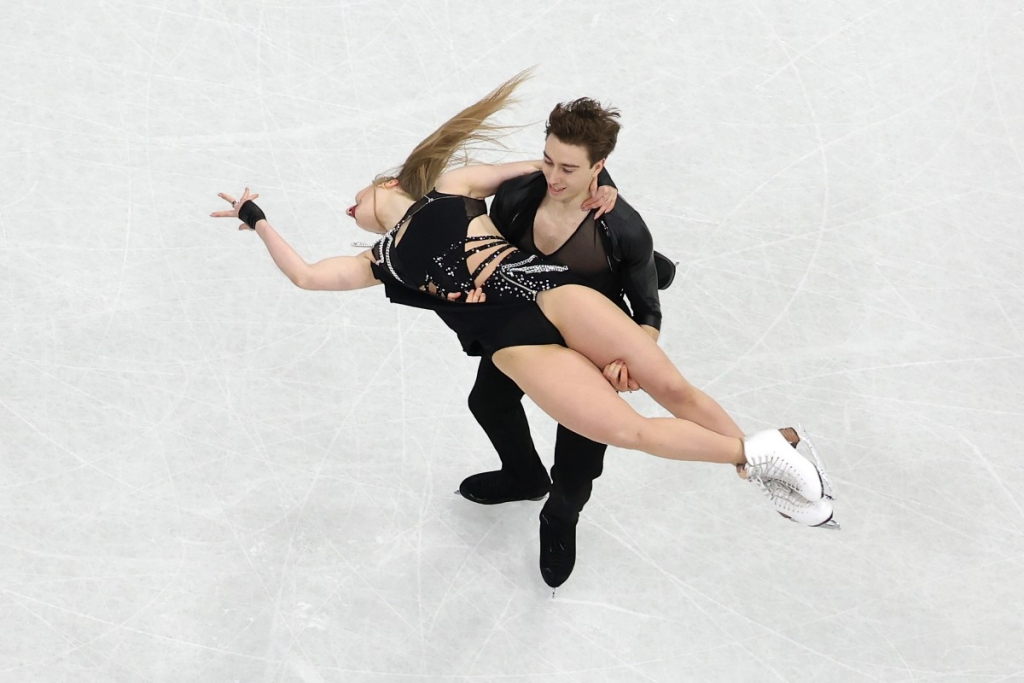
In a stunning Olympic debut on Monday, Czech ice dancers Kateřina Mrázková and Daniel Mrázek captivated audiences with gravity-defying lifts, intricate footwork, and a rhythm dance routine that blended human athleticism with artificial intelligence. The siblings, who have spent a lifetime honing their craft, chose to skate to a soundtrack that was half classic rock and half AI-generated—a choice that has ignited fierce discussion across sports and tech communities alike.
As Daniel Mrázek executed a jaw-dropping cartwheel lift that made the pair appear almost superhuman, NBC commentator remark in passing, “This is AI generated, this first part.” That fleeting comment, almost lost amid the gasps from the crowd, has since become a lightning rod for debate about creativity, authenticity, and the creeping influence of AI in every corner of culture—even the Olympic Games.
The 1990s Rhythm Dance Theme: Nostalgia Meets Neural Networks
The Olympic ice dance competition is divided into two segments: the rhythm dance, which requires skaters to adhere to a specific musical theme, and the free dance, where artistic freedom reigns. This season’s rhythm dance theme was “The Music, Dance Styles, and Feeling of the 1990s”—a nostalgic nod to a decade of grunge, pop, and stadium rock.
While some teams leaned into the era’s iconic sounds—British duo Lilah Fear and Lewis Gibson paid homage to the Spice Girls, and American favorites Madison Chock and Evan Bates performed to a Lenny Kravitz medley—Mrázková and Mrázek took a different route. Their program opened with an AI-generated track styled after 1990s Bon Jovi, before transitioning into AC/DC’s real, human-penned anthem “Thunderstruck.”
Not Their First AI Rodeo: Controversy Trails the Czech Duo
This isn’t the first time the Czech siblings have faced scrutiny for their musical choices. Earlier in the season, their rhythm dance featured an AI-generated song that opened with the line, “Every night we smash a Mercedes-Benz!”—a lyric that fans immediately recognized as a near-verbatim lift from New Radicals’ 1998 hit “You Get What You Give.” The AI track even borrowed other iconic lines from the same song, including “Wake up, kids/We got the dreamer’s disease” and “First we run, and then we laugh ’til we cry.”
The track was titled “One Two”—the exact opening words of “You Get What You Give.” Critics accused the duo of artistic laziness, while others questioned the ethics of using AI to mimic the work of real musicians. Under pressure, the team swapped out the offending lyrics for new AI-generated content that, perhaps unsurprisingly, sounded suspiciously like Bon Jovi’s “Raise Your Hands”—a song that, ironically, isn’t even from the 1990s.
How AI Music Works—And Why It’s Controversial
The technology behind AI-generated music is both impressive and contentious. Large language models (LLMs) are trained on vast libraries of existing songs, often scraped from the internet through legally murky means. When prompted to create a song “in the style of” a particular artist, these models generate the most statistically probable combination of lyrics and melodies—meaning that, more often than not, the output will borrow heavily from the source material.
This has led to a wave of AI “musicians” gaining real-world success. Take Telisha Jones, a 31-year-old poet from Mississippi who used Suno to set her original poetry to AI-generated music under the persona Xania Monet. Her project caught the attention of industry insiders, landing her a reported $3 million record deal—proof that the music industry is, at least for now, enamored with the idea of virtual artists.
Creativity, Authenticity, and the Future of Olympic Art
For many, the use of AI music at the Olympics feels like a betrayal of the spirit of the Games—a celebration of human achievement, creativity, and dedication. Ice dancing, in particular, is supposed to be a showcase of artistry as much as athleticism. By choosing AI-generated music, some argue, Mrázková and Mrázek have outsourced a core element of their artistic expression.
Others counter that the rules don’t prohibit AI music, and that the duo’s technical skill and emotional connection on the ice are what truly matter. Still, the controversy has overshadowed what should have been a triumphant moment for the Czech team—a reminder that in the age of AI, even the most human of endeavors are not immune to technological disruption.
Tags & Viral Phrases
AI-generated music, Olympic ice dancing, Kateřina Mrázková, Daniel Mrázek, 1990s music theme, Bon Jovi AI, AC/DC, New Radicals, You Get What You Give, Lenny Kravitz, Spice Girls, Madison Chock, Evan Bates, Lilah Fear, Lewis Gibson, Suno AI, Xania Monet, Telisha Jones, $3 million record deal, AI music controversy, Olympic creativity, neural networks, large language models, music licensing, Olympic debut, gravity-defying lifts, cartwheel lift, rhythm dance, free dance, International Skating Union, ice dance competition, AI in sports, artistic expression, human achievement, technological disruption, AI music debate, Olympic art, authenticity, creativity, ice dancing, viral Olympic moment, AI music Olympics, Czech ice dancers, AI music backlash, AI-generated lyrics, AI music industry, Olympic Games, ice dance theme, AI music technology, AI music controversy, Olympic ice dancing, AI-generated soundtrack, ice dance music, AI music Olympics, Olympic ice dancing controversy, AI music debate, Olympic creativity, ice dancing artistry, AI music backlash, Olympic Games AI, ice dance competition, AI music technology, Olympic debut, ice dancing viral moment, AI music industry, Olympic art, ice dance music, AI-generated lyrics, Olympic ice dancing, AI music controversy, ice dancing viral moment, AI music Olympics, Olympic creativity, ice dancing artistry, AI music backlash, Olympic Games AI, ice dance competition, AI music technology, Olympic debut, ice dancing viral moment, AI music industry, Olympic art, ice dance music, AI-generated lyrics, Olympic ice dancing, AI music controversy, ice dancing viral moment, AI music Olympics, Olympic creativity, ice dancing artistry, AI music backlash, Olympic Games AI, ice dance competition, AI music technology, Olympic debut, ice dancing viral moment, AI music industry, Olympic art, ice dance music, AI-generated lyrics
,

Leave a Reply
Want to join the discussion?Feel free to contribute!