
Android isn’t ready for desktop PCs if it doesn’t support this basic mouse feature
Google’s Android Desktop Dream Crashes on Day One: The Mouse Problem That Could Sink It All
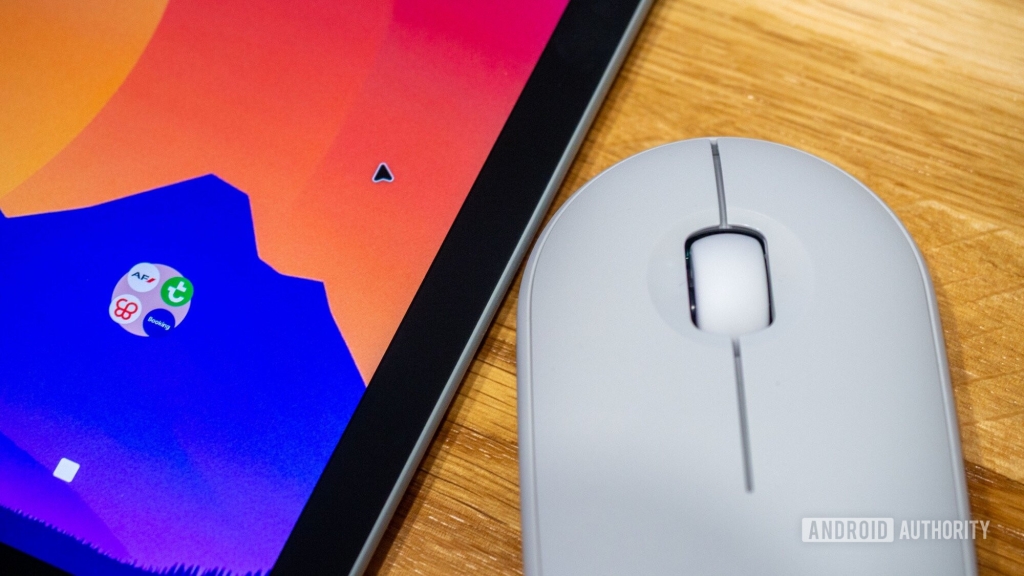
The Pixel Tablet experiment that was supposed to prove Android’s readiness for the desktop has instead exposed a glaring flaw that could torpedo Google’s entire strategy. When I hooked up my $25 Logitech mouse to test the future of Android computing, I hit an immediate wall that left me questioning whether Google understands basic desktop computing at all.
Here’s the thing about Android that everyone seems to have forgotten: the Back button isn’t just a feature, it’s the foundation of how the entire operating system works. Since 2008, Android users have built muscle memory around swiping back a thousand times daily. It’s automatic, subconscious, essential. But connect a mouse, and suddenly that fundamental interaction disappears.
I’m not being dramatic here. This is basic computing 101. You can’t have a desktop operating system where the most basic navigation gesture doesn’t work with the most basic input device. It’s like selling a car without a steering wheel and telling people to just think about turning instead.
The workarounds are pathetic. I tried everything from button remapping apps to gesture settings to third-party launchers. Nothing worked reliably. The only solution was to abandon gesture navigation entirely and revert to the old three-button system, then create a shortcut just to switch between modes. That’s not a feature, that’s a failure.
Google already has the solution sitting in Desktop Mode with those navigation buttons at the bottom. But expecting users to move their mouse all the way down to the corner of the screen for every single back action? That’s not just inconvenient, it’s insulting. It’s like designing a keyboard where you have to reach across the room to hit backspace.
The timing couldn’t be worse. Google is about to launch Aluminium OS, its Android-based desktop operating system, and this mouse problem is a five-alarm fire. They’re essentially betting the farm on a platform that can’t handle the most basic desktop interaction. Meanwhile, Chrome OS has been refined over a decade to handle exactly these scenarios.
This isn’t about missing features or polish. This is about fundamental usability. A desktop OS that doesn’t work with a mouse isn’t a desktop OS at all. It’s a phone interface stretched to a bigger screen, and we’ve already seen how well that works with Windows 8.
The good news? Google still has time to fix this. They need to add mouse gestures for Back navigation, hot corner options, and button mapping that actually works. The bad news? If they don’t, Aluminium OS is dead on arrival, and Android’s desktop ambitions will join Google’s long list of abandoned projects.
This isn’t just about one feature. It’s about whether Google understands what makes desktop computing different from mobile. The answer so far? Not even close.
Android #Google #DesktopOS #MouseSupport #AndroidAuthority #TechNews #PixelTablet #OperatingSystems #UserExperience #TechFailure
The mouse problem that could kill Android on desktops
Google’s desktop dream hits a wall
Basic navigation missing from Android mouse support
Why Android can’t replace Chrome OS yet
The Back button crisis no one’s talking about
Desktop Android is dead on arrival
Google doesn’t understand desktop computing
Mouse support is fundamental, not optional
Android’s fatal flaw for desktop use
The feature that exposes Google’s desktop ignorance
,

Leave a Reply
Want to join the discussion?Feel free to contribute!