
Anduril aims at $60 billion valuation in new funding round
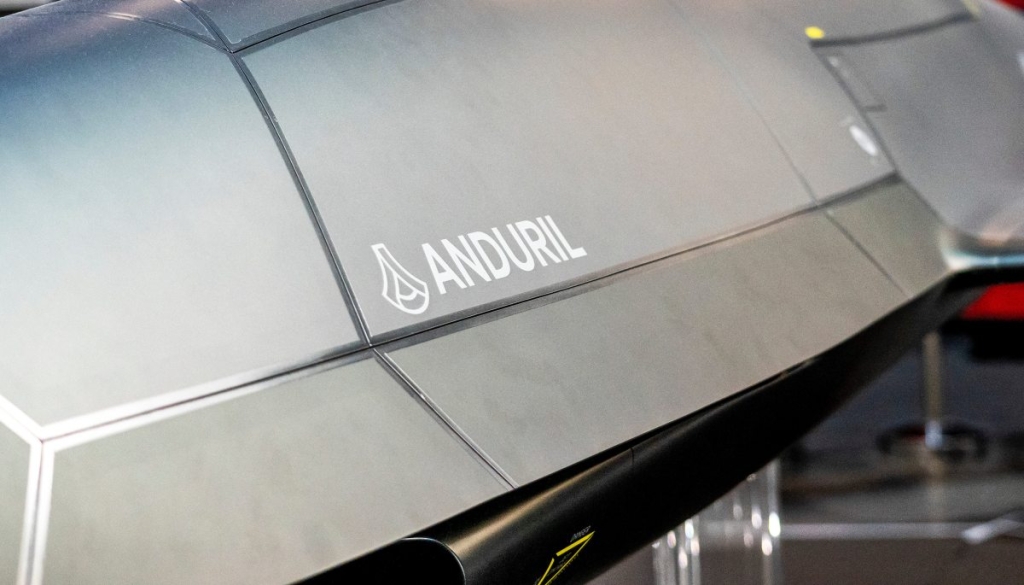
Palmer Luckey’s Anduril Closes $8 Billion Funding Round at $60 Billion Valuation Amid Defense Tech Turmoil
In a blockbuster development that underscores the explosive growth of the defense technology sector, Palmer Luckey’s Anduril Industries has reportedly closed an $8 billion funding round that values the company at a staggering $60 billion. The round, led by Silicon Valley heavyweights Thrive Capital and Andreessen Horowitz, marks a dramatic leap from Anduril’s $30.5 billion valuation just nine months ago, signaling unprecedented investor confidence in the future of autonomous defense systems.
The funding comes at a particularly turbulent moment for the defense tech ecosystem. While Anduril soars to new heights, rival AI defense contractor Anthropic finds itself in the crosshairs of the U.S. government. Following a contract dispute with the Pentagon, Secretary of Defense Pete Hegseth has moved to cancel all government contracts with the company and is threatening to designate Anthropic as a supply-chain risk—a move that could effectively blacklist the company from future government work.
This stark contrast between Anduril’s meteoric rise and Anthropic’s potential downfall highlights the increasingly politicized nature of defense contracting in Washington. While Anthropic’s troubles stem from its perceived ideological stance and contractual disagreements, Anduril has positioned itself as the quintessential American defense innovator—one that aligns closely with the current administration’s priorities.
The timing of this massive funding round is particularly noteworthy. Just last June, Anduril closed a $2.5 billion Series G at a $30 billion valuation, with participation from Founders Fund and Lux Capital. Now, less than a year later, the company has more than doubled its valuation, attracting participation from the same investors alongside new heavyweight backers Thrive Capital and Andreessen Horowitz.
Sources familiar with the matter suggest that this latest round could bring as much as $8 billion in fresh capital to the company, though exact figures remain closely guarded. What’s clear is that investors are betting big on Anduril’s vision of a future where autonomous systems, artificial intelligence, and advanced sensor networks dominate the battlefield.
Anduril’s rapid ascent reflects a broader trend in Silicon Valley’s relationship with the defense sector. After years of reluctance following controversies surrounding Google’s Project Maven and employee protests against military contracts, many tech companies are now rushing back into the defense space—albeit with a new generation of leaders at the helm.
Palmer Luckey, who famously founded Oculus VR before selling it to Facebook and later being pushed out, has emerged as the unlikely standard-bearer for this new wave of defense tech entrepreneurs. His company’s products—ranging from autonomous drones to advanced counter-drone systems to AI-powered surveillance towers—have found favor not just with the U.S. military but with allies around the world.
The $60 billion valuation places Anduril in rarefied air, surpassing many established defense contractors and approaching the valuation territory of major tech companies. To put this in perspective, Anduril is now valued higher than companies like Raytheon Technologies ($58 billion market cap) and significantly higher than Northrop Grumman ($60 billion market cap), though direct comparisons are complicated by the private nature of Anduril’s valuation.
Industry analysts point to several factors driving Anduril’s extraordinary valuation. First is the company’s technological edge in autonomous systems and AI, areas where traditional defense contractors have historically lagged. Second is Luckey’s ability to navigate the complex political landscape of Washington while maintaining credibility in Silicon Valley. Third is the growing global demand for advanced defense technologies as geopolitical tensions rise worldwide.
The funding round also comes as Anduril expands beyond its traditional focus on border security and counter-drone technology. The company has recently announced initiatives in undersea warfare, space-based sensing, and next-generation aircraft, suggesting ambitions to become a full-spectrum defense contractor capable of competing with the largest players in the industry.
Luckey’s public statements in recent months have further cemented Anduril’s position as a company that embraces its role in national defense while maintaining a distinct Silicon Valley ethos. In a recent post on X (formerly Twitter), Luckey articulated his philosophy on the intersection of technology and governance: “At the end of the day, you have to believe that our imperfect constitutional republic is still good enough to run a country without outsourcing the real levers of power to billionaires and corpos and their shadow advisors.”
This statement, while seemingly directed at broader debates about tech industry influence, also serves as a subtle differentiation from companies like Anthropic, which have faced criticism for their approach to government partnerships. Luckey’s framing positions Anduril as a company that serves democratic institutions rather than seeking to influence or replace them.
The success of Anduril’s funding round raises questions about the future of the defense tech sector more broadly. If a company founded less than a decade ago can achieve a $60 billion valuation and raise $8 billion in a single round, what does this mean for established defense contractors? How will traditional players respond to the influx of Silicon Valley capital and talent into their domain?
Some industry observers suggest we may be witnessing the beginning of a fundamental reshaping of the defense industrial base. With companies like Anduril demonstrating that it’s possible to build cutting-edge defense technologies with Silicon Valley speed and agility, traditional contractors may find themselves under increasing pressure to innovate or risk obsolescence.
The geopolitical implications are equally significant. As Anduril expands its international footprint, selling systems to allies and partners around the world, it becomes not just a commercial success story but a tool of American foreign policy. The company’s growth could enhance U.S. technological advantages over strategic competitors like China and Russia, particularly in the critical domain of autonomous systems.
However, Anduril’s rapid rise also raises ethical questions that the defense tech sector will need to grapple with. As autonomous weapons systems become more sophisticated and autonomous, concerns about accountability, escalation, and the role of human judgment in warfare become increasingly pressing. Companies like Anduril will need to navigate these ethical minefields carefully as they continue to push the boundaries of what’s possible in defense technology.
For now, though, the message from investors is clear: they’re all-in on Anduril’s vision of the future of warfare. With $8 billion in fresh capital and a $60 billion valuation, Palmer Luckey’s company is poised to shape not just the defense industry but the broader trajectory of technology’s role in national security for years to come.
As the defense tech sector continues to evolve at breakneck speed, all eyes will be on Anduril to see how it deploys this massive influx of capital and whether it can deliver on the sky-high expectations that now accompany its $60 billion valuation. One thing is certain: the era of Silicon Valley’s uneasy relationship with defense contracting appears to be over, replaced by a new paradigm where cutting-edge technology and national security are increasingly intertwined.
Tags
Anduril Industries, Palmer Luckey, defense technology, autonomous systems, AI military applications, Silicon Valley defense contracting, Thrive Capital, Andreessen Horowitz, Pentagon contracts, national security tech, autonomous weapons, defense startup funding, military AI, border security technology, counter-drone systems, defense industrial base, geopolitical technology competition, autonomous warfare, defense tech valuation, military contracting controversy
Viral Sentences
Anduril’s $60 billion valuation makes it worth more than most traditional defense giants
Palmer Luckey just raised $8 billion while his competitors get blacklisted by the Pentagon
Silicon Valley’s love affair with defense tech hits new heights as Anduril soars
The defense contractor that went from startup to $60B faster than you can say “autonomous drone”
While Anthropic fights with the Pentagon, Anduril cashes checks and takes names
Palmer Luckey’s bold stance on tech and governance sets him apart in the defense world
Anduril’s valuation now eclipses companies that have been in defense for decades
The new face of American defense tech doesn’t look like your grandfather’s defense contractor
$8 billion in fresh capital means Anduril is about to get very, very busy
From virtual reality to real-world warfare, Palmer Luckey’s journey continues
Silicon Valley’s defense awakening is complete—and it’s worth $60 billion
Anduril’s rise signals a fundamental shift in how America builds its military technology
The company that makes border walls smart just got a whole lot smarter financially
Autonomous systems, AI, and $8 billion in funding—Anduril is betting big on the future of warfare
Traditional defense contractors should be very worried about this $60 billion Silicon Valley upstart
,


Leave a Reply
Want to join the discussion?Feel free to contribute!