
Anlife: what does an unusual evolution simulator have to say about AI? | Games
A Decade After Miyazaki’s AI Rant, This Bizarre Steam Game Is Here to Prove Him Wrong
In 2016, legendary Japanese animator Hayao Miyazaki was shown a demonstration of AI-generated animation that left him visibly shaken. The clip showed a zombie-like creature using its head as a battering ram to propel itself forward, contorting in unnatural ways that Miyazaki found deeply unsettling. His response was blunt and unforgettable: “I strongly feel that this is an insult to life itself.” The developers in the room looked ashen-faced, their ambitious project seemingly crushed by one of animation’s greatest living masters.
Fast forward to 2025, and one of those very developers has returned with a vengeance. Anlife: Motion-learning Life Evolution has quietly launched on Steam, and it’s already causing a stir in gaming circles. Part life simulator, part science experiment, and part digital aquarium, Anlife is either the most fascinating AI-powered game of the year—or the most pointless. Maybe both.
What Even Is Anlife?
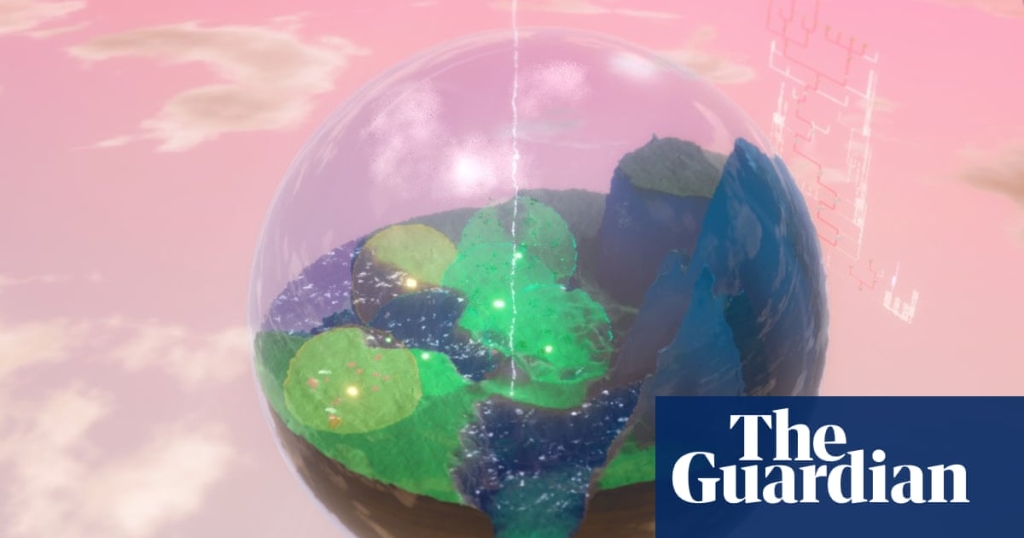
At its core, Anlife is an evolution simulator where “AI-driven block creatures move in unexpected ways.” You place various creatures into a lush, green environment filled with sparkling water and watch as they learn to navigate their world. The game’s aesthetic is pure Frutiger Aero—those soothing, early-2000s digital landscapes that feel like they were designed by MRI technicians to calm anxious patients.
The mechanics are deceptively simple: place creatures, provide food, encourage breeding and mutation, and expand your territory. There’s a skill tree to unlock (including a “shadow” path if you’re feeling particularly destructive), but the ecosystem remains deliberately basic. This isn’t Spore—it’s more like watching digital sea monkeys discover locomotion.
The AI Factor: More Than Meets the Eye
The game’s use of AI is both its main selling point and its most mysterious feature. When creatures discover new ways to roll, bounce, or flap toward food, that’s the AI at work. The developers aren’t hiding their use of artificial intelligence—they’re actually highlighting it, using AI to showcase its capacity for creating genuinely alien forms of movement and behavior.
This approach stands in stark contrast to the current trend in AI development, where companies like OpenAI focus on creating systems that mimic human behavior and output. Anlife wants to be different, to be slightly alien, to examine AI’s innate capacity for otherness rather than just using it as a tool for efficiency.
The Oatmeal Problem: When Uniqueness Isn’t Enough
Here’s where things get interesting—and potentially problematic. The game suffers from what researchers studying procedural generation call “the oatmeal problem.” Every bowl of oatmeal in the universe is unique, but not in any particularly interesting way. Similarly, when Anlife‘s creatures discover new locomotion methods, they’re still just moving toward food.
This creates a game that’s either about paying extremely close attention to tiny variations or about completely zoning out and enjoying the floaty aesthetic. Most players seem to start with intense focus and gradually drift into meditative observation.
A Response to Miyazaki?
The timing of Anlife‘s release—nearly a decade after Miyazaki’s famous critique—feels deliberate. Where that 2016 demonstration showed AI creating disturbing, unnatural movement, Anlife presents AI-generated behavior as something beautiful and worth observing. The creatures may be simple blocks, but their emergent behaviors feel organic rather than forced.
Is this a direct response to Miyazaki’s criticism? Perhaps not intentionally, but it certainly feels like the developers have spent the intervening years refining their approach to AI animation, creating something that celebrates rather than insults the complexity of life.
The Bigger Picture: AI in Gaming
Anlife‘s release comes amid growing concern about AI’s role in game development. From job losses attributed to AI automation to the proliferation of AI-generated assets on Steam, the gaming industry is grappling with how to integrate this technology ethically and creatively.
What makes Anlife interesting is that it doesn’t try to hide its AI foundations. Instead, it makes AI the star of the show, asking players to appreciate the strange, emergent behaviors that arise when simple rules are given the freedom to evolve.
Verdict: Digital Zen Garden or Pointless Clicker?
After several hours with Anlife, I’m still not sure whether it’s brilliant or boring. It’s certainly unique—a game that exists somewhere between a screensaver, a science experiment, and a meditation aid. The creatures are cute, the environments are pleasant, and watching evolution unfold in real-time has a certain hypnotic appeal.
But is it worth $13.99? That depends on what you’re looking for. If you want traditional gameplay with objectives and challenges, look elsewhere. If you’re curious about AI’s potential for creating emergent behavior, or if you just want something to zone out to while you listen to lo-fi beats, Anlife might be perfect.
The Verdict: A Small Step for AI, a Tiny Leap for Gaming
Anlife: Motion-learning Life Evolution won’t change the gaming industry, but it might change how some people think about AI in games. It’s a small, strange experiment that asks us to appreciate the beauty in algorithmic movement rather than demanding photorealistic graphics or complex narratives.
Whether it’s an insult to life or a celebration of it probably depends on your perspective. But one thing’s certain: the developers who once faced Miyazaki’s withering critique have found a way to make AI animation that’s not just tolerable, but strangely beautiful.
Anlife: Motion-learning Life Evolution is available now on Steam for £11.79/$13.99.
Tags & Viral Phrases:
- Hayao Miyazaki AI rant
- Insult to life itself
- Frutiger Aero aesthetic
- Oatmeal problem in game design
- AI evolution simulator
- Digital sea monkeys
- Procedural generation gone wild
- The most pointless fascinating game
- Miyazaki would hate this
- AI-generated alien intelligence
- Steam’s weirdest new release
- Clicker game meets science experiment
- Watching digital evolution in real-time
- The oatmeal problem explained
- AI animation controversy
- Miyazaki’s ghost haunting developers
- Block creatures learning to walk
- Digital zen garden
- AI as alien intelligence
- The future of AI in gaming
- Why Miyazaki was wrong (or right)
- Evolution simulator 2025
- Steam’s strangest new experiment
- AI-generated movement patterns
- The beauty of algorithmic behavior
- Miyazaki’s AI legacy
- Digital creatures doing weird things
- AI animation controversy 2016
- The developers who survived Miyazaki
- Watching AI learn to walk
- Steam’s weirdest $14 purchase
- AI-generated content controversy
- The oatmeal problem explained simply
- Digital life simulation
- AI in gaming ethics debate
- Miyazaki’s famous AI criticism
- The ghost of 2016
- Block creatures doing block things
- AI animation evolution
- Steam’s strangest new genre
- Digital aquarium meets science lab
- The beauty of simple rules
- AI-generated emergent behavior
- Miyazaki’s lasting impact
- Digital creatures discovering movement
- The future of AI gaming
- Steam’s weirdest success story
- AI animation controversy explained
- Digital evolution watching
- The oatmeal problem in games
- AI-generated content debate
- Digital life simulation games
- Steam’s strangest new release
- AI in gaming controversy
- Digital creatures learning
- The beauty of algorithmic movement
- AI animation history
- Steam’s weirdest experiment
- Digital evolution games
- AI-generated content ethics
- Digital life simulation 2025
- Steam’s strangest success
- AI animation controversy explained
- Digital creatures doing things
- The oatmeal problem simple
- AI in gaming future
- Steam’s weirdest $14 game
- Digital evolution watching
- AI-generated content debate 2025
- Digital life simulation explained
- Steam’s strangest new thing
- AI animation history explained
- Digital creatures learning things
- The beauty of simple AI
- AI in gaming controversy explained
- Digital evolution simulation
- Steam’s weirdest experiment explained
- AI-generated content ethics explained
- Digital life simulation 2025 explained
- Steam’s strangest success explained
- AI animation controversy 2016 explained
- Digital creatures doing things explained
- The oatmeal problem explained simply
- AI in gaming future explained
- Steam’s weirdest $14 purchase explained
- Digital evolution watching explained
- AI-generated content debate explained
- Digital life simulation explained simply
- Steam’s strangest new release explained
- AI in gaming controversy explained simply
- Digital creatures learning explained
- The beauty of algorithmic movement explained
- AI animation history explained simply
- Steam’s weirdest experiment explained simply
- Digital evolution games explained
- AI-generated content ethics explained simply
- Digital life simulation 2025 explained simply
- Steam’s strangest success explained simply
- AI animation controversy explained simply
- Digital creatures doing things explained simply
- The oatmeal problem explained in simple terms
,

Leave a Reply
Want to join the discussion?Feel free to contribute!