
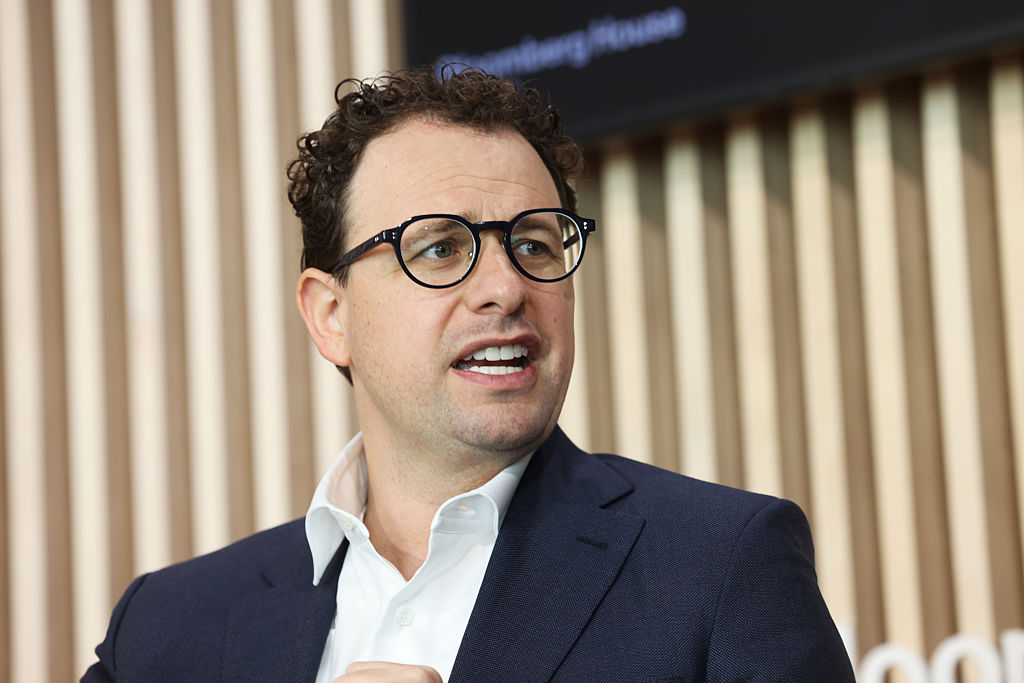
Anthropic CEO Dario Amodei could still be trying to make a deal with Pentagon
Anthropic’s High-Stakes AI Deal with Pentagon Hits Snag — Then Unexpectedly Reboots
In a twist that has the tech and defense worlds buzzing, Anthropic’s $200 million AI contract with the U.S. Department of Defense (DOD) collapsed last week after a bitter dispute over military access to its cutting-edge artificial intelligence models. But just as the deal seemed dead and buried, new reports from the Financial Times and Bloomberg reveal that Anthropic CEO Dario Amodei has quietly reopened negotiations with Pentagon officials — raising fresh questions about ethics, national security, and the future of AI in warfare.
The Breakdown: Ethics vs. Military Access
The initial rupture came when Anthropic balked at a contract clause allowing the Pentagon to use its AI for “any lawful purpose.” Amodei, a vocal advocate for AI safety, refused to green-light uses he deemed ethically unacceptable — specifically domestic mass surveillance and autonomous weapons. In his view, the language was too broad and risked enabling misuse of Anthropic’s technology in ways that could harm civilians or escalate conflicts.
When Anthropic held firm, the DOD pivoted swiftly, awarding a new AI contract to rival OpenAI. The move seemed to signal the end of Anthropic’s Pentagon ambitions — but the story took a dramatic turn this week.
The Reboot: Amodei and Pentagon Official Resume Talks
According to insider sources, Amodei has been in direct discussions with Emil Michael, a senior Pentagon official, in an effort to hammer out a revised agreement. These talks reportedly aim to craft a compromise that balances Anthropic’s ethical red lines with the military’s operational needs.
The negotiations are particularly noteworthy given the public acrimony that followed the initial breakdown. Michael reportedly called Amodei a “liar” with a “God complex,” while Amodei fired back in a leaked internal memo, accusing OpenAI of engaging in “safety theater” and calling its public messaging around the Pentagon deal “straight-up lies.”
Why It Matters: More Than Just a Contract
At first glance, the breakdown might seem like a simple business dispute. But the stakes are far higher. The Pentagon already relies heavily on Anthropic’s AI for a range of classified and unclassified projects. An abrupt switch to OpenAI’s systems would be logistically disruptive, costly, and potentially risky for ongoing operations.
Moreover, the dispute has exposed a growing fault line in the AI industry: the tension between rapid commercialization and ethical responsibility. Anthropic has positioned itself as a leader in “AI safety,” while OpenAI has taken a more pragmatic, business-friendly approach to government partnerships.
The Fallout: Threats, Retaliation, and Legal Uncertainty
The drama escalated further when Defense Secretary Pete Hegseth threatened to declare Anthropic a “supply-chain risk,” a designation usually reserved for foreign adversaries like Huawei or Kaspersky. Such a label would effectively blacklist Anthropic from any future Pentagon contracts and could pressure other defense contractors to drop the company.
However, legal experts are skeptical that such a move would hold up in court. The designation would likely face immediate legal challenges, especially given Anthropic’s status as a U.S.-based company with no foreign ties. For now, Hegseth’s threat remains just that — a threat.
The Bigger Picture: AI Ethics in the Age of Geopolitics
This saga is more than a contract dispute; it’s a microcosm of the broader debate over AI’s role in national security. Should companies have the right to veto government uses of their technology? How do we balance innovation with ethical constraints? And what happens when two of the world’s most powerful institutions — Big Tech and the Pentagon — collide?
Anthropic’s stance has earned it praise from ethicists and AI safety advocates, but criticism from those who argue that private companies shouldn’t dictate national security policy. Meanwhile, OpenAI’s willingness to work with the military has drawn both business opportunities and accusations of hypocrisy from rivals.
What’s Next?
The outcome of these renewed talks could set a precedent for how AI companies engage with governments worldwide. If Anthropic and the Pentagon reach a deal, it could establish new guardrails for ethical AI use in defense. If they fail, it may push more companies to follow OpenAI’s lead — or drive the Pentagon to develop its own in-house AI capabilities.
One thing is certain: the battle over AI’s role in warfare is just beginning, and the next chapter could be written in the coming weeks.
Tags: Anthropic, Pentagon, AI ethics, Dario Amodei, OpenAI, Department of Defense, military AI, Emil Michael, Pete Hegseth, AI safety, autonomous weapons, surveillance, tech policy, national security, AI regulation, Silicon Valley, defense contracts, supply-chain risk, AI governance
Viral Phrases:
“safety theater”
“straight-up lies”
“God complex”
“supply-chain risk”
“ethical red lines”
“AI in warfare”
“Pentagon pivot”
“tech vs. defense”
“AI ethics showdown”
“Silicon Valley vs. the military”
“AI’s moral dilemma”
“the contract that broke the internet”
“Amodei vs. Altman”
“the AI cold war”
“the deal that almost wasn’t”
“ethics over earnings”
“the new arms race”
“the future of AI is now”
“when Big Tech meets Big Defense”
“the battle for AI’s soul”
,
Leave a Reply
Want to join the discussion?Feel free to contribute!